
Last updated October 17, 2026
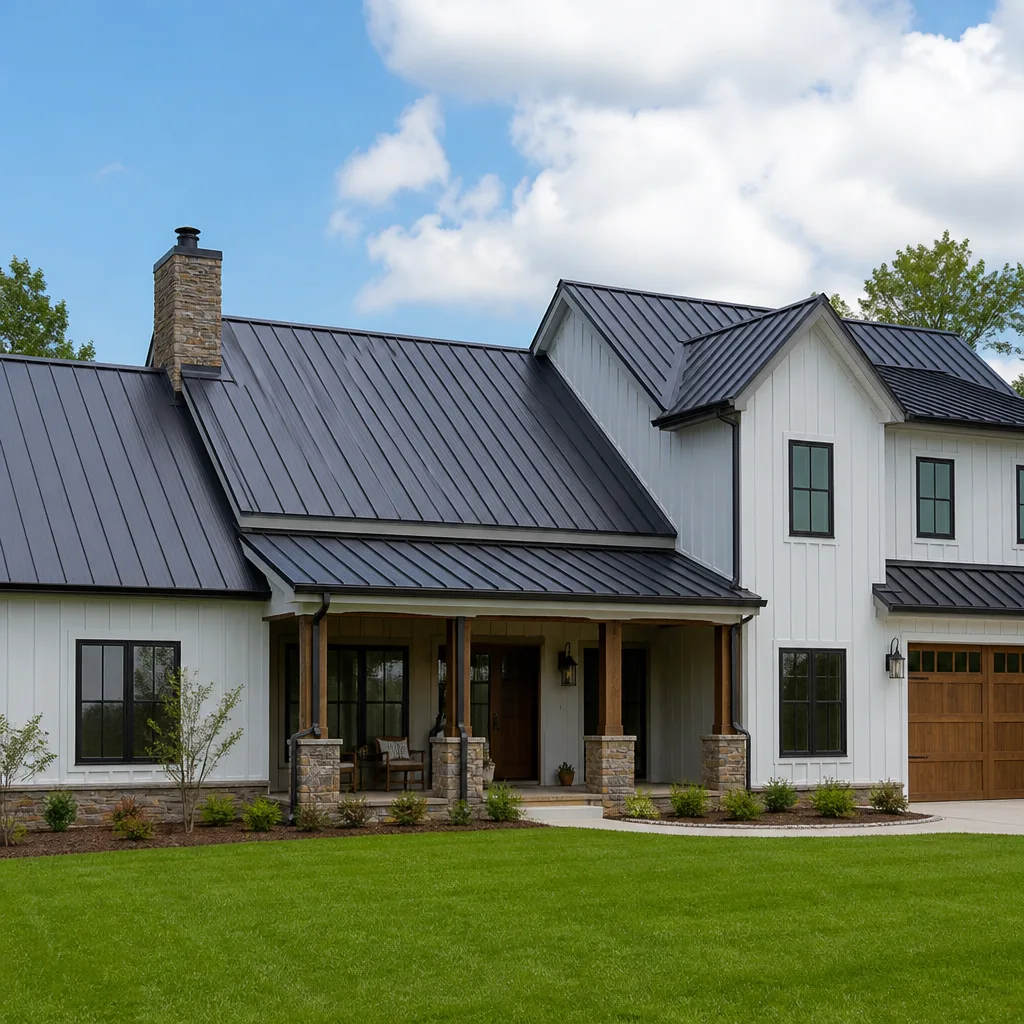 Metal roofing
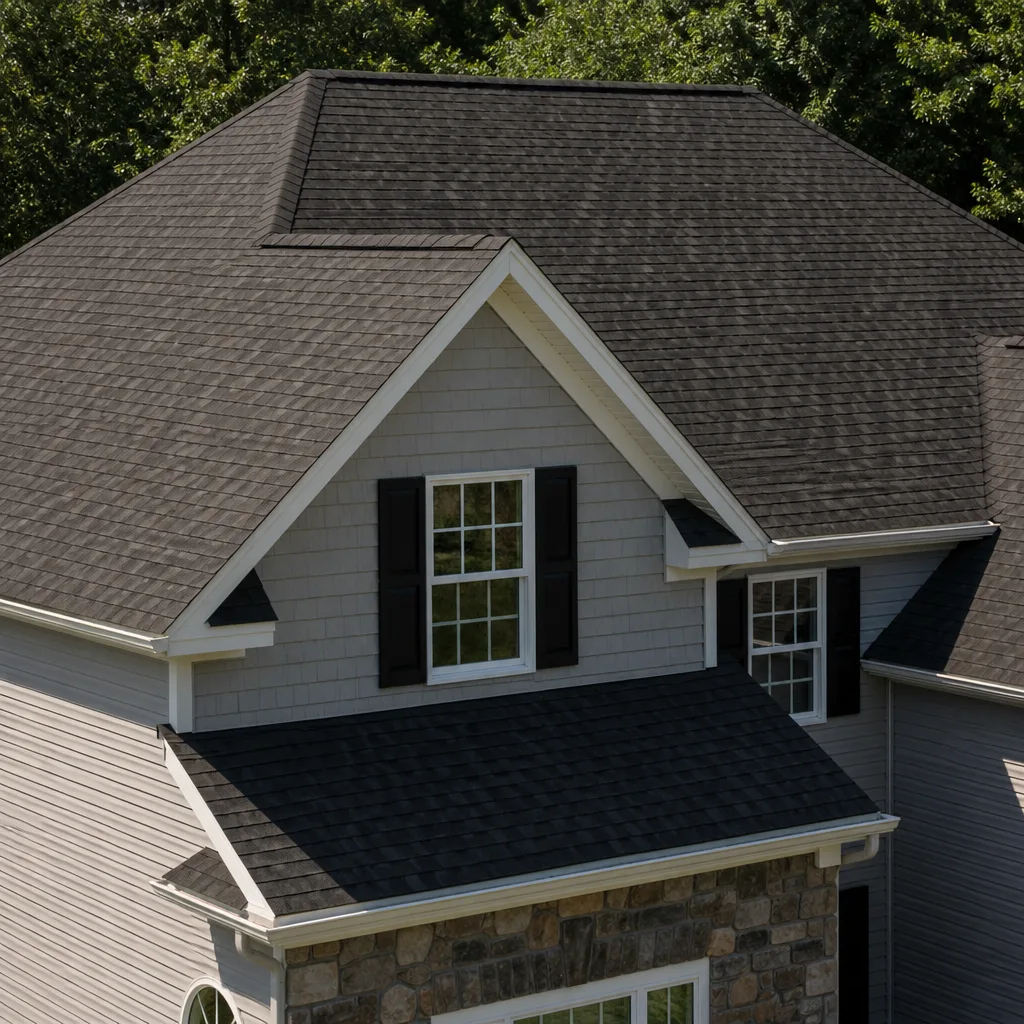 Architectural shingles
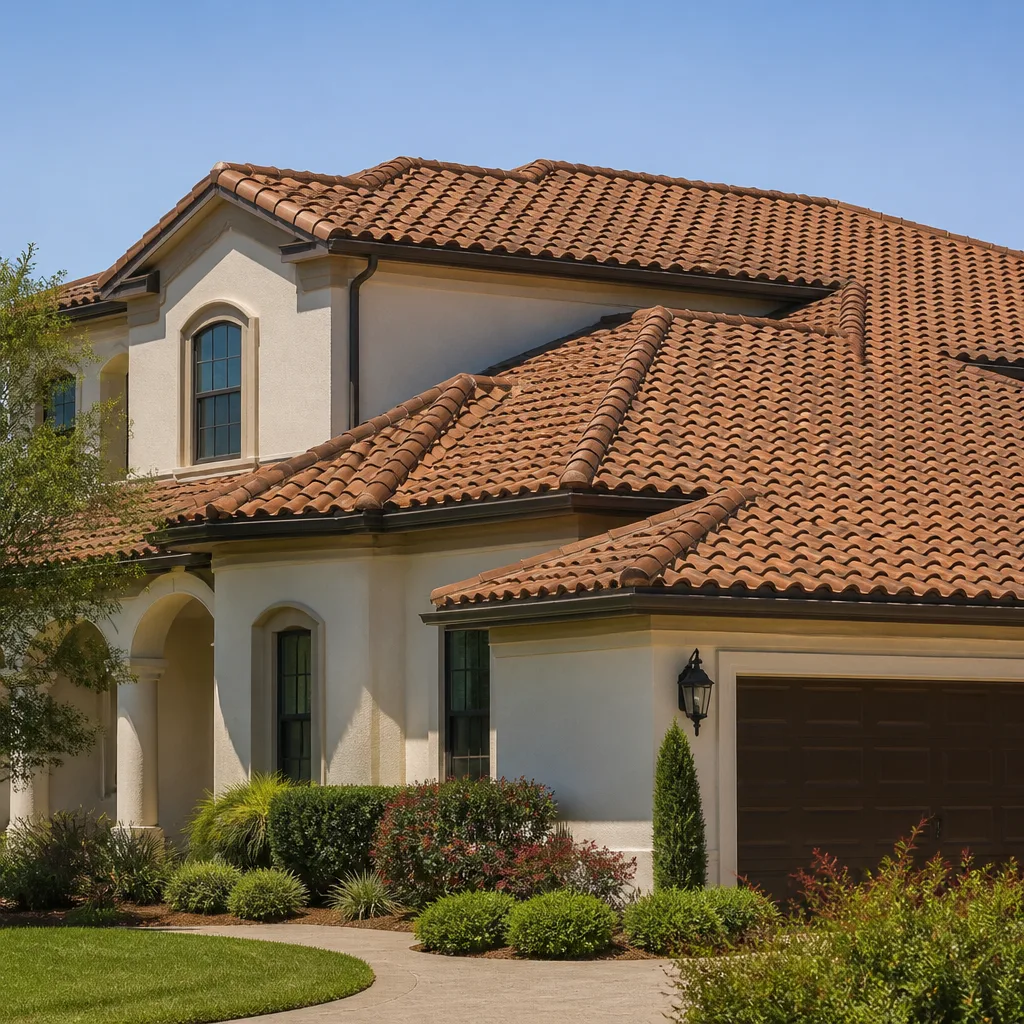 Tile roofing
 GAF
GAF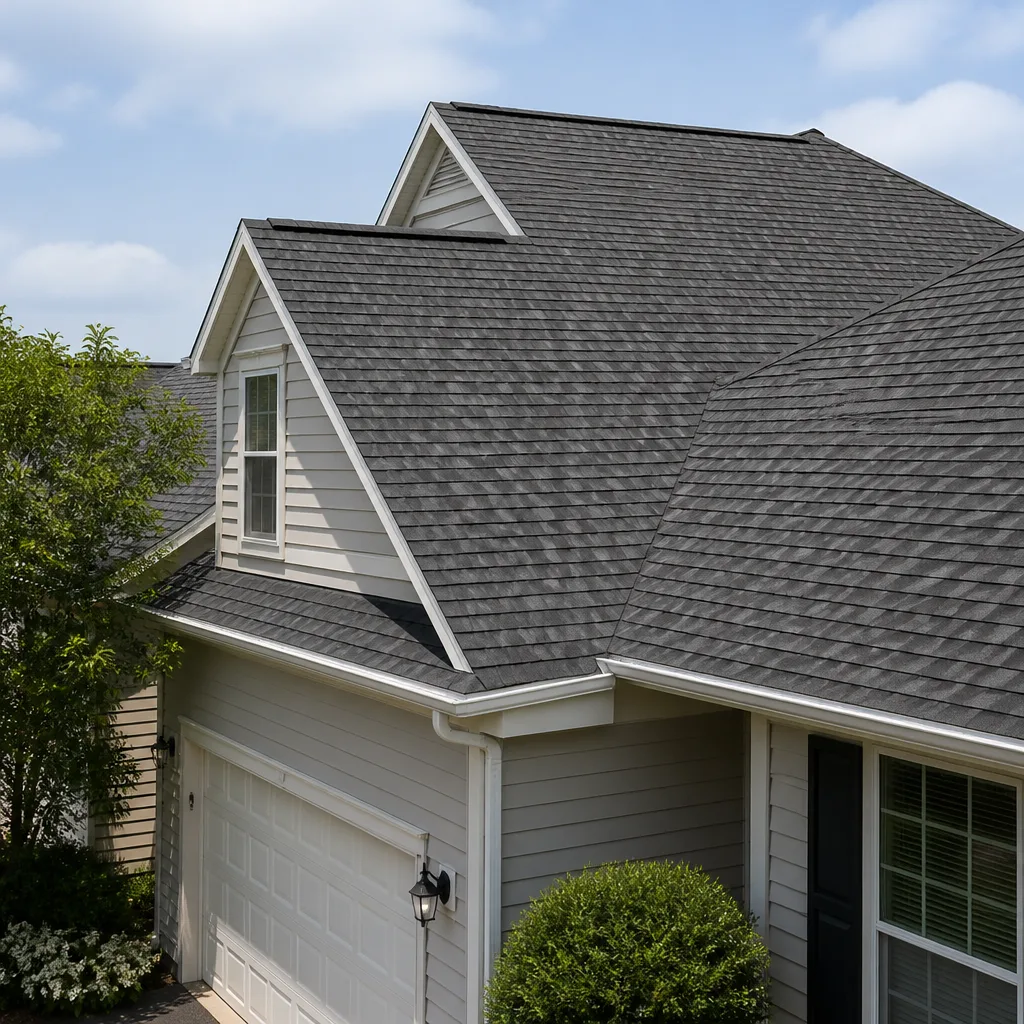 Owens Corning
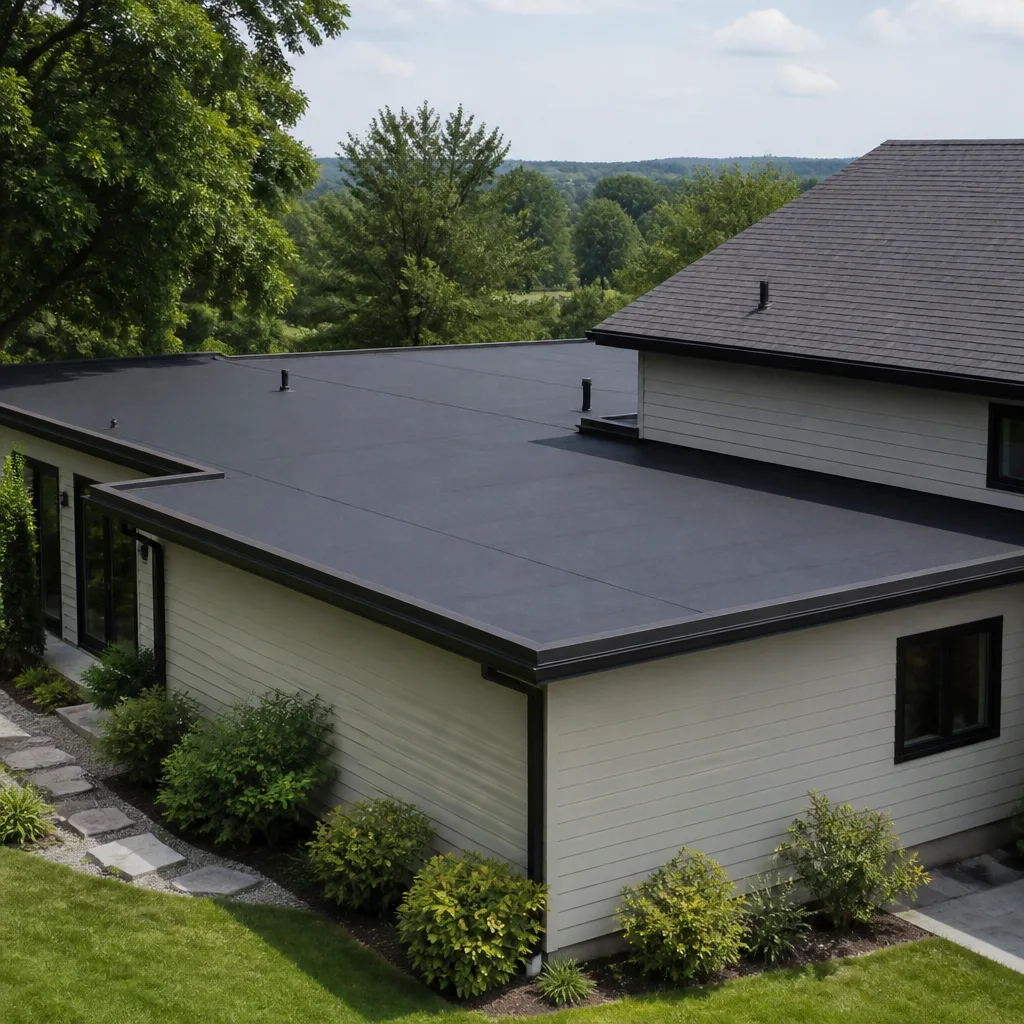 Flat & low-slope
Free roof inspection with deck photos before we talk money - GAF and Owens Corning certified installation
Roofing Cost Breakdown: The Sacramento Homeowner’s Reference for 2026
When two Sacramento roofing quotes differ by $6,000 for what looks like the same job, the lower bid isn’t a bargain. It’s a quote with holes in it. The contractor left out disposal fees, permit costs, or the decking repair allowance that the higher quote included, and you’ll pay for those omissions anyway, just after you’ve already signed. This guide walks through every line item on a Sacramento re-roof so you can compare quotes that are actually comparable, and you can find more guides & resources on our blog. We’ll cover material costs, labor rates, hidden fees, and the specific ways Sacramento’s climate and housing stock affect what you’ll pay in 2026.
Styles & brands we work with
Quick Answer
A full roof replacement in Sacramento in 2026 typically costs between $11,500 and $28,000 for an average 1,800-square-foot single-story home, with most asphalt shingle tear-off and replacement jobs landing between $13,000 and $19,000. Concrete tile runs $22,000 to $38,000, and standing seam metal runs $28,000 to $45,000. Repairs are far less: most asphalt shingle repairs in Sacramento run $350 to $850, while flashing repairs run $450 to $950. The single biggest variable isn’t material choice. It’s whether your quote includes every line item, or whether you’ll discover the omissions as change orders after the crew starts pulling up old shingles.
Table of Contents
- Line-by-Line Cost Breakdown for a Sacramento Re-Roof
- How Material Choice Changes Your Total in Sacramento’s Market
- The Decking Condition Allowance: What It Is and Why 1960 – 1990 Homes Trigger It
- How to Read a Quote for Missing Line Items
- Financing, Insurance, and Payment Schedule Norms in Sacramento
- Sacramento-Specific Factors That Move the Price
- Common Mistakes to Avoid
- When to Call a Professional
- Frequently Asked Questions
- The Bottom Line
Line-by-Line Cost Breakdown for a Sacramento Re-Roof
Here’s what a complete re-roof quote should show, with honest 2026 ranges for an average 1,800-square-foot single-story Sacramento ranch or suburban home. If a quote doesn’t break out these categories, ask for the breakdown. If the contractor won’t provide one, that’s your first signal to call someone else.
Tear-Off and Disposal: $1,800 to $4,500
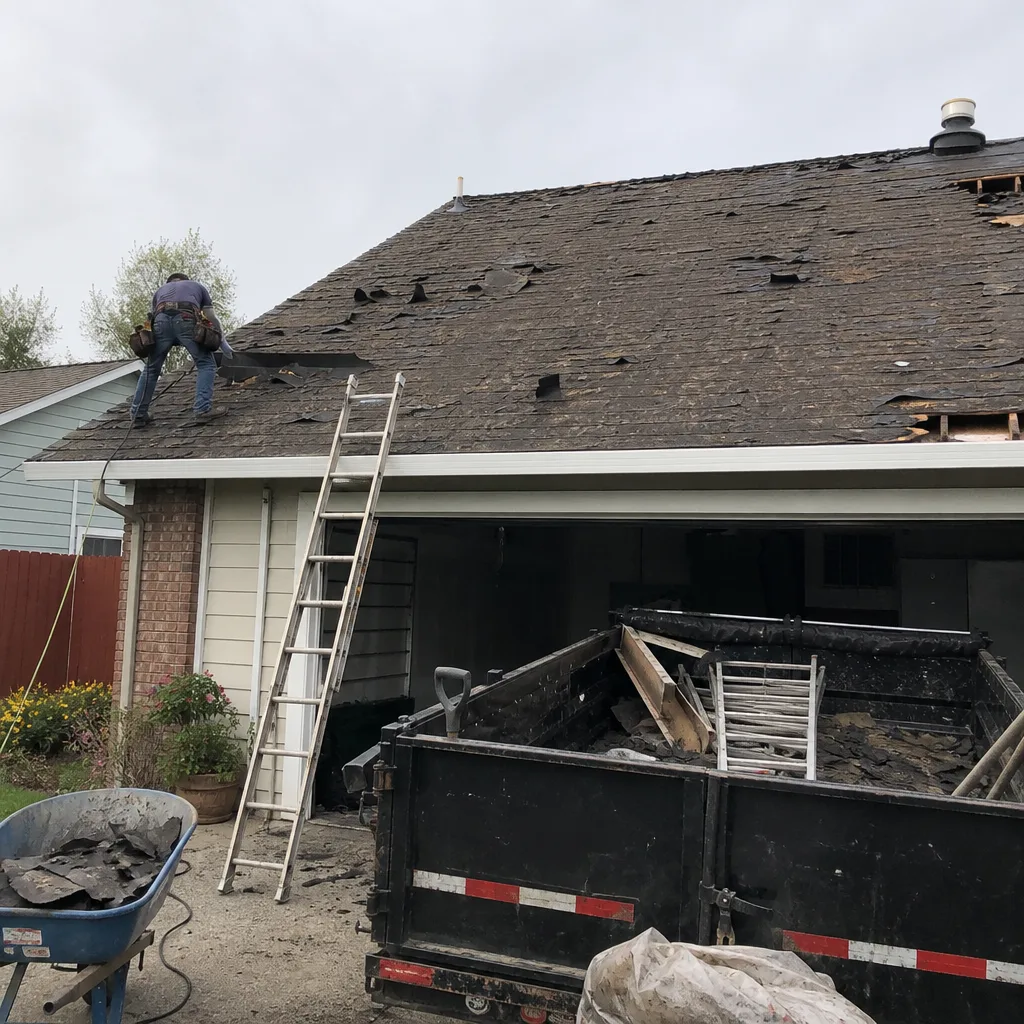
Removing the old roof is the step most homeowners forget to price. A two-person crew needs a full day to strip an average Sacramento roof, and the debris fills a 20-yard dumpster. Sacramento County requires roofing debris to go to a licensed transfer station, and those fees have climbed steadily. In our experience, tear-off on a single-story ranch in neighborhoods like Tahoe Park or Land Park runs $1,500 to $2,500 in labor, plus $300 to $800 in dump fees depending on how many layers are coming off. Two layers of old shingles double the dumpster cost. If your quote lists a suspiciously low tear-off number, the contractor is probably planning to leave the old shingles underneath, which is a code violation in Sacramento and a fast way to shorten the life of your new roof.
Permit and Inspection: $400 to $900
The City of Sacramento requires a building permit for any roof replacement, and the permit includes two inspections: one on the underlayment after the tear-off and one after the final roof is complete. Sacramento’s permit fee schedule for a standard residential re-roof currently runs $250 to $450, and the inspection coordination adds labor time to the job. Some Sacramento-area contractors skip the permit to keep the quote low. That’s a problem on resale: an unpermitted roof shows up on the home’s record, and the next buyer’s inspector will flag it. As a roofing company in Sacramento, we pull permits on every replacement and pass the inspections before we consider the job done. If a quote doesn’t have a permit line, ask why.
Underlayment, Drip Edge, and Flashing: $1,800 to $3,200
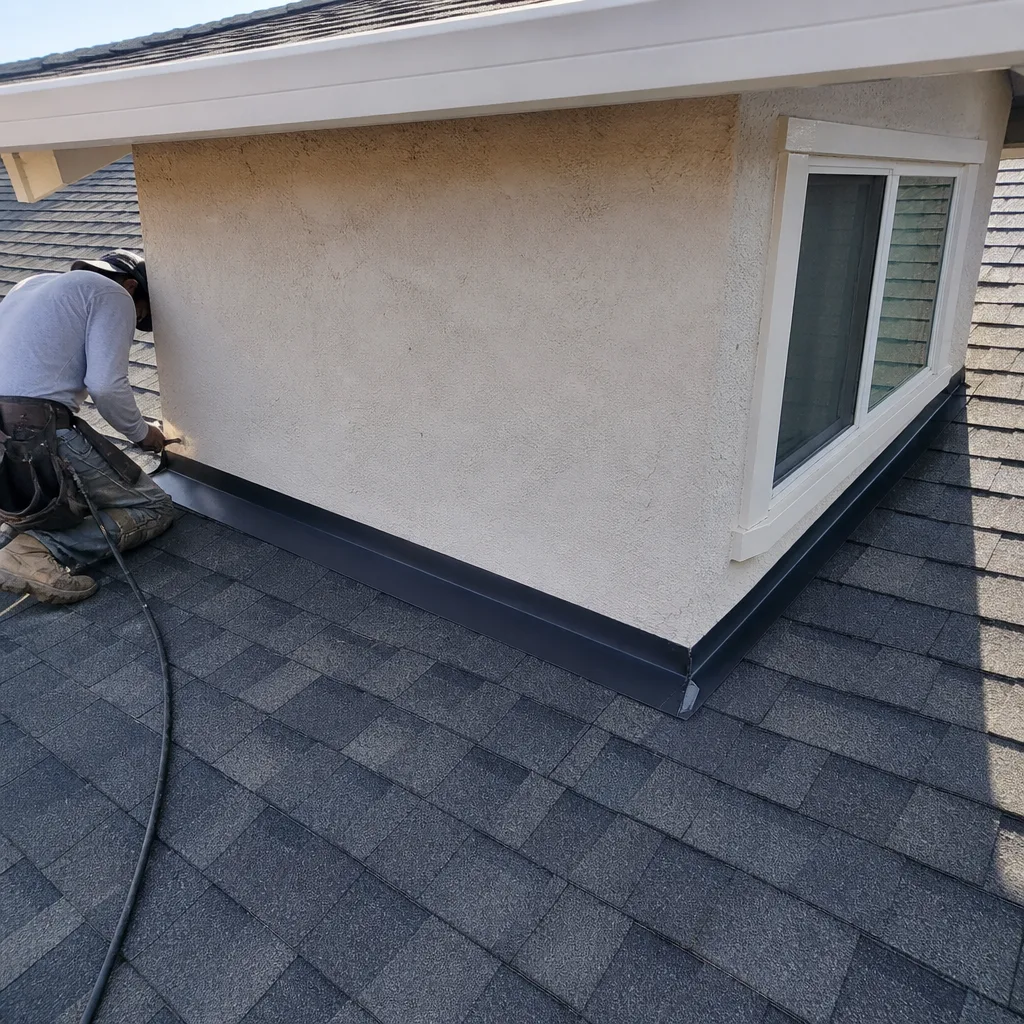
Underlayment is the water-shedding layer that goes between the decking and the shingles. Drip edge is the metal strip along the eaves that directs water into the gutters instead of under the shingle edge. Flashing is the metal that seals the seams where the roof meets chimneys, vents, skylights, and walls. Sacramento building codes now require synthetic underlayment rather than the old felt paper, and we install it by default. Drip edge runs $1.50 to $3.00 per linear foot installed. Flashing replacement on a typical roof with two plumbing vents and a chimney runs $800 to $1,400. These three items together are where low-ball quotes hide their savings. A bid might list “shingles, labor, and materials” and leave you to discover later that the flashing wasn’t included.
Shingle Material: $2,200 to $5,200 for Asphalt
Architectural asphalt shingles, the standard for Sacramento homes, run $35 to $55 per square (a square is 100 square feet of roof area) at wholesale, and an 1,800-square-foot home has roughly 22 to 26 squares of roof surface once pitch and overhang are factored in. That puts the shingle material at $900 to $1,400, plus ridge cap, starter strips, and waste factor. But material quality varies: a 30-year GAF Timberline architectural shingle costs more than a bargain 3-tab, and the difference shows up in wind performance and the 110-degree Sacramento summer sun. This is a place where brand matters. We install from seven manufacturers including GAF, CertainTeed, Owens Corning, IKO, Atlas, Tamko, and Boral, and the product we recommend depends on your roof’s pitch, exposure, and your budget, not on what happens to be in the truck.
Labor: $3,500 to $7,500
Roofing is skilled work, and Sacramento labor rates reflect that. A four-person crew on a tear-off and replace job runs $450 to $700 per hour combined, and a standard re-roof takes two to four days. Steeper pitches slow the crew down and raise the labor number; simple 4/12 ranch roofs are the fastest. The labor line is also where you’ll see the difference between a company that pays its installers properly and one that subs out to the lowest bidder. Background-checked, uniformed technicians cost more per hour, and that shows up in the quote. It also shows up in whether the crew nails your shingles to manufacturer spec or rushes the job to get to the next one.
Decking Repair Allowance: $800 to $3,500 (Often Triggered)
We cover this in depth below, but the short version: the wooden decking under your shingles has been absorbing Sacramento’s dry heat and winter rain for decades, and a contractor can’t see its condition until the old shingles come off. A responsible quote includes a per-sheet allowance for replacing rotted or cracked decking. An irresponsible quote omits it and turns it into a change order. The line item is not a trick. It’s the opposite, and it’s one of the clearest signals that a roofer is giving you the real price upfront.
Warranty Registration and Final Paperwork: $150 to $400
Manufacturer warranties on shingles only take effect when the installer registers the job with the manufacturer. That registration work takes time, and it’s a legitimate line item. After the crew leaves, the workmanship warranty should also be written and delivered. At Tilehurst Roofing Sacramento home, every repair comes with a written guarantee handed to the homeowner before the crew drives away. If your quote doesn’t mention a written workmanship warranty, expect to have that conversation later when the repair fails and the company doesn’t return your calls.
Total for a like-for-like asphalt shingle replacement on a 1,800-square-foot Sacramento home in 2026: $11,500 to $19,000. The range exists because roof pitch, existing layers, decking condition, and material grade all move the total by thousands. A quote that lands below that range isn’t saving you money. It’s leaving something out.
How Material Choice Changes Your Total in Sacramento’s Market
Sacramento’s housing stock splits into three broad roof types: the post-war ranch homes in neighborhoods like Arden-Arcade and Carmichael that wear asphalt shingles, the Mediterranean and Spanish-style homes in East Sacramento and Land Park that call for concrete tile, and a growing number of mid-century and contemporary homes where metal is making sense. Your material choice affects not just the material cost but the labor, the underlayment, and the timeline.
Asphalt Shingles: $11,500 to $19,000 Installed
Asphalt is the default for most Sacramento homes because it’s affordable, fast to install, and performs well in our dry, hot climate. A 30-year architectural shingle from GAF, CertainTeed, or Owens Corning is the workhorse. Labor is fast: a full tear-off and replace takes two to three days. The down side: 110-degree Sacramento summers bake the asphalt over time, and the manufacturer’s stated lifespan shrinks in direct sun. Budget for 18 to 22 real years in full Sacramento exposure.
Concrete Tile: $22,000 to $38,000 Installed
Concrete tile is the original Mediterranean roof, and it’s common in Sacramento because of the city’s Spanish revival and ranch-style architecture. Tile handles the sun beautifully and can last 50 years or more. The catch is the weight: concrete tile runs 900 to 1,100 pounds per square, which means the roof structure often needs reinforcement, and that’s a line item manufacturers don’t mention in their brochures. Labor runs two to three times asphalt because each tile is set individually. If your home was originally built for asphalt and you’re switching to tile, expect to pay for structural upgrades on top of the tile cost.
Standing Seam Metal: $28,000 to $45,000 Installed
Metal is gaining ground in Sacramento because it reflects heat, lasts 40 to 60 years, and meets fire-safety standards that matter in our wildfire-adjacent counties. Standing seam panels run $8 to $14 per square foot installed, and the labor skill level required is high. Metal also requires specialized flashing, clips, and underlayment designed for thermal movement as the panels expand and contract in Sacramento’s hot days and cool nights. It’s the most expensive option, but it’s often the last roof a home ever needs.
The Labor Difference Nobody Advertises
Manufacturers sell materials. Installers sell labor. The labor difference between materials is real and it is the reason two quotes for “the same roof” can be $10,000 apart. Asphalt installs fast. Tile installs slow. Metal installs slowest and most technically. A four-person crew that can re-shingle a Sacramento ranch in three days will need five to seven days for tile and seven to ten for metal. That labor difference is the single largest mover on the total, and it’s why we always show line-item labor separately from materials. If a quote lumps “materials and labor” into one number, ask for it split out. You have a right to know what you’re paying for.
The Decking Condition Allowance: What It Is and Why 1960 – 1990 Homes Trigger It
The decking is the wooden layer under your shingles, usually plywood or oriented strand board nailed to the rafters. It’s what the shingles are nailed into, and it holds the whole roof assembly together. Here’s the part most Sacramento homeowners don’t hear until the old shingles come off: the decking condition is invisible from the outside. You cannot assess it. The contractor cannot assess it. The only way to see the decking is to strip the roof, and by then the crew is already on the clock.
Sacramento homes built between 1960 and 1990 almost always have some decking damage. The reasons are specific to our climate and our building history. Homes from that era were often built with plywood that is now 35 to 60 years old. Sacramento’s summer heat dries the wood and causes it to crack and warp. Our rainy winters, while not torrential, bring enough moisture for rot where flashing has failed or where vents leaked slowly for years. The result: when the old shingles come off, the crew finds sections of decking that won’t hold a nail, or that crumble at the edge.
A responsible quote includes a decking allowance: a per-sheet price, usually $95 to $140 per 4×8 sheet of plywood, with a note that the homeowner will be charged for only the sheets actually replaced. On a 1960s-era home in Sacramento County, we typically replace 6 to 15 sheets. That’s $570 to $2,100 in additional cost that a low-ball quote simply omits. The contractor knows it’s coming. They just don’t tell you until the plywood is exposed and the job has already started.
How do you negotiate this fairly before signing? Here’s the step-by-step:
- Require the allowance in writing. The quote should state the per-sheet price and make clear that you’ll see the damaged sheets yourself before they’re replaced.
- Ask for photo documentation. A reputable crew will photograph the damaged decking and show you the photos before any new plywood goes down.
- Cap the exposure. The contract should state that replacement beyond a certain number of sheets (say 12) requires your written approval before work continues.
- Walk the roof before approval. If the contractor won’t let you or a representative inspect the exposed decking, that’s a red flag. Walk away.
The decking allowance is not a scam. It’s the honest way to handle an unknown condition. A company that includes it on the quote is telling you the truth about what re-roofing a Sacramento home actually costs. A company that omits it is planning to surprise you later.
How to Read a Quote for Missing Line Items
After a decade and a half of looking at Sacramento roofing quotes, we can tell you exactly what the low-ball bids omit. Here are the four line items that commonly disappear from cheap quotes and reappear as change orders once the job is underway:
1. Permit and Inspection Fees
The City of Sacramento requires Roofing Permits, Codes & Inspections in CA: What You Need to Know for roof replacements. The cheapest quotes often exclude them. Once work starts, the contractor tells you the inspector “requires” an upgrade, or simply adds the permit fee to the next invoice. The fix: require the permit as a line item before you sign.
2. Disposal and Debris Removal
Tearing off a roof produces 8 to 12 tons of debris. That debris has to go to a licensed Sacramento transfer station, and the fees are real. A quote that shows “tear-off” without a separate disposal line is likely planning to leave the debris in your driveway and deal with it later, or to bury it in the contract’s fine print. Ask for the disposal line.
3. Decking Repair Allowance
Covered in the previous section, this is the single most common change order on Sacramento re-roofs. If the quote doesn’t mention decking at all, treat it as a $2,000 to $3,500 hole in the bid.
4. Flashing and Drip Edge Replacement
Flashing is the metal around chimneys, vents, and joints. Drip edge is the metal strip along the eaves. Both wear out, and both are code-required in Sacramento. The cheapest quotes reuse old flashing or omit drip edge entirely. New flashing runs $800 to $1,400. Drip edge runs $1.50 to $3.00 per linear foot. If these aren’t on the quote as new items, they’ll be added later at whatever price the contractor decides.
Here’s the practical checklist for comparing two Sacramento quotes that look similar but aren’t:
- Put the two quotes side by side and circle the line items that appear on one but not the other. The quote with fewer lines isn’t cheaper. It’s less complete.
- Ask the cheaper contractor directly: “Does this quote include the permit, disposal, decking allowance, and new flashing?” Get the answer in writing.
- Ask the more expensive contractor the same question. If they already include those items, that’s why they cost more. They’re being honest.
- Choose the complete quote. A re-roof is not the place to learn what a change order is.
At Tilehurst Roofing Sacramento, the written price you get before any work starts includes every line item you’ll need: permit, disposal, decking allowance, flashing, and the final inspection. It’s the Kingswell Way: say the price before the work, show up in the window we gave, and leave the place cleaner than we found it. You’ll know the real total before a single nail is driven.
Financing, Insurance, and Payment Schedule Norms in Sacramento
How you pay for a roof matters almost as much as what you pay. Sacramento has established norms, and knowing them protects you from the worst practices in the trade.
Payment Scheduling: What’s Normal
The standard Sacramento payment schedule for a roof replacement is a deposit of 30% to 50% at signing, with the balance due upon completion and final inspection. A 50% deposit is common and acceptable because the contractor is ordering materials and scheduling a crew. What’s not acceptable: any contract that asks for full payment before work begins. A contractor who requires 100% upfront has no incentive to finish the job correctly, and every Sacramento homeowner who’s been burned by that arrangement wished they’d walked away at the signature line.
Financing Options
Most Sacramento roofing companies offer financing through third-party lenders, and rates in 2026 run 8% to 14% for 5 to 10-year terms depending on credit. Some companies offer 12-month same-as-cash promotions. Read those carefully: if the balance isn’t paid in full by the end of the promotional period, the deferred interest is added back to the loan. A reputable contractor will walk you through the financing documents and answer questions. A less reputable one will push the financing as if the interest doesn’t exist.
Insurance Claims
Sacramento homeowners file roof claims for storm damage, falling branches, and the occasional hail event. The process works like this: the insurance adjuster inspects the damage and issues a scope of loss with a dollar amount. The homeowner then hires a contractor, who works from that scope. The insurance payment usually comes in two parts: the actual cash value (depreciated value of the old roof) up front, and the recoverable depreciation (the difference between ACV and full replacement cost) after the work is done and the final invoice is submitted. In Sacramento, most homeowners don’t know they can negotiate with the adjuster, and a good roofing contractor will meet the adjuster on-site and advocate for the full scope. That’s a normal part of the process here, not a favor.
A word on inspections and payment from insurance: never sign over your insurance check directly to the contractor. You keep control of the funds and pay the contractor per the payment schedule. If a company asks you to assign the check to them, that’s a red flag in any market, including Sacramento.
Sacramento-Specific Factors That Move the Price
Sacramento’s climate and housing stock affect roofing costs in ways that national pricing guides never capture. Here’s what moves the number in our market:
Summer Heat and Material Performance
Sacramento regularly hits 100 degrees or more for weeks at a time between June and September. Asphalt shingles soften in extreme heat, and installers have to work around the hottest hours. The heat also shortens the practical life of lower-grade asphalt. We recommend architectural shingles with a high solar reflectance rating for Sacramento re-roofs, and the material cost difference is real but worth it: the roof lasts longer and keeps the attic cooler. For year-round maintenance tips, see our Seasonal Roofing Care for Sacramento: Year-Round Homeowner’s Guide.
Winter Rain and the Leak Window
Sacramento’s rainy season runs November through March, and it’s the busiest season for roof repair in Sacramento. The rain exposes failing flashing and worn shingle seals. Repairs during this window cost more because demand is high and dry days are scarce. If you’re planning a roof replacement, the spring and early summer months offer more scheduling flexibility and sometimes better pricing.
The 1960 – 1990 Housing Stock
Much of Sacramento’s suburban housing stock was built between 1960 and 1990, and those homes have specific roof characteristics: plywood decking, standard asphalt shingles, and original flashing that’s now 35 to 60 years old. This housing stock is exactly why the decking allowance matters so much in Sacramento. We covered the mechanics above, but it’s worth saying plainly: if your home was built in this era and the quote doesn’t include a decking allowance, the contractor is running a two-price strategy. You’ll see the real price after the tear-off.
Wildfire Adjacency and Fire Codes
Portions of Sacramento County sit in wildfire-adjacent zones, and the county has adopted fire-resistant building codes for those areas. If your home is in one of these zones, your re-roof may require a Class A fire-rated assembly, which affects both shingle choice and underlayment. A contractor who doesn’t check your address against the fire zone map is a contractor who doesn’t know Sacramento building code. Ask about it.
Common Mistakes to Avoid
- Choosing the lowest bid without reading the line items. In Sacramento, the lowest quote routinely leaves out the permit, disposal, and decking allowance. You pay those costs later as change orders, and by then you’ve lost your negotiating leverage.
- Skipping the permit to save a few hundred dollars. An unpermitted roof shows up on resale and will cost you thousands when the buyer’s inspector flags it. Sacramento permits are the cheapest insurance you’ll buy on a re-roof.
- Paying everything upfront. A 30% to 50% deposit is normal. Full payment before work starts is not, and it’s how Sacramento homeowners lose their leverage when the job goes wrong.
- Assuming the manufacturer’s warranty is enough. The shingle manufacturer covers the shingles, not the installation. If the nails are driven wrong, the manufacturer will deny the claim and the installer’s workmanship warranty is the only thing protecting you. Make sure it’s written.
- Reusing old flashing and drip edge to save money. Flashing is what keeps water out of the roof’s seams, and old flashing is exactly where 1960 – 1990 Sacramento homes leak. Reusing it is false economy.
- Worrying about the decking allowance instead of requiring it. The allowance isn’t a surprise charge; it’s the honest way to price an unknown condition. Not having one is how you get surprised.
- Picking a material based only on the upfront price. Asphalt is cheapest to install, but on a Sacramento roof with full sun exposure, a lower-grade shingle may need replacement in 15 years. Concrete tile and metal cost more now and less over 40 years.
When to Call a Professional
A roof repair is not a weekend project. If you see water stains on the ceiling, shingles in the yard after a wind storm, or daylight coming through the attic boards, call a professional before the damage spreads. Roof leaks move fast into decking, insulation, and drywall, and the repair bill compounds with every Sacramento rain. If your roof is over 20 years old and you’re noticing granule loss in the gutters or curling shingle edges, it’s time for an inspection before a small repair becomes a full replacement-see our Roofing Warning Signs: A Sacramento Homeowner’s Reference Guide for what to watch for. Safety matters here too: roofs are dangerous places, and falls are the leading cause of construction fatalities. Climbing a ladder to inspect a roof without training and fall protection isn’t worth the risk. Tilehurst Roofing Sacramento offers free estimates in Sacramento, and we’re happy to inspect the roof and give you a written price before any work starts. Call (279) 348-3049.
Frequently Asked Questions
A new asphalt shingle roof on an average 1,800-square-foot Sacramento home runs $11,500 to $19,000 in 2026, depending on pitch, existing layers, and decking condition. Concrete tile runs $22,000 to $38,000, and standing seam metal runs $28,000 to $45,000. For an exact quote on your roof, call (279) 348-3049. Estimates are free, and you’ll have a written line-item price before any work starts.
The gap almost always comes down to missing line items. The cheaper quote has likely omitted the permit, disposal fees, decking allowance, or new flashing, and those costs will come back as change orders once work is underway. The more expensive quote includes them. Compare the two line by line before deciding.
Yes. The City of Sacramento requires a building permit for roof replacement, including two inspections: one after the underlayment is installed and one after the roof is complete. A contractor who offers to skip the permit is saving you money now and creating a resale problem later.
A standard asphalt shingle tear-off and replacement on an 1,800-square-foot Sacramento home takes two to three days for the tear-off and installation, plus time for inspections. Concrete tile adds several days due to the slower installation process. Weather windows in Sacramento’s rainy season can extend the timeline.
Three quotes are standard practice, but the goal isn’t to pick the cheapest. Get three quotes and compare them line by line for the items that are present and absent. A quote that’s $4,000 lower but missing the decking allowance and disposal line will cost you more than the higher quote once the real work begins.
Insurance covers roof replacement when the damage is caused by a covered event like a fallen tree, hail, or wind damage, not by age or normal wear. Sacramento homeowners file storm damage claims regularly, and the payout typically comes in two parts: actual cash value up front and recoverable depreciation after the work is complete. Call (279) 348-3049 if you’re working through a claim, and we’ll help you navigate the adjuster’s scope.
The Bottom Line
Sacramento roofing costs in 2026 range from $11,500 to $45,000 depending on material, pitch, and your home’s age, but the number that matters isn’t the bottom line on the quote. It’s whether that number is real. A complete quote shows every line item: tear-off, disposal, permit, underlayment, flashing, decking allowance, material, labor, and warranty. A quote that’s missing any of those isn’t cheaper. It’s hiding costs you’ll pay later. Read the line items. Ask the hard questions. Get the price in writing before work starts. If you want a written quote that includes everything, call Tilehurst Roofing Sacramento at (279) 348-3049. The estimate is free, the price is real, and the guarantee is in writing before the crew drives away.
Written by Greg Holloway, Owner at Tilehurst Roofing Sacramento, serving Sacramento since 2000.
See the difference
 Before
 After
After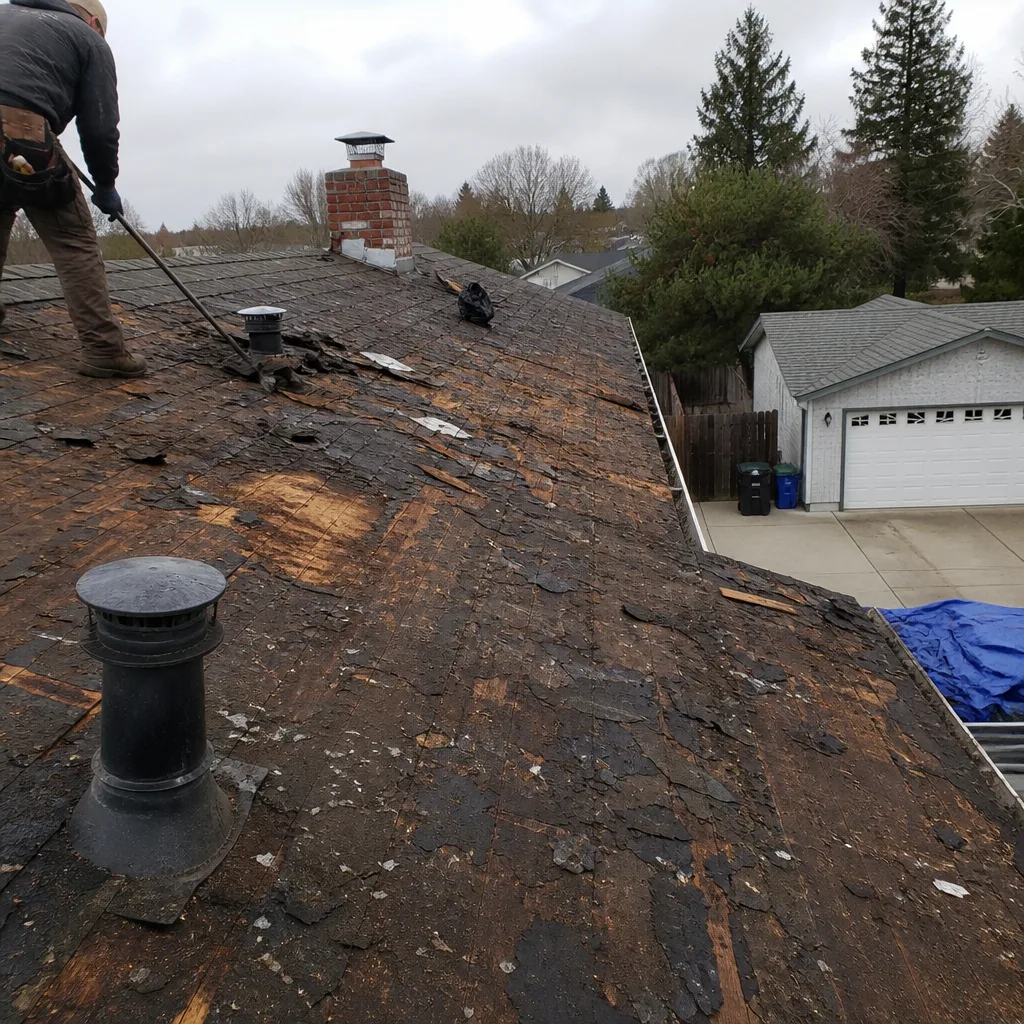 Before
 After
After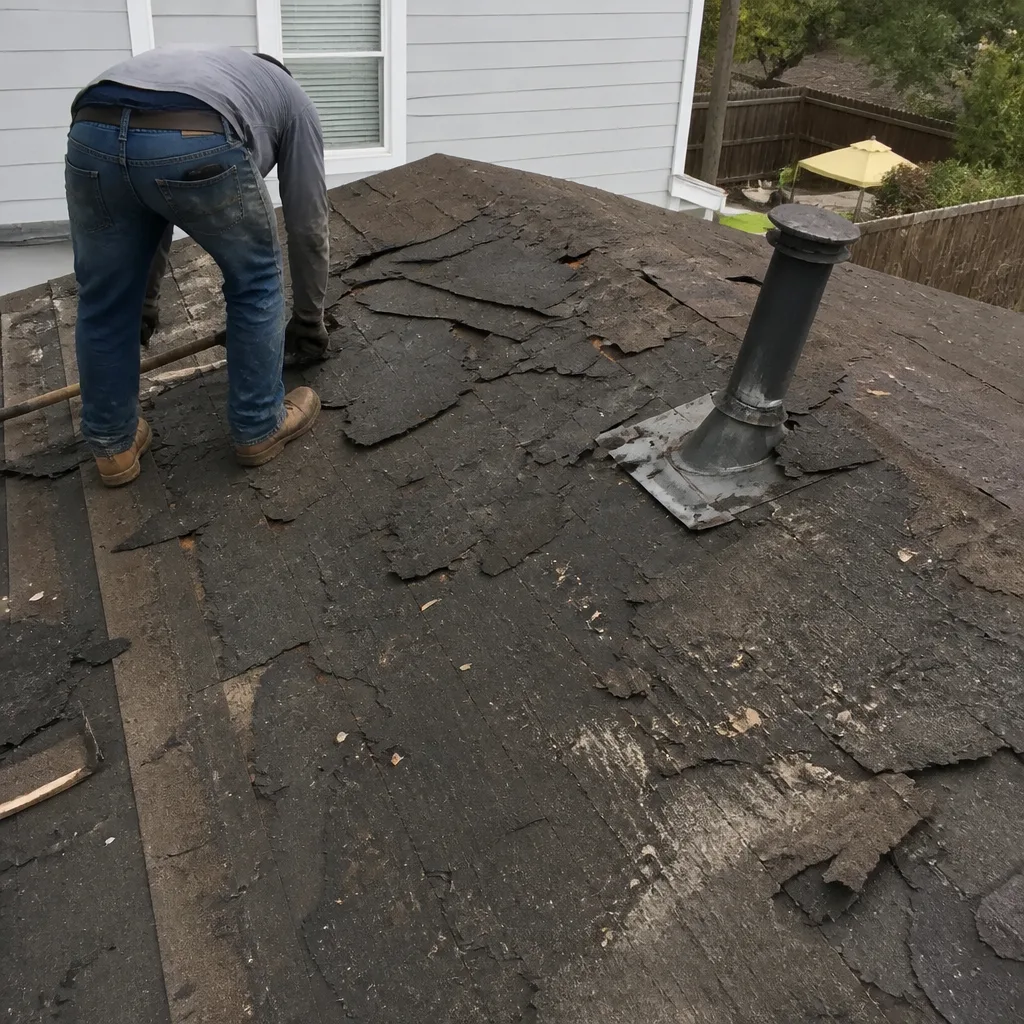 Before
 After
After