
Last updated October 17, 2026
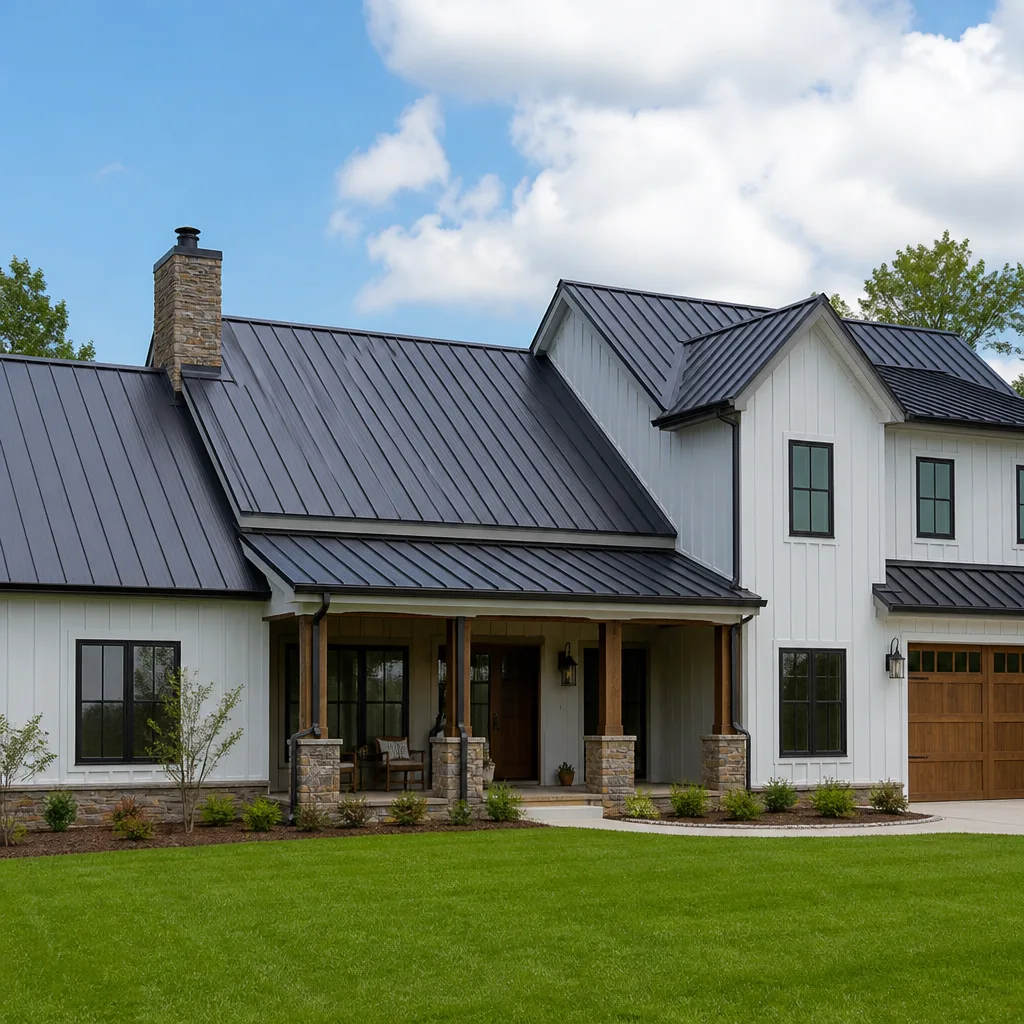 Metal roofing
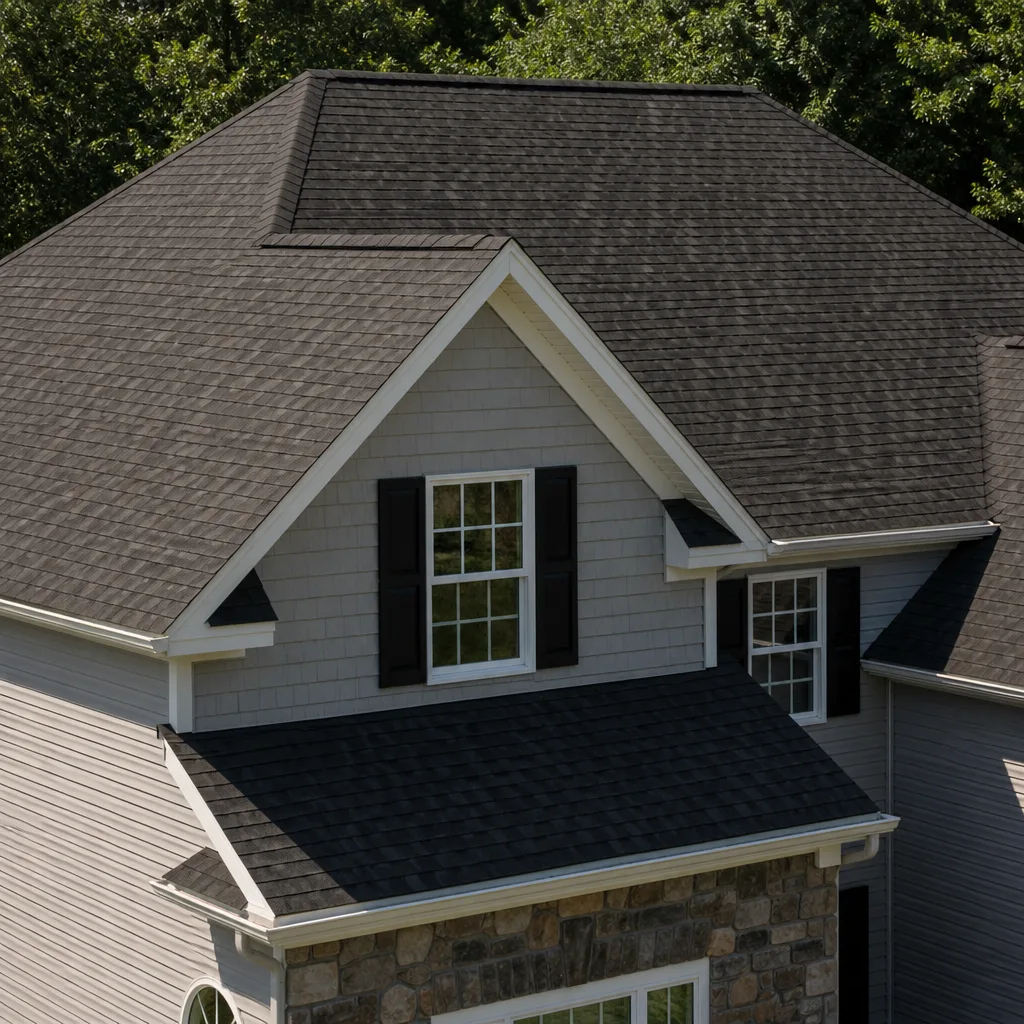 Architectural shingles
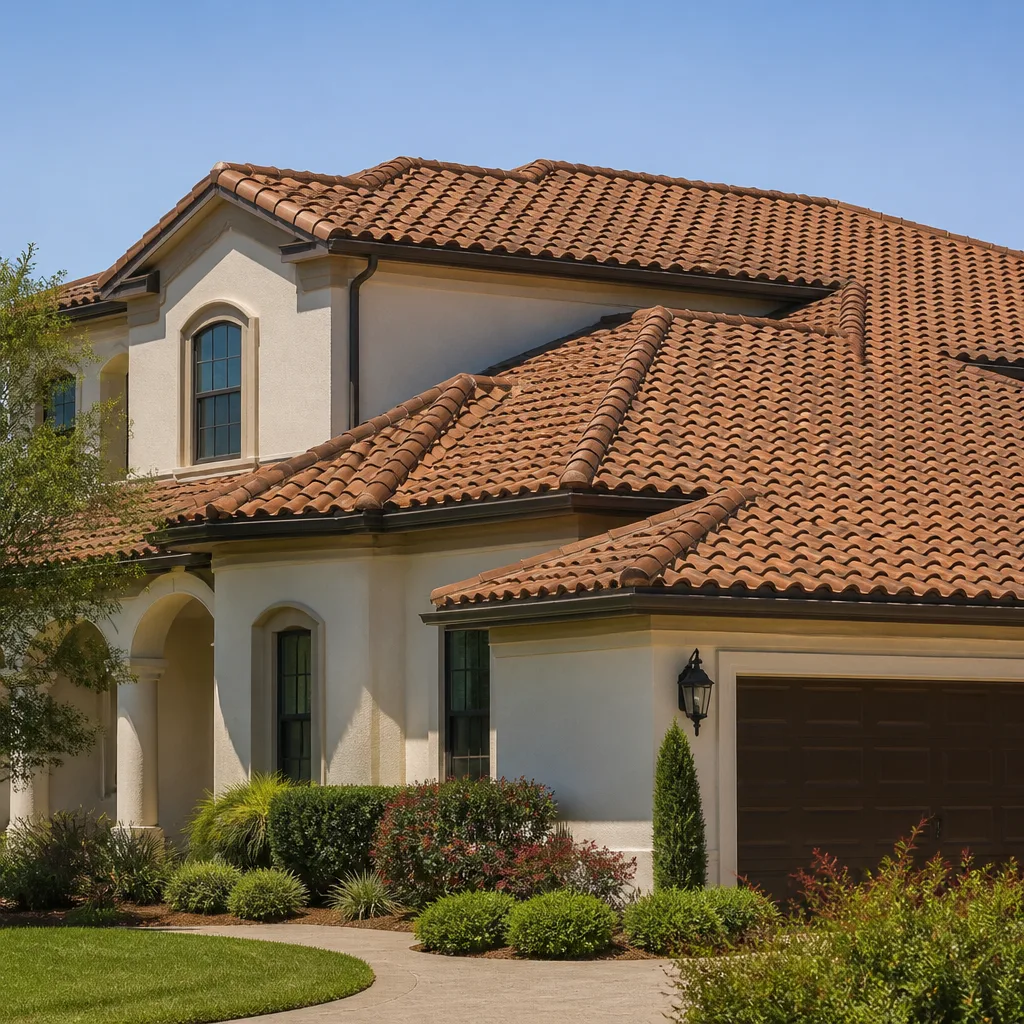 Tile roofing
 GAF
GAF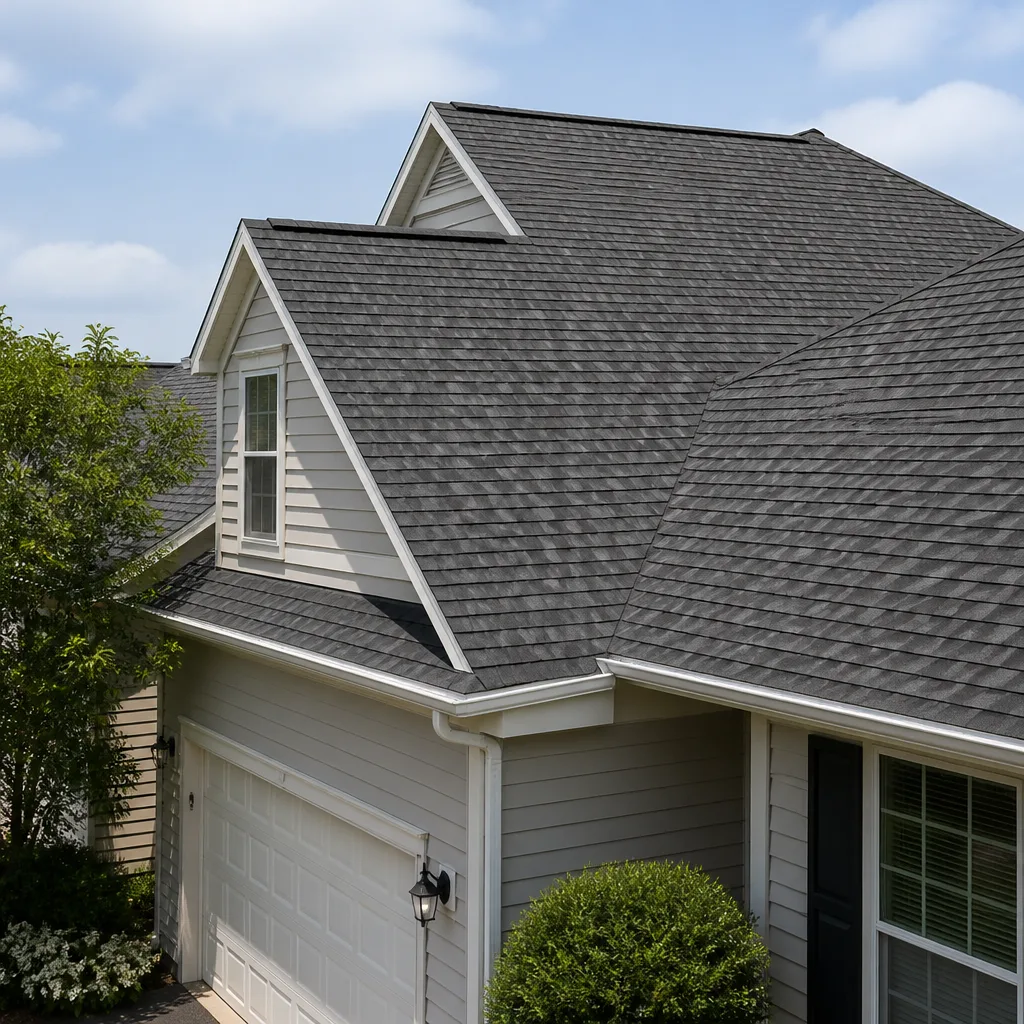 Owens Corning
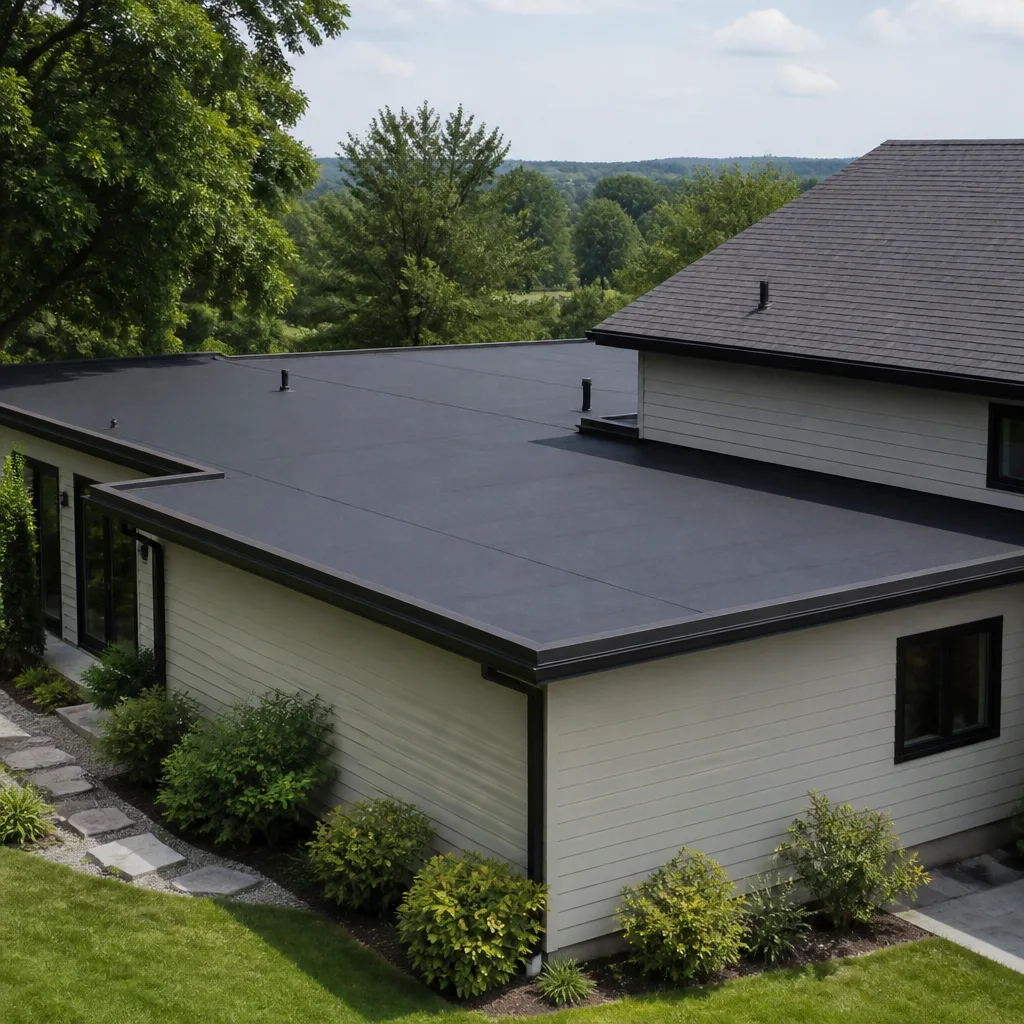 Flat & low-slope
Free roof inspection with deck photos before we talk money - GAF and Owens Corning certified installation
Roofing Permits, Codes & Inspections in CA: What You Need to Know
Here’s a number that should make every homeowner pause: a Sacramento homeowner who accepts a cash deal with “no permit needed” to save $300 can end up with a roof that their insurance carrier considers unpermitted construction. That means a storm claim denial years later, when the connection between the cheap job and the missing paperwork is nearly impossible to prove. This guide walks through exactly when California requires a roofing permit, what Sacramento inspectors actually look for, what Title 24 means for your material budget, and how to fix a roof that was permitted incorrectly or never permitted at all. For more on protecting your home, see our Roofing Warning Signs: A Sacramento Homeowner’s Reference Guide. By the end, you’ll know more about the permit process than most of the contractors who bid your job.
Styles & brands we work with
Quick Answer
Most full roof replacements and any structural repair in Sacramento require a building permit from the City of Sacramento or Sacramento County. The permit exists to verify your roof meets California Residential Code and Title 24 energy standards, and skipping it can void insurance coverage and delay a future home sale. Expect to pay somewhere between $300 and $800 in permit fees depending on the scope, with inspections typically taking 30 to 60 minutes on site.
Table of Contents
- When Sacramento Actually Requires a Roofing Permit
- The “Less Than 25%” Exception and How Contractors Misapply It
- How to Check Whether a Permit Was Pulled for Your Current Roof
- What a Sacramento Roofing Inspection Actually Checks
- Title 24 Energy Compliance and What It Means for Your Roof
- Retroactively Permitting Work a Previous Contractor Skipped
- Common Mistakes to Avoid
- When to Call a Professional
- Frequently Asked Questions
- The Bottom Line
When Sacramento Actually Requires a Roofing Permit
The California Residential Code, as adopted and enforced by the City of Sacramento and Sacramento County, requires a building permit for any roofing work that goes beyond a simple repair of less than 25% of the roof area within a 12-month period. That’s the state baseline. But local amendments matter, and Sacramento’s climate throws its own complications into the mix.
Here’s what triggers a permit requirement in Sacramento:
- Full roof replacement: Tearing off and replacing the entire roof covering always requires a permit, no exceptions.
- Structural repairs: Replacing roof decking or sheathing, repairing rafters or trusses, or altering the roof structure triggers a permit even if the affected area is small.
- Changing roof materials: Switching from wood shake to asphalt shingle, or from tile to composition, changes the weight load and requires a permit.
- Adding or replacing roof penetrations: New skylights, solar tubes, or major vent relocations need review.
- Re-roofing over existing shingles: Sacramento allows a single overlay in some cases, but it still requires a permit and an inspection of the underlying decking.
Sacramento’s hot, dry summers and heavy winter rains mean the region sees a higher rate of dry rot and decking failure than coastal California cities. We regularly replace decking that looks fine from the attic but crumbles when the old shingles come off. When that happens mid-project, the permit has to be amended to reflect the structural repair, which is one more reason to work with a contractor who knows the local inspection process. Tilehurst Roofing Sacramento handles permit amendments as a standard part of the job, not an add-on fee.
If you’re looking for a roofing company in Sacramento that pulls permits as standard practice, that should be a non-negotiable in your vetting process.
The “Less Than 25%” Exception and How Contractors Misapply It
The California Residential Code says repairs covering less than 25% of the roof area in a 12-month period don’t require a permit. That sounds simple. It isn’t.
Here’s where Sacramento homeowners get burned. A contractor who wants to skip the permit fee and the inspection will tell you the repair falls under the 25% threshold. But the threshold isn’t measured by the patch size the contractor installs. It’s measured by the total roof area that has been repaired in the previous 12 months, including any prior repairs by any prior contractor. In neighborhoods like Land Park and East Sacramento, where homes are older and roofs have been patched multiple times, a “small repair” can easily push a roof past the 25% cumulative mark.
There’s another problem. The 25% exception applies only to the roof covering itself: shingles, tiles, underlayment, flashing. It does not apply to structural components. If the contractor replaces even one sheet of rotted decking, that’s a structural repair, and the permit exception vanishes. We’ve seen contractors argue that “one sheet of plywood doesn’t count” while a city inspector would disagree in writing.
Our advice: if a contractor tells you no permit is needed, ask them to explain exactly which code section they’re relying on and to put that explanation in writing on their letterhead. If they won’t, that’s your answer. A reputable roof repair company in Sacramento will not hesitate to document the basis for skipping a permit, and will be equally comfortable pulling one when the scope calls for it.
For homeowners who hire us, the position is straightforward: if the job needs a permit, we pull it. Period. The fee is a line item in your written estimate, not a surprise added later.
How to Check Whether a Permit Was Pulled for Your Current Roof
Before you buy a home, file an insurance claim, or sell a home in Sacramento, you should know whether the roof on the property was permitted. Here’s how to find out.
Start with the City of Sacramento’s online permit portal if you live within city limits. If you’re in the unincorporated county, use the Sacramento County Building Permits and Inspections Division. Both systems let you search by address.
- Write down your full property address exactly as it appears on your property tax bill. This matters because “123 Main St” and “123 Main Street” can return different results in older systems.
- Search the permit database for roofing permits. Look for permit types labeled “reroof,” “roof repair,” “roof covering,” or “building/residential roof.”
- Look for the final inspection sign-off. A permit that was pulled but never finaled is a problem. It means the work was done but never inspected, or the inspection failed and was never corrected.
- Check the date of the permit against the age of the roof. If the roof was replaced in 2015 but the only roofing permit on file is from 1998, the 2015 work was likely unpermitted.
- If the online system returns nothing, call or visit the permit counter. Sacramento’s online records are not always complete for homes built before the mid-1980s, and a counter search can turn up paper records the digital system missed.
If you discover the roof was replaced without a permit, don’t panic and don’t immediately assume you need a full tear-off. Section below covers retroactive permitting in detail. The important thing is to find out before the insurance adjuster or a buyer’s home inspector does.
What a Sacramento Roofing Inspection Actually Checks
Sacramento roofing inspections have two phases: a mid-roof inspection and a final inspection. Not every jurisdiction requires both, but Sacramento inspectors commonly want to see the roof at the underlayment stage before the covering goes on.
The mid-roof inspection happens after the old roof is off and the underlayment is installed but before the shingles, tile, or metal goes down. The inspector is looking at:
- Underlayment type and overlap: Sacramento requires a minimum of one layer of ASTM-rated underlayment, with specific overlap requirements at eaves and valleys. The inspector checks that the material matches what the permit application specified.
- Decking condition: If decking was replaced, the inspector verifies the new sheathing is the correct thickness and is properly nailed. If decking was not replaced but is visibly rotted or delaminated, the inspector can fail the inspection on the spot.
- Drip edge installation: Drip edge is the metal flashing at the roof’s edge that directs water into the gutter rather than behind it. Sacramento inspectors check for drip edge at eaves and rakes, and they do check that it’s properly lapped.
- Valley and penetration flashing: Valley metal, pipe boots, and chimney flashing must be installed before the covering goes on. The inspector will look for improper materials (like using roof cement as a substitute for metal flashing) and incorrect fastening.
The final inspection happens after the roof is complete. The inspector checks the roof covering itself, the ridge cap, the fastening pattern, and the overall condition of the installation. They also confirm that the roof’s cool roof rating, if required under Title 24, matches the documentation.
A failed inspection isn’t the end of the world, but it does have consequences. The contractor must correct the noted deficiency and schedule a re-inspection. Sacramento’s re-inspection fee is typically $100 to $200 depending on the jurisdiction, and the correction itself may take a day or more. A roof that fails final inspection cannot be signed off, which means the permit stays open, which means your roof is still legally unpermitted until the re-inspection passes.
In our experience, the most common cause of failed Sacramento roof inspections is missing drip edge. It’s a small detail, but the inspectors are consistent about it. Tilehurst includes drip edge on every roof replacement by default: it’s never an optional upgrade, because it’s required by code.
Title 24 Energy Compliance and What It Means for Your Roof
California’s Title 24 building energy efficiency standards apply to most residential reroofing projects in Sacramento, and they’ve quietly become one of the least understood parts of the permit process.
For most homes in Sacramento County, a re-roof must meet a minimum cool roof standard unless the home has sufficient attic insulation and radiant barrier to qualify for an exemption. A cool roof is one that reflects more sunlight and absorbs less heat than a standard roof, and it’s rated using the Solar Reflectance Index, or SRI. The minimum SRI for most Sacramento homes is 16, though aged SRI values are what matter, not the fresh-out-of-the-box numbers.
Here’s what that means for material choices in practical terms:
- Asphalt shingles: Lighter colors and certain manufacturer blends meet the standard. Owens Corning and Atlas both produce lines with aged SRI values above 16 in specific colorways. Dark charcoal and deep brown shingles typically do not meet the standard without an insulation exemption.
- Tile roofing: Most tile roofs meet Title 24 without difficulty, especially lighter clay and concrete tiles. Tamko and IKO do not manufacture tile, but if you’re replacing tile on an older Sacramento home, the standard rarely forces a change.
- Metal roofing: Standing seam and exposed fastener metal roofs typically meet Title 24 easily, especially in lighter colors. The material cost is higher, but the energy compliance is straightforward.
- Insulation exemptions: If your attic already has R-38 or greater insulation, or if you’re adding that insulation as part of the re-roof project, you may be exempt from the cool roof requirement entirely.
The Title 24 requirement does add a documentation step to your permit. The contractor must submit a compliance document, typically generated with software like EnergyPro or CBECC, showing that the specified roof product meets the standard in your climate zone. Sacramento is in climate zone 12, and the requirements here are stricter than in coastal zones like San Diego.
If you’re planning a roof replacement in Sacramento, ask your contractor to show you the Title 24 compliance document before you sign. It should list the exact product and color being installed, not a generic product family. If the contractor can’t produce it, they haven’t done the energy compliance work, and the permit will stall.
Retroactively Permitting Work a Previous Contractor Skipped
This is the section most Sacramento homeowners hope they never need, but it’s one of the most requested topics we cover. Here’s the direct answer: retroactive permitting is possible, it’s not as scary as it sounds, and in Sacramento it typically costs between $500 and $1,500 in permit fees plus whatever correction work the inspector requires.
The process works like this:
- Contact the building department for the City of Sacramento or Sacramento County, depending on your jurisdiction. Explain that you need to permit existing roofing work. Don’t try to hide the situation: the department deals with this regularly.
- Submit a permit application for the roofing scope as it currently exists. The application is the same as for new work, but the plan review may be more detailed because the department wants to verify the existing installation.
- Expect an inspection. For retroactive permits, Sacramento inspectors typically require a full roof inspection. If the roof is already installed, the inspector can’t see the underlayment, so they’ll check what’s visible: the covering, flashing, drip edge, venting, and overall condition. They may also require documentation of what materials were used.
- Correct any deficiencies. If the inspector finds code violations, you’ll need to fix them before the permit can be finaled. Common retroactive findings in Sacramento include missing drip edge, improper nailing patterns, and inadequate ventilation.
- Pay the fees and close the permit. Once the inspection passes, the permit is finaled and your roof is legally permitted. You’ll receive documentation that resolves the title and insurance issue.
The timeline for retroactive permitting in Sacramento is typically two to six weeks, depending on inspection backlog and whether corrections are needed. It’s not fast, but it’s faster and cheaper than discovering the problem during a home sale contingency period, when a buyer can demand a price reduction or walk away entirely.
One thing to understand: a retroactive permit does not guarantee the work was done correctly. It guarantees the work was inspected and either passed or was corrected. If the roof was installed badly enough that it can’t be brought into compliance, the cost of retroactive permitting becomes the cost of a new roof. That’s the worst case, and it’s rare, but it happens.
Common Mistakes to Avoid
- Paying cash to “skip the permit fee.” The permit fee is the cheapest part of a roofing project. Skipping it to save $300 to $800 puts your insurance coverage and future home sale at risk. In Sacramento, unpermitted work is a discoverable title defect that buyers and lenders increasingly flag.
- Assuming the contractor’s word is enough. A verbal assurance that “we don’t need a permit for this” is not a legal defense when your insurance claim is denied. Get the permit determination in writing from the contractor, or check with the building department yourself.
- Treating Title 24 as optional paperwork. Title 24 compliance isn’t a form you can skip. It affects which roofing materials you can legally install in Sacramento, and a non-compliant roof can fail final inspection entirely.
- Ignoring the 12-month cumulative rule. Multiple small repairs by different contractors can cumulatively exceed the 25% threshold and trigger a permit requirement, even though no single repair did. This is especially common on older Sacramento homes in neighborhoods like Tahoe Park and Hollywood Park.
- Confusing a contractor’s warranty with a permit. A written guarantee on workmanship is valuable, but it’s not the same as a building permit. If the work was never permitted, the warranty doesn’t fix the underlying legal problem.
- Failing to check permit status before buying a home. The standard home inspection won’t always flag unpermitted roofing work. A permit search takes 15 minutes and can save you from inheriting someone else’s problem.
When to Call a Professional
Permit requirements are not a DIY topic, and the stakes are high enough that a wrong assumption can cost thousands. Call a roofing professional if you’re unsure whether your planned work requires a permit, if you’ve discovered unpermitted work on a home you own or are buying, or if a contractor has told you “no permit needed” and you want a second opinion. Call us if you want a contractor who pulls permits as standard practice, documents Title 24 compliance in writing, and puts every price in print before work begins. Tilehurst Roofing Sacramento offers free estimates in Sacramento – call (279) 348-3049 or visit our Tilehurst Roofing Sacramento home page to schedule.
Frequently Asked Questions
A roofing permit in Sacramento typically costs between $300 and $800 depending on the scope of work and whether structural repairs are included. The fee is usually calculated as a percentage of the project valuation. Call (279) 348-3049 for a written estimate that includes the exact permit fee for your project, not a round-number guess.
You need a permit if the shingle replacement covers 25% or more of the roof area within a 12-month period, or if any structural component like decking is replaced. A full shingle replacement always requires a permit. The exception applies only to small repairs of the roof covering itself.
An unpermitted roof can void insurance coverage for roof-related claims and create a title problem when you sell your home. You can resolve it by applying for a retroactive permit through the City of Sacramento or Sacramento County, which involves an inspection and correction of any code deficiencies found.
A typical Sacramento roofing inspection takes 30 to 60 minutes on site. Mid-roof inspections happen after underlayment is installed but before shingles go down, and final inspections happen after the roof is complete. Re-inspections after a failed inspection cost an additional $100 to $200.
Most Sacramento re-roofs must meet a minimum cool roof standard with an aged Solar Reflectance Index of 16, unless the home has sufficient attic insulation to qualify for an exemption. Your contractor must submit a Title 24 compliance document with the permit application showing the specific product and color meets the standard.
Yes, in most cases. The retroactive permitting process involves a building department application, a full inspection, and correction of any code violations found. The typical cost in Sacramento is $500 to $1,500 in fees plus any correction work, and the timeline is two to six weeks. Call (279) 348-3049 for an assessment of your specific situation.
The Bottom Line
Roofing permits in California, and specifically in Sacramento, are not bureaucratic red tape. They’re the legal backbone of your roof’s insurance coverage and your home’s resale value. The permit process adds a few hundred dollars and a few hours of waiting to a project, but it protects you from claim denials, title problems, and expensive retroactive corrections later. Hire a contractor who pulls permits as standard practice, documents Title 24 compliance, and puts the permit fee in writing before work starts. For a broader overview, see The Complete Guide to Roofing in Sacramento. The alternative, saving a few hundred dollars on a cash deal, is a gamble with a terrible payout.
Written by Greg Holloway, Owner at Tilehurst Roofing Sacramento, serving Sacramento since 2000.
See the difference
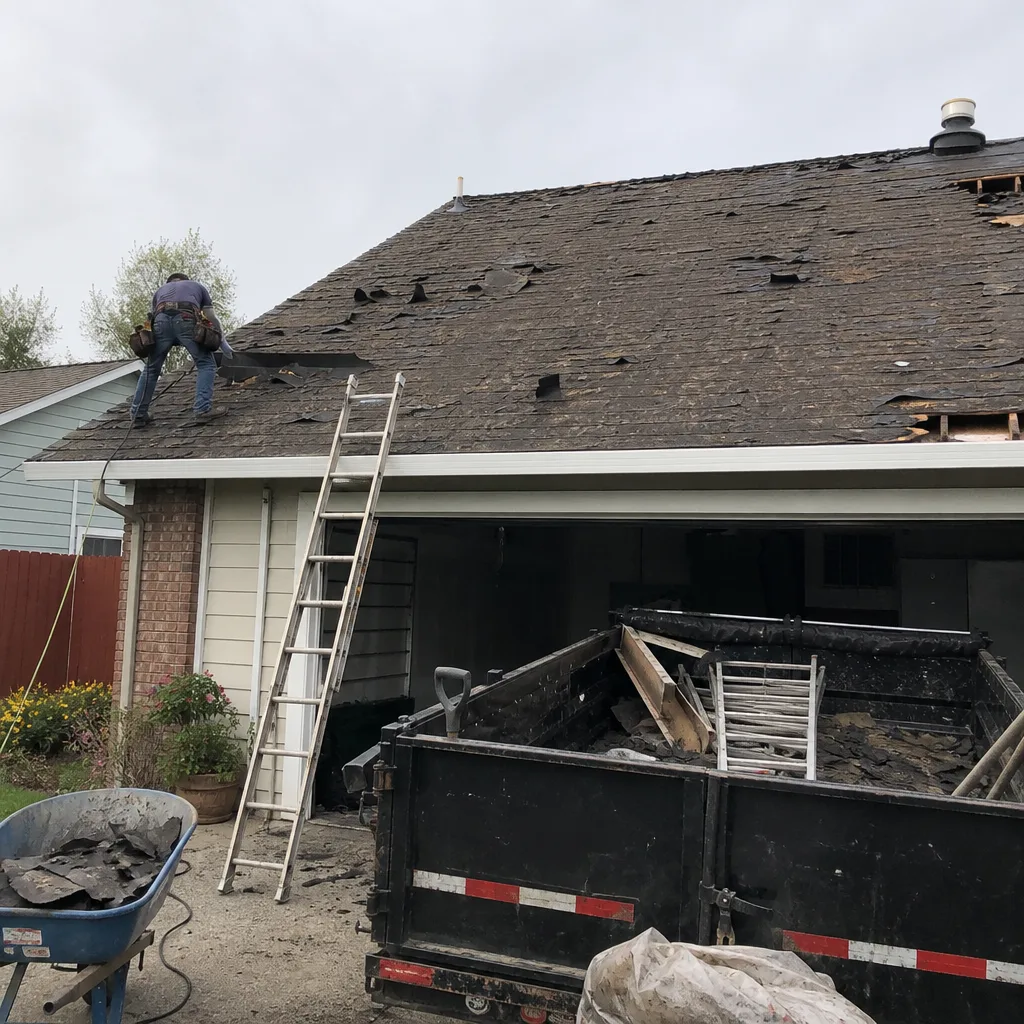 Before
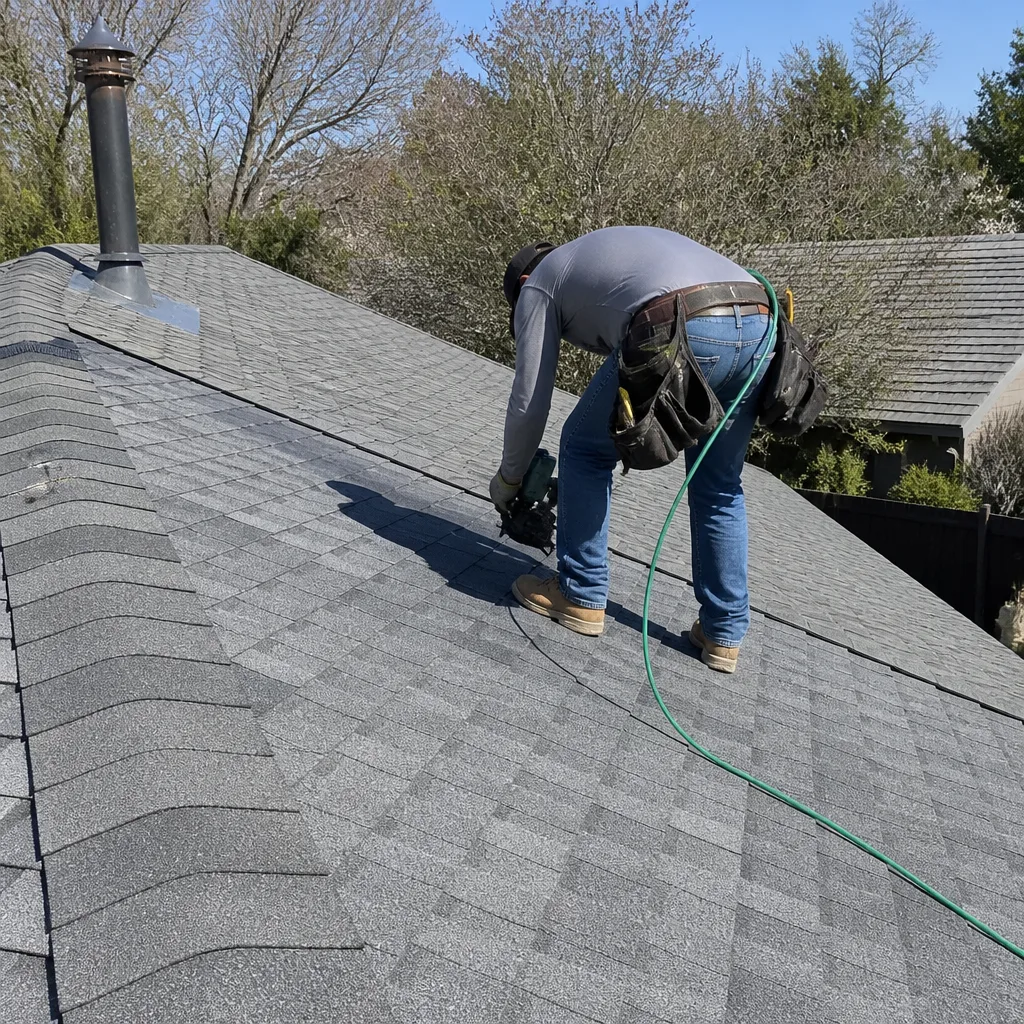 After
After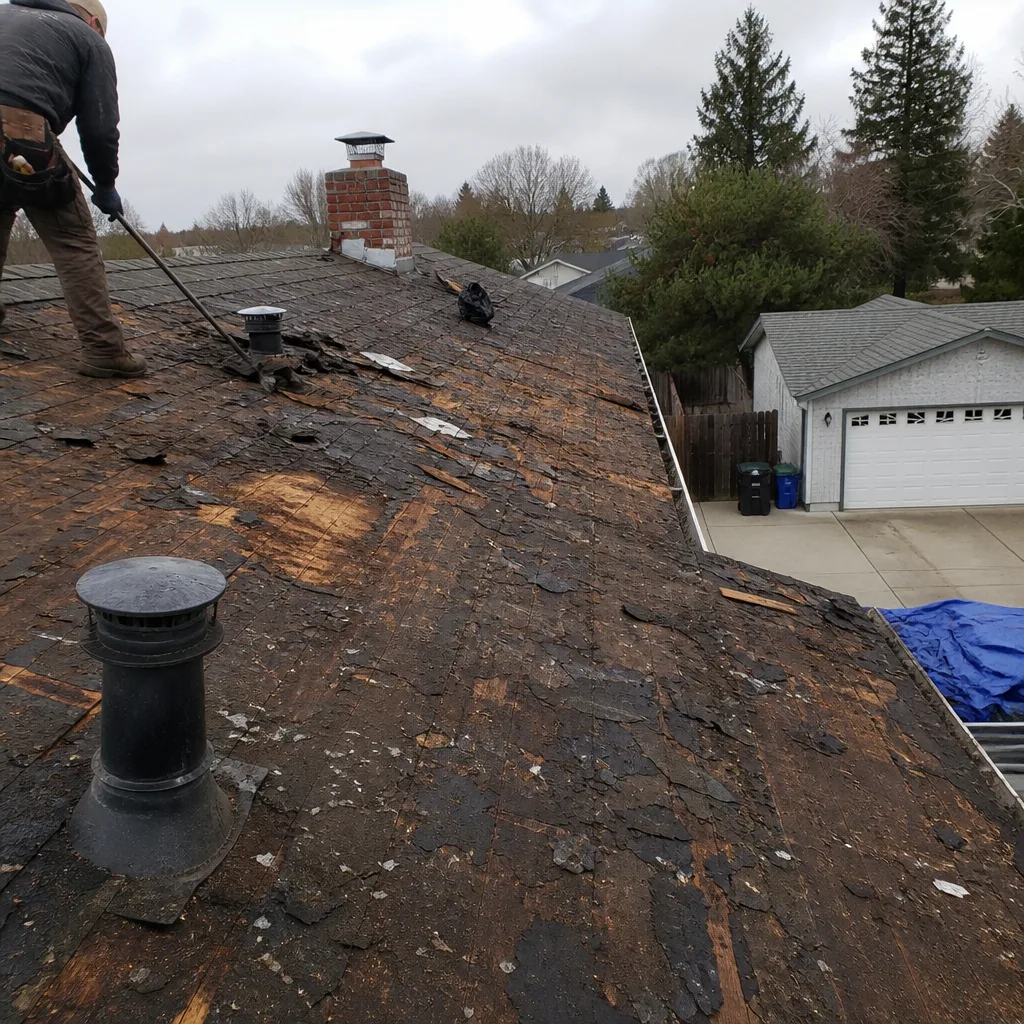 Before
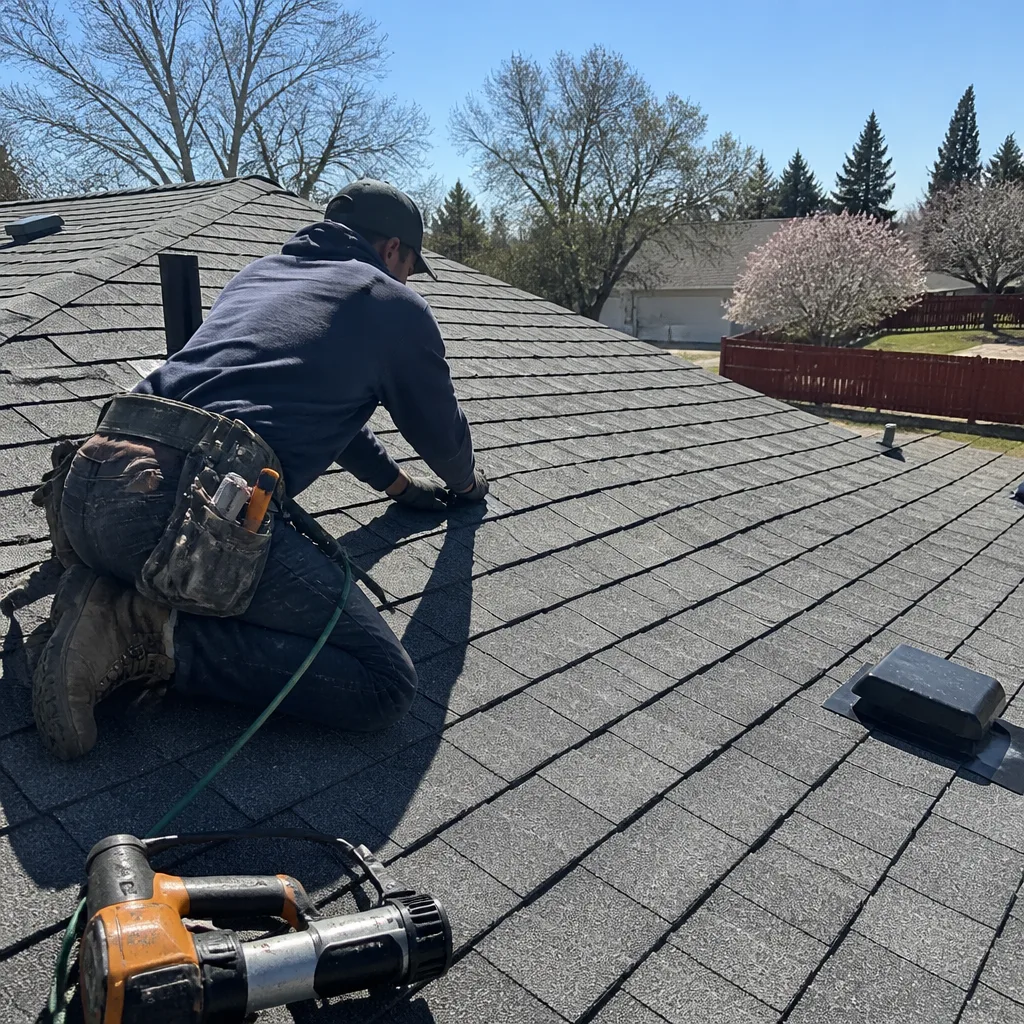 After
After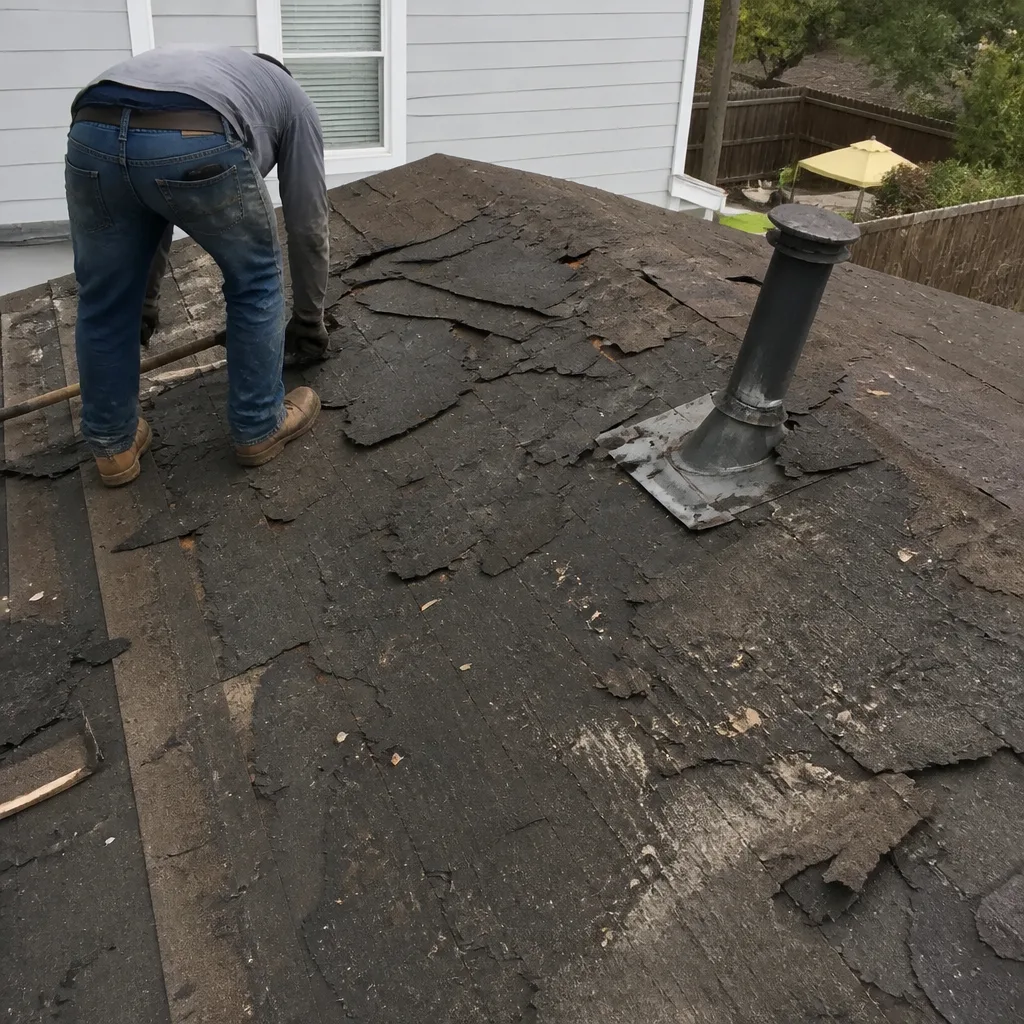 Before
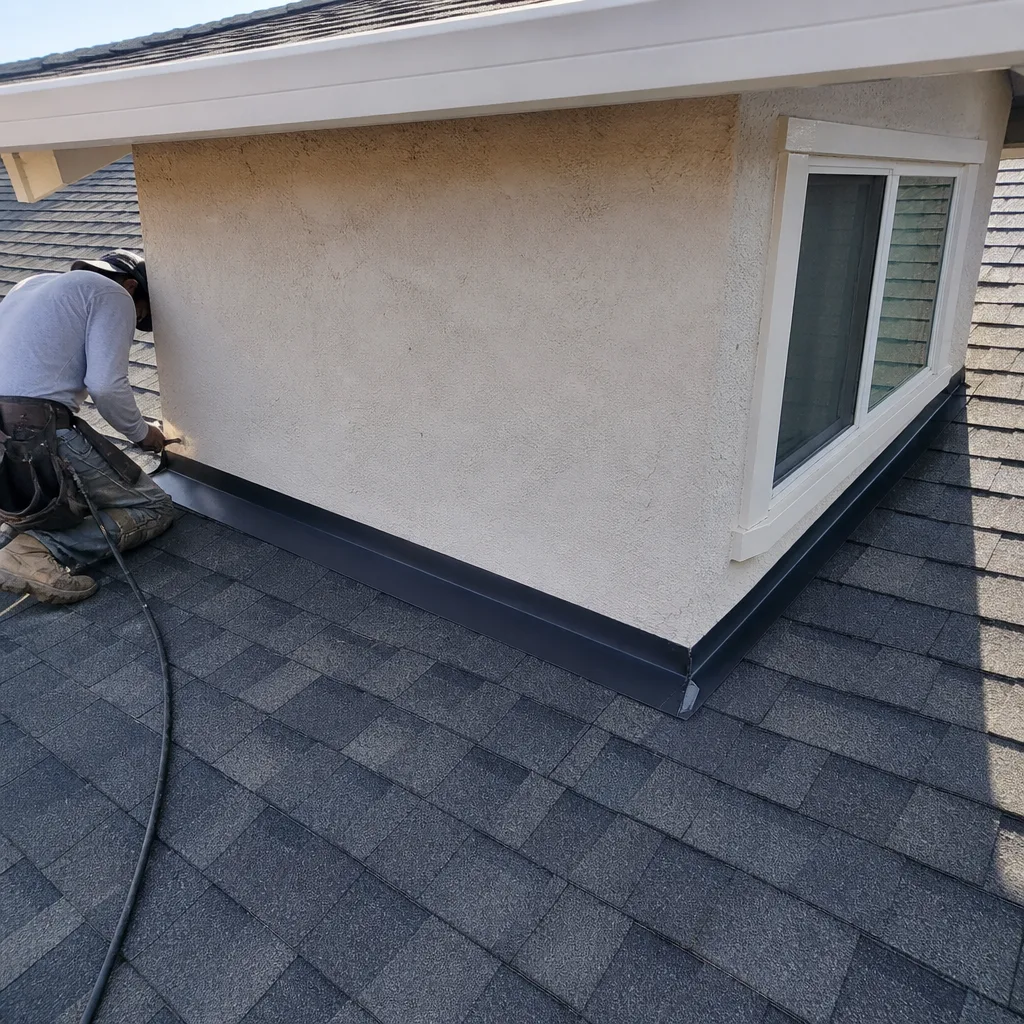 After
After