
Last updated October 17, 2026
 Metal roofing
 Architectural shingles
 Tile roofing
 GAF
GAF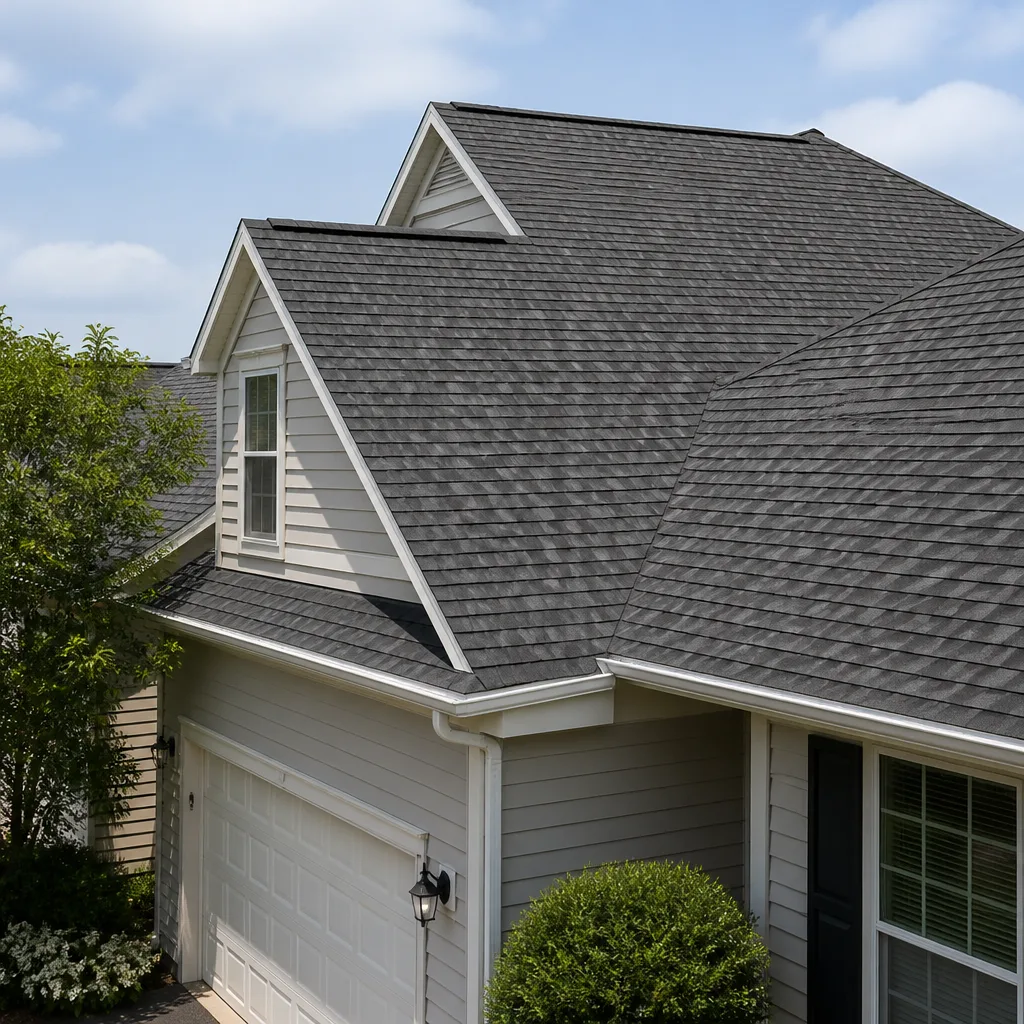 Owens Corning
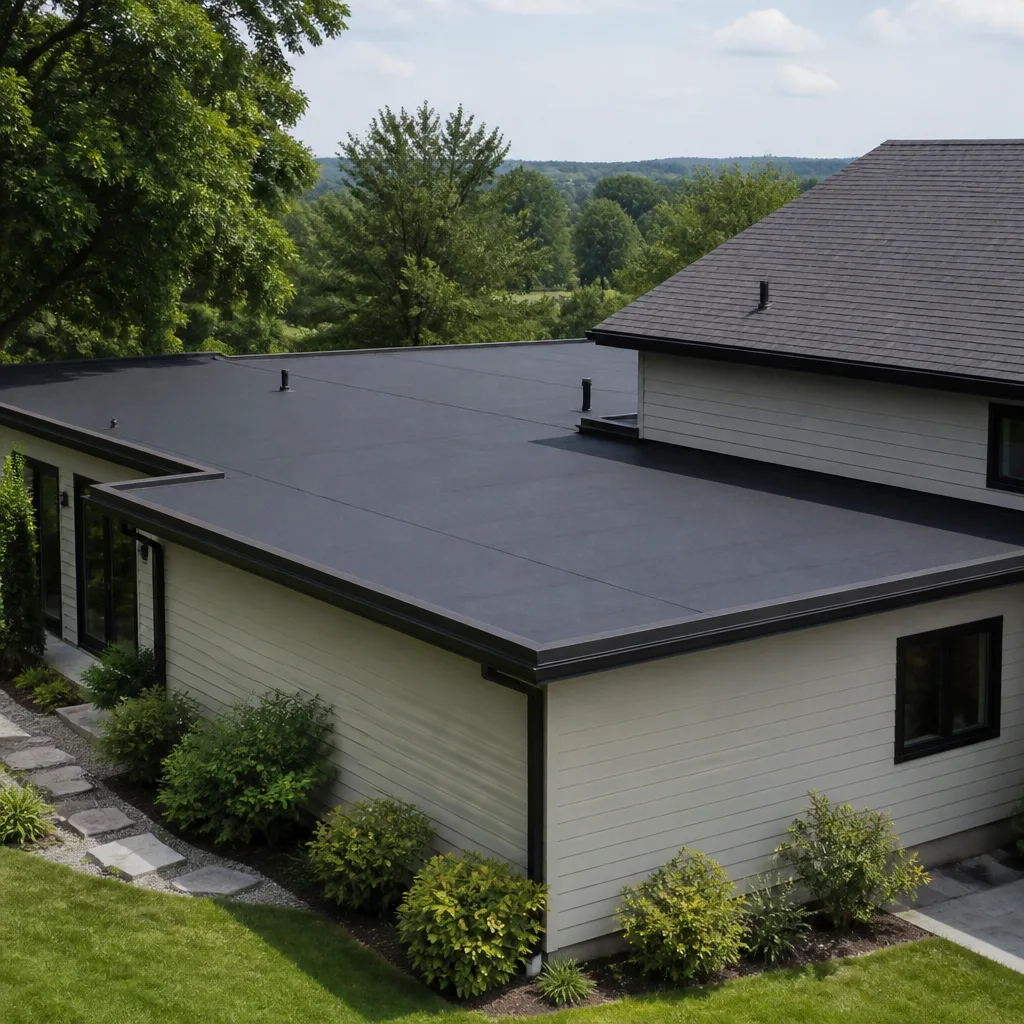 Flat & low-slope
Free roof inspection with deck photos before we talk money - GAF and Owens Corning certified installation
Seasonal Roofing Care for Sacramento: Year-Round Homeowner’s Guide
Sacramento’s real roofing damage season isn’t winter. It’s the six weeks in late February and March when tule fog lifts, atmospheric rivers finish, and every moisture problem that developed silently since November suddenly shows up as a stain, a bubble, or a soft spot underfoot. Most seasonal roofing guides are written for places with snow and ice dams, which means they tell Sacramento homeowners exactly the wrong things at exactly the wrong times. For The Complete Guide to Roofing in Sacramento tailored to our actual climate, see our local resource. This guide reorganizes roof care around the weather Sacramento actually gets: fog that sits on your roof for days, rain that comes in concentrated bursts, and summer heat that bakes materials until they crack. You’ll learn what to check each month, what’s actually urgent, and what you can safely ignore until October.
Styles & brands we work with
Quick Answer
Sacramento homeowners should treat October as the single most important roofing month: clear gutters, inspect flashing, and check for lifted shingles before the rainy season starts. The second critical window is late February through March, when accumulated moisture problems become visible as stains or soft spots. During summer, focus on thermal expansion damage like cracked tiles and dried-out sealant around vents and skylights. A ground-level visual inspection once per season catches most problems before they require emergency repair.
Table of Contents
- Sacramento’s Actual Weather Calendar vs. the National Textbook Version
- Why October Is Sacramento’s Most Important Roofing Month
- What Tule Fog Actually Does to Roofing Materials
- November Through February: The Rainy Season Survival Guide
- The March Warm-Up: Sacramento’s Real Damage Detection Window
- June Through September: The Heat Season Checklist
- Month-by-Month Reference Card
- Common Mistakes to Avoid
- When to Call a Professional
- Frequently Asked Questions
- The Bottom Line
Sacramento’s Actual Weather Calendar vs. the National Textbook Version
National roofing guides assume four equal seasons. Sacramento does not work that way. We get a long, dry, hot summer from June through September, a compressed rainy season from November through March, and two transitional windows in October and April that matter more than most homeowners realize. The Sacramento Valley’s Mediterranean climate means your roof endures longer dry spells and more intense UV exposure than roofs in most of the country, followed by concentrated rain events that test every seal and joint at once.
Here’s what actually happens on a Sacramento roof over a typical year:
- June through September: Temperatures regularly exceed 100°F. Roof surface temperatures run 40 to 60 degrees hotter than air temperature. Asphalt shingles soften, tile expands, sealant dries and cracks. This is when small gaps form.
- October: First real rain usually arrives mid-to-late month. Any gap formed during summer becomes a leak path. Gutters are full of leaves from Sacramento’s mature tree canopy. This is the month to close everything up.
- November through February: Atmospheric rivers bring heavy rain in short bursts. Tule fog sits in the valley for days at a time. Water finds every opening that October’s prep missed.
- Late February through March: The warm-up. Fog lifts, rain tapers, and damage that was invisible all winter becomes visible: stains on ceilings, bubbles in paint, soft decking underfoot.
- April and May: The repair window. Dry, mild weather means crews can work efficiently. Smart homeowners schedule repairs now, before summer heat makes roof work slower and more uncomfortable for everyone involved.
If you’ve been following a generic “inspect twice a year, spring and fall” schedule, you’re close but missing the specifics that How to Hire a Roofing Contractor in Sacramento: A Step-by-Step Guide recommends for our region. In Sacramento, the spring inspection should come in March, not April, and the fall inspection should come in early October, not November. Timing matters because once the rain starts, small problems become interior damage quickly.
Why October Is Sacramento’s Most Important Roofing Month
October is when Sacramento roofs either get ready for winter or start the slow process of leaking. The first significant rain typically arrives between October 15 and November 1, and once it does, roof work becomes slower, more expensive, and more disruptive. A roofer who can replace flashing in an hour in October may need to tarp and reschedule in November.
Here are the specific October tasks that determine whether your roof handles the rainy season or creates expensive interior damage:
- Clear gutters and downspouts completely. Sacramento’s street trees – sycamores, elms, and oaks – drop enormous volumes of leaves in October. A clogged gutter sends water over the edge and down the fascia, where it rots wood and works behind the drip edge. If you can see leaves from the ground, it’s time to clean.
- Check flashing around chimneys, vents, and skylights. Flashing is the metal that seals the gaps where roofing material meets another surface. Sacramento’s summer heat expands and contracts this metal repeatedly, and after several years the sealant that bonds it breaks down. Look for gaps, cracks, or lifted edges. These are the most common leak points on Sacramento homes.
- Look for lifted or missing shingles on the edges and valleys. The windstorms that roll through the Valley in late October are the first test of shingle adhesion. A shingle that lifted in summer heat and didn’t reseal properly will rip off in the first serious wind event.
- Inspect the drip edge. The drip edge is the metal lip along the roofline that directs water into the gutter rather than letting it run back under the roofing material. If it’s bent, loose, or missing sections, water runs directly into your fascia and soffit. On older Sacramento homes, missing drip edge is common, and it causes rot that looks mysterious until someone pulls back the shingles.
- Trim branches that overhang the roof. Sacramento’s mature tree canopy is a blessing and a curse. Overhanging branches scrape shingles in wind, drop leaves that clog gutters, and give squirrels and raccoons a path onto your roof. October is the right time to trim, while the trees are full and you can see exactly what needs cutting back.
If you want a professional opinion before the rain arrives, Roof Repair in Sacramento is the service that handles October inspections. We walk the roof, check every penetration, and give you a written report with photos. If anything needs work, you get a written price before any tool comes off the truck.
What Tule Fog Actually Does to Roofing Materials
Tule fog is a Sacramento Valley phenomenon that most national roofing guides never mention. It forms in the Central Valley when cold air settles over moist ground, creating dense fog that can sit for days. For your roof, this means sustained exposure to 100% humidity at temperatures right around the dew point – water vapor constantly condensing on and infiltrating every pore of the roofing material. It’s different from rain in ways that matter.
Here’s what sustained tule fog does to different roofing materials over a single season:
- Asphalt shingles: Moisture seeps into the fiberglass mat and sits there. The bond between the asphalt coating and the granules on top weakens. You won’t see granule loss immediately – that shows up later, often in spring, when you notice granules collecting on the deck or in the gutter and bald spots starting to form on shingles. Several fog seasons in a row accelerate this dramatically.
- Tile roofs: Sacramento has a huge number of tile roofs, and fog affects them differently than heat or rain. The mortar that secures ridge caps and hip tiles absorbs moisture for days. When temperatures swing – fog lifts, sun comes out, materials warm quickly – the expansion and contraction cycle loosens that mortar. Loose ridge caps after a foggy winter are one of the most common spring roof findings in Sacramento.
- Wood fascia, soffit, and rake boards: Fog condenses on every exposed surface. Unpainted, cracked, or caulk-failed wood absorbs the moisture slowly over weeks. This is why fascia rot on Sacramento homes often progresses from the top edge downward – the water enters at the top and works down, rather than wicking up from weather exposure at the bottom.
- Metal flashing and fasteners: Oxidation accelerates in constant high-humidity conditions. Nails and flashing that were losing their protective coating in the dry heat of summer rust faster through a foggy winter. Rusted fasteners pop up, leaving shingle gaps.
None of this damage is visible while it’s happening. Fog doesn’t leave a puddle. It doesn’t create a stain right away. It works slowly at the molecular level, weakening bonds and coatings. The visible proof arrives in March, when the fog lifts and you can see the granule loss, the cracked mortar, the rust stains, the soft fascia. If you understand this cycle, you’ll know why spring inspections in Sacramento find more damage than fall inspections – it’s not that winter rain was catastrophic, it’s that fog season exposed every weakness that summer heat and age had already created.
November Through February: The Rainy Season Survival Guide
Sacramento’s rainy season is compressed. Most of the year’s precipitation falls between November and March, typically in a handful of significant storm events driven by atmospheric rivers. These storms deliver a lot of water in a short period: an inch or more in a day is common, and the soil in the Central Valley saturates fast. Gutters that might handle a slow drizzle overwhelm in a heavy downpour, and any gap in your roofing system gets tested under real pressure.
During the rainy season, you’re not doing major roof work – you’re monitoring and responding. Here’s what that looks like:
- After every major storm, walk the perimeter of your house. Look at the ground for shingle granules, broken tile pieces, or debris that washed off the roof. Look up at the roofline for anything out of place: lifted edges, missing pieces, sagging sections.
- Check your ceilings and attic after heavy rain. In Sacramento’s older homes – and there are many, especially in East Sacramento, Land Park, and Curtis Park – the first sign of a roof leak is often a water stain on the ceiling or a musty smell in the attic. Look at the ceilings in every room, not just the ones you use daily. Check the attic space if you have access. A flashlight beam catches water stains that room light misses.
- Watch for granule runoff. After a storm, check the ground near your downspouts. A small amount of asphalt granules washing off is normal for a roof in the middle of its life. A heavy accumulation, or granules showing up in collected water that looks like black sand, means the shingles are shedding their protective layer and water is getting closer to the mat.
- If you see a leak, contain it immediately. Put a bucket or container under the drip, move furniture and valuables out of the way, and call a roofer. Small leaks become big interior damage fast, especially when you have drywall ceilings that absorb water and then sag. A five-gallon bucket can prevent hundreds of dollars in damage while you wait for a repair visit.
- Ceiling stains that appeared “out of nowhere.” Water that entered your roof in January and sat in insulation or on drywall doesn’t always show up immediately. When temperatures warm, the moisture evaporates upward and wicks through drywall, leaving a visible ring or stain. If you see a stain in March, the leak probably happened in January or February.
- Bubbles or peeling paint on exterior walls near the roofline. This is water that ran behind the stucco or siding and is now drying out and pushing paint off. It’s a classic Sacramento phenomenon on stucco homes from the 1950s and 1960s.
- Soft spots in the decking. If you can safely access your attic, walk carefully on the joists and press on the decking between them. Wet or rotted decking feels spongy compared to dry wood. Spring is when this becomes most detectable because winter moisture has had time to work into the wood fibers.
- Loose ridge caps on tile roofs. Walk around your house and look up at the peak of the roof. On a tile roof, the ridge caps are the curved pieces that sit along the top. If you see one that’s crooked, shifted, or missing mortar underneath, that’s fog-season damage from repeated expansion and contraction.
- Granule accumulation at gutter outlets. Once the rain stops and everything dries out, the granules that washed off your shingles during the winter are sitting at the bottom of your gutters and the ground near downspouts. A heavy black residue means the shingles shed more than they should have.
- Sealant shrinkage and cracking. The caulk and sealant around vents, skylights, and flashing expands when hot and contracts when it cools. After a few hundred of those cycles, it pulls away from the surfaces it’s supposed to seal. In the middle of a hot Sacramento summer, these small gaps are invisible, but they’re forming. Look for visible cracks in sealant around rooftop penetrations from the ground level, or, if you have safe access, from a ladder.
- Thermal expansion damage on tile roofs. After a week above 105°F, clay and concrete tiles expand measurably. If tiles were installed too tight or fasteners are corroded, expansion pushes against them and causes cracking. Walk around your home after a heat wave and look for cracked or shifted tiles, especially near the roof’s edges and valleys.
- Blistering on asphalt shingles. Blisters are small raised spots on the surface of shingles caused by trapped moisture or gases expanding under the asphalt layer in extreme heat. They look like small bubbles or pits when they pop. Sacramento’s summer sun is intense enough to create blisters on shingles that are nearing the end of their useful life, especially south-facing slopes.
- Dried-out rubber boots on plumbing vents. The rubber gasket that seals the pipe where it passes through the roof degrades faster in high heat. After several Sacramento summers, it cracks and splits. This is one of the most common sources of small leaks in older Sacramento homes.
- Stand across the street from your house in mid-morning, when the sun is at a low enough angle to cast shadows across the roof surface. Look for shingles that are curling, lifting, or out of alignment – the angled light makes these much more visible than overhead sun.
- Look at the roofline against the sky. Sagging, wavy, or uneven sections are visible in silhouette when you’re far enough away to see the whole roof at once. A roof that should be straight but looks curved or dented has a structural issue underneath.
- Check for visible granule loss on the driveway and walkways near downspouts. After rain, granules wash down. After a long dry summer, granules that have shed from shingles during heat cycles may sit in gutters and around the foundation until the first fall rain pushes them out.
- Look for cracking sealant around chimney flashing and skylights. If these features are visible from the ground with a pair of binoculars, you can often spot the telltale dark line of a crack in sealant that’s been cooked by Sacramento’s summer sun.
- January: After each heavy rain, check ceilings and attic for stains. Look at the ground near downspouts for granule buildup. Tule fog is at its peak; note any areas where moss or algae is forming on north-facing slopes.
- February: Check for lifted shingles after wind events. Look at chimney flashing for rust or gaps. If you see any new stains or damp spots, mark them mentally – they’ll become more visible in March.
- March: The detection window is open. Walk the perimeter and look up. Check for ridge cap shifting on tile roofs, granule loss in gutters, and visible cracks in sealant around vents and skylights. This is the month to schedule any repairs you find.
- April: The repair window. If you found anything in March, get it scheduled now. Check trees near the roofline for new growth that will become a problem by fall – branches that touch the roof in spring will scrape it in summer wind.
- May: Check for bird, squirrel, or raccoon activity. Animals looking for nesting spots in May will find gaps in fascia, soffit, or at roofline intersections. Block any entry points before summer heat sends them looking for shade in your attic.
- June: The first heat waves arrive. After the first week above 100°F, walk around and look for cracked or shifted tiles, especially near penetrations. Note any south-facing slopes that look different from north-facing slopes – uneven granule wear shows on south slopes first.
- July: Peak heat. Check sealant around skylights and vents with binoculars from the ground. Dried and cracked sealant is most visible now, at maximum expansion. If you notice any cracked sealant, the fall will only make it worse.
- August: Sacramento’s warmest month. Check for blistering on asphalt shingles – raised bumps you can see from the street with angled morning light. On tile roofs, check for tiles that have shifted during thermal expansion cycles.
- September: Pre-October prep. Look at your gutters for leaf accumulation. Sacramento trees hold their leaves into September, but early fallers – sycamores especially – start clogging gutters before the big October drop. Order any needed repairs now so they’re complete before rain arrives.
- October: The most important month. Clear gutters completely. Check flashing around every penetration. Look for lifted or damaged shingles. Trim overhanging branches. If you schedule one professional inspection per year, make it October.
- November: First significant rain. After the first storm, check for leaks and granule runoff. If gutters overflow in the first rain, they’ll overflow in every rain after it. Clear or repair them now.
- December: Heavy rain and short days. Monitor after each storm. Fog returns. Check attic ventilation – trapped moisture from fog plus poor ventilation is the recipe for mold and decking rot in Sacramento winter.
- Cleaning gutters in August and skipping October. Sacramento’s tree canopy drops most of its leaves in October and November. August gutter cleaning means gutters are already half-clogged by November’s first serious rain. Clean in early October, after the bulk of the leaf drop.
- Assuming a dry summer means a healthy roof. Heat damage is invisible until it becomes a leak. A roof that survives Sacramento’s summer with no visible issues may still have cracked sealant, blistered shingles, or shifted tiles that will fail the moment rain arrives.
- Ignoring the March warm-up because “nothing leaked this winter.” The damage is there – it just hasn’t shown itself yet. Ceiling stains that appear in March are from water that entered in January. Waiting until next fall to inspect means you’ll spend an entire summer living with a brewing problem.
- Painting over a ceiling stain without fixing the roof. The stain came from water that entered your roof system. Paint covers the evidence; it doesn’t stop the water. Within a few months, the stain will return, and by then the decking underneath may be soft enough to need replacement.
- Letting tree branches rest on the roof because “they’ve always been there.” Sacramento’s mature oaks and sycamores grow slowly but persistently. A branch that was several inches above the roof five years ago may touch it now. Contact with the roof surface wears through shingle granules and tiles, and it provides a highway for animals.
- Assuming tile roofs don’t need maintenance because “tile lasts forever.” The tile itself may be durable, but the underlayment beneath it ages, the mortar holding ridge caps cracks in fog season, and flashing fails in heat. Tile roofs require a different kind of maintenance, not zero maintenance.
- Waiting until a leak is visible inside the house to call a roofer. By the time water shows up on your ceiling, it has already passed through the roofing material, perhaps the decking, and part of your insulation. Interior stains mean the problem has existed for weeks or months.
We answer the phone 24 hours a day, 7 days a week at (279) 348-3049 – including evenings, weekends, and during storms. If you have an active leak during a Sacramento rain event, call us and a live person picks up. No voicemail. No callback queue. We’ll talk through what you’re seeing and get someone to your home.
The March Warm-Up: Sacramento’s Real Damage Detection Window
The six weeks from late February through early April are when Sacramento homeowners discover what the winter actually did to their roofs. The fog lifts. The rain stops. The sun comes back. And suddenly, problems that were invisible for months become obvious. Understanding this window changes how you think about roof maintenance: you’re not checking for new damage in March, you’re detecting damage that already happened and is just now showing itself.
Here’s what to look for during the March warm-up:
March and April are also the best months to have repairs done. The weather is mild, roofs are dry, and crews can work efficiently without the heat stress of summer. If you find damage in March, don’t wait until summer to fix it. Our full roofing company services in Sacramento handle everything from small repairs to full reroofs, and we schedule spring work first.
June Through September: The Heat Season Checklist
Sacramento summers are hard on roofs in ways that aren’t visible until months later. Air temperatures above 105°F mean roof surface temperatures of 150°F to 170°F on asphalt shingle roofs, and even higher on dark tile. That heat doesn’t just sit on the surface; it radiates through the roofing system, drying out sealant, softening adhesive bonds, and stressing every material at a rate that accelerates over time.
Here’s what the heat season does, and what you should look for:
Your safe ground-level summer inspection: Sacramento’s dry summers give you something most parts of the country don’t have: months of clear, dry weather with consistent light. Here’s what’s visible from the street or sidewalk in good light that you’d never see in winter’s gray or during morning fog:
Tile roof specifics after extreme heat: If you have a tile roof in Sacramento and it’s been above 105°F for a week or more, tile roofs in neighborhoods like Natomas, Elk Grove, and Folsom often show specific patterns. Walk around your home and look for tiles that are shifted out of alignment along the roof’s edge, or cracked tiles near any roof penetration like a vent or chimney. The expansion cycle pushes tiles against fixed points – the chimney, the ridge, the flashing around vents – and those are the first failure points. A cracked tile doesn’t necessarily leak immediately, but it exposes the underlayment, and once the underlayment is exposed, the clock starts on a leak path through your roof.
Summer is also the time to plan a Roof Replacement in Sacramento if your current roof is near the end of its life. We schedule reroofs during the dry season so the work is done before rain becomes a concern, and we work with material options from GAF, CertainTeed, Owens Corning, IKO, Atlas, Tamko, and Boral so the product fits your home and budget – not just what happens to be in the truck.
Month-by-Month Reference Card
Here’s a one-page reference you can save or print. Instead of a generic “inspect twice a year,” this gives you one or two specific things to check each month in Sacramento’s climate. None of these require a ladder. All of them take five minutes or less.
Common Mistakes to Avoid
When to Call a Professional
Some roof issues are visible and manageable from the ground. Others require a professional eye and the right equipment. Call a roofer when you see any of these: a water stain on a ceiling that wasn’t there before; visible sagging or unevenness in the roofline; multiple cracked or shifted tiles after a heat wave; granule loss heavy enough to expose the shingle mat underneath; or any sign of water intrusion around vents, chimneys, or skylights. If you’re not sure whether what you see is a problem, call and describe it, or browse more guides & resources to help assess the situation. Tilehurst Roofing Sacramento offers free estimates in Sacramento – call (279) 348-3049 and we’ll take a look. A live person answers every call, 24 hours a day, including evenings and weekends.
Frequently Asked Questions
In Sacramento’s climate, you should do a ground-level visual inspection at least four times per year: early October before the rains, late February or March when the fog lifts, a mid-summer check after a heat wave, and once during the rainy season after a major storm. A professional roof inspection once per year, ideally in October, catches problems that aren’t visible from the ground. Call (279) 348-3049 to schedule your October inspection before the seasonal rush.
The most common roof problem we see in Sacramento is failed sealant around roof penetrations – vents, skylights, chimneys, and exhaust pipes. Sacramento’s summer heat repeatedly expands and contracts this sealant until it cracks, and once it cracks, water follows the gap down under the roofing material. It’s an inexpensive fix when caught early and a recurring interior damage problem when ignored.
Most asphalt-shingle repairs in Sacramento run $180 to $340 for small jobs like resealing a vent or replacing a few shingles. Tile roof repairs typically run $300 to $600 depending on whether mortar and underlayment need attention. Larger repairs involving decking replacement or structural work cost more. Every repair comes with a written price before any work starts, and every repair is covered by a written guarantee. Call (279) 348-3049 for an exact quote – estimates are free.
The best window for a roof replacement in Sacramento is April through October, when the weather is dry and predictable. Summer heat makes the work uncomfortable but not impossible, and many homeowners prefer spring or fall for comfort and scheduling flexibility. The key is to complete the replacement before the rainy season begins in November. We work with materials from GAF, CertainTeed, Owens Corning, IKO, Atlas, Tamko, and Boral so the product fits your home – not just what happens to be on the truck.
Tile roofs need different maintenance than shingle roofs, not less. The specific concerns in Sacramento are cracked tiles from thermal expansion during heat waves, loose ridge caps from fog-season moisture cycling, and degraded underlayment beneath the tile that isn’t visible from the ground. A professional should check tile roofs annually, ideally in March when fog-season damage has become visible.
Whether insurance covers roof damage depends on your specific policy and the cause of the damage. Storm-related damage like wind-lifted shingles is often covered, while wear-and-tear from age and heat is typically not. The responsible approach is to document damage with photos and contact your insurance company promptly. If you need a professional assessment, we provide written documentation of what we find. Call (279) 348-3049 to schedule an inspection.
Early roof leaks in Sacramento often don’t produce visible indoor water. Instead, look for these indirect signs: a musty smell in the attic or upper rooms, attic insulation that feels damp or looks matted down, nail heads in the attic that show rust, or daylight visible through the roof decking. If you suspect a leak but haven’t seen water, get an inspection before the rainy season. The earlier a leak is found, the cheaper it is to fix.
The Bottom Line
Sacramento’s roofing calendar doesn’t match the national template, and treating it as if it does leads to maintenance at the wrong times and repairs after the damage is done. October is the month to prepare. March is the month to assess. Summer is the season to monitor for heat damage, and winter is the season to respond to what the rain and fog reveal. A written inspection and maintenance routine built around these four windows will keep a Sacramento roof watertight and structurally sound for years longer than a generic twice-yearly check. If you’d rather have a professional handle it, call Tilehurst Roofing Sacramento at (279) 348-3049 for a free estimate. Our Sacramento roofing team is ready to help, and a live person answers every call – day or night.
Written by Greg Holloway, Owner at Tilehurst Roofing Sacramento, serving Sacramento since 2000.
See the difference
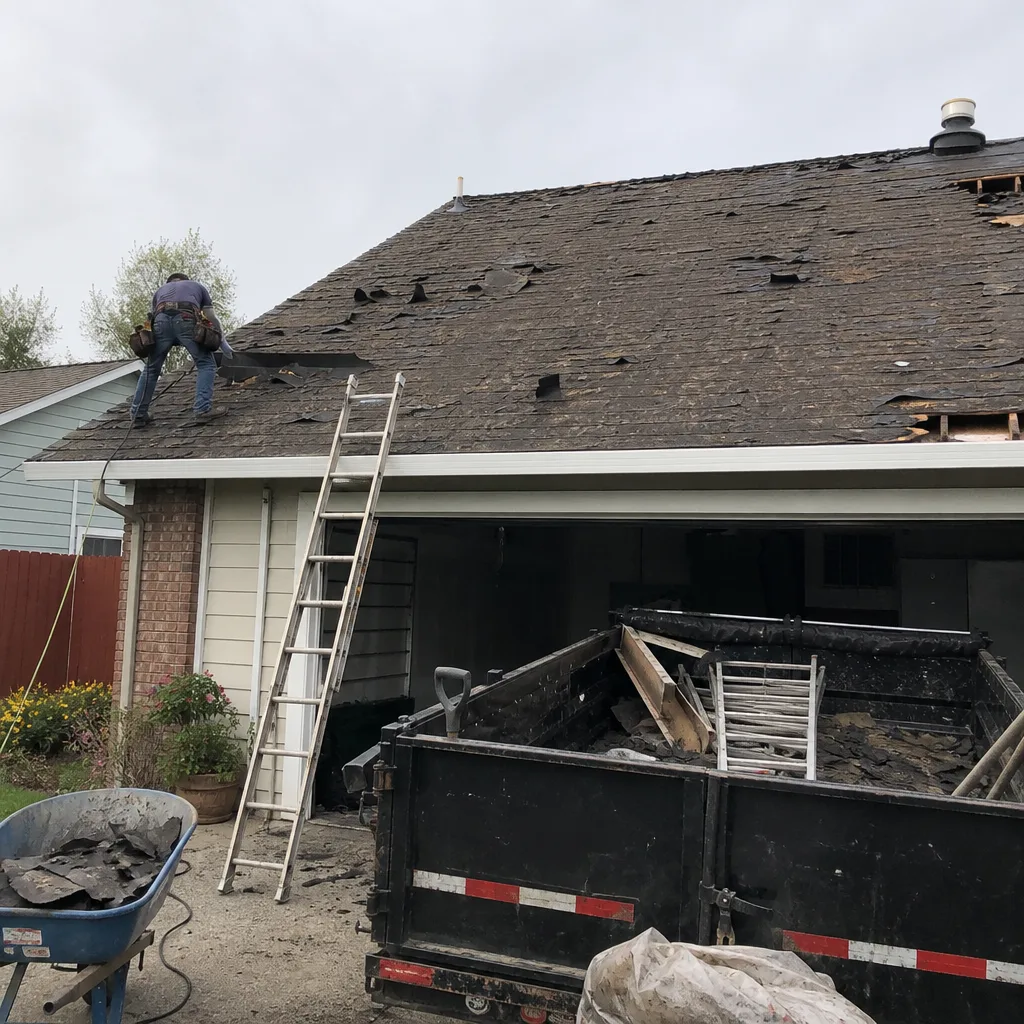 Before
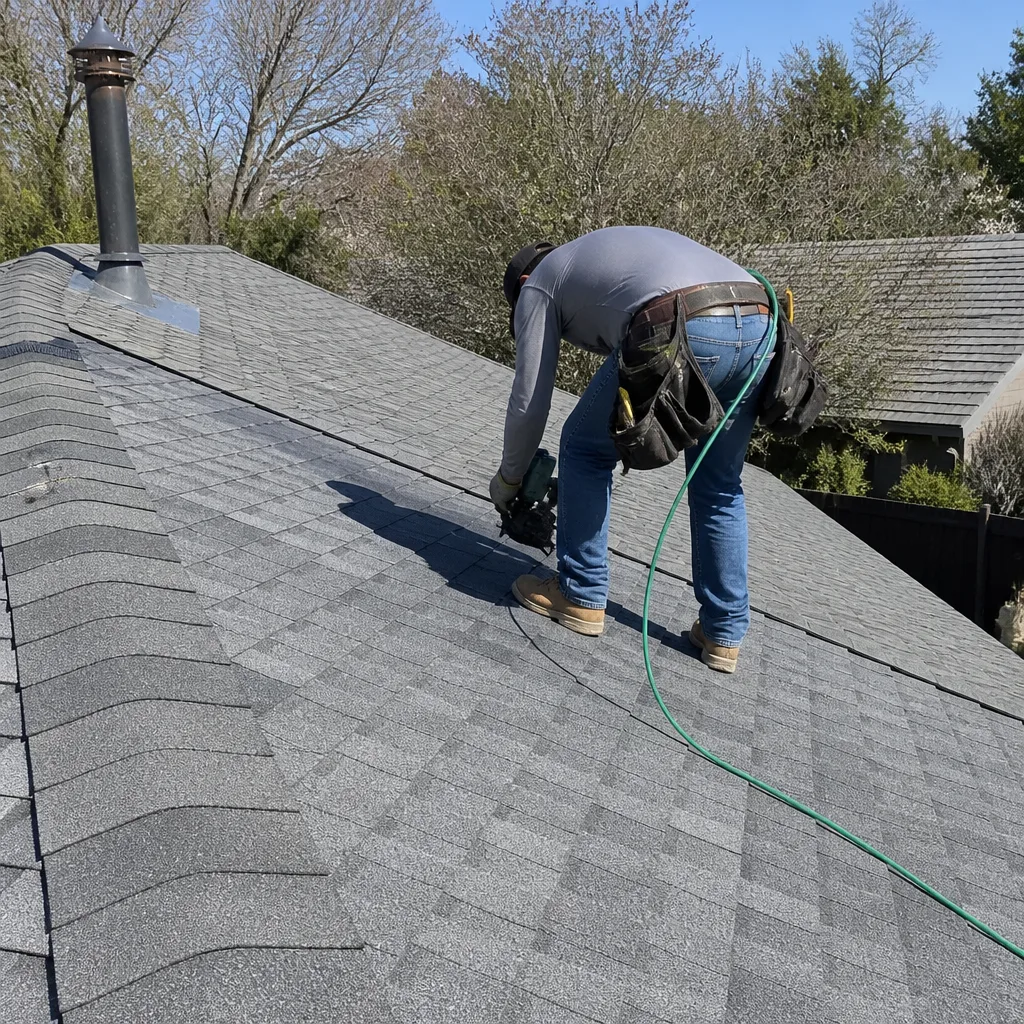 After
After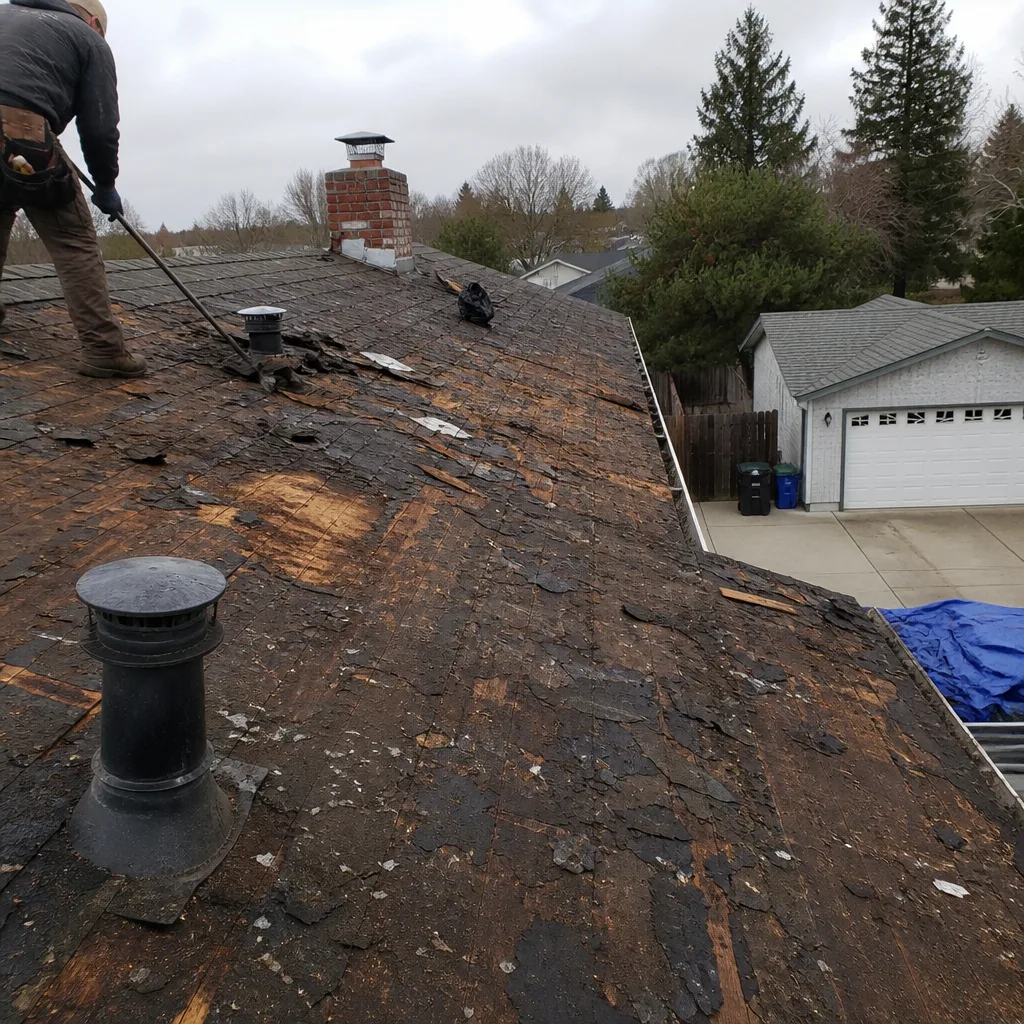 Before
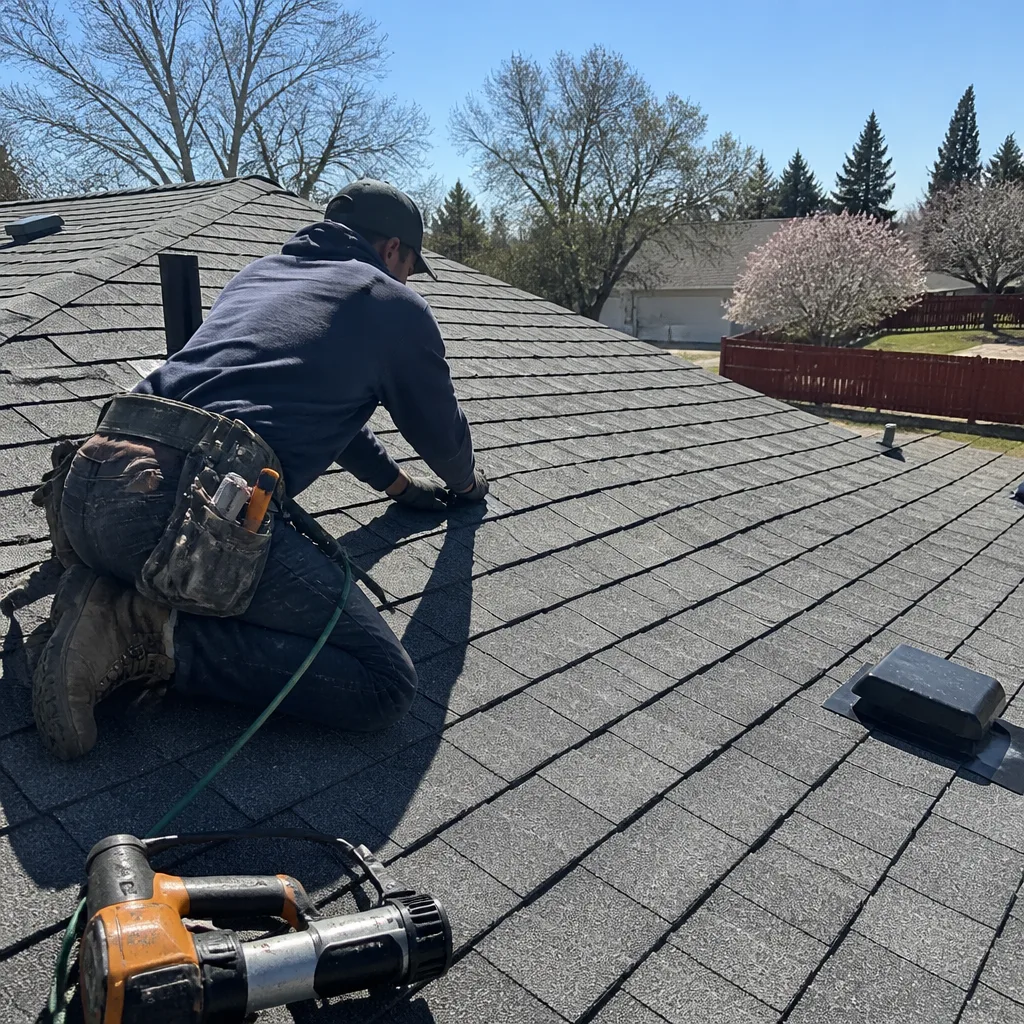 After
After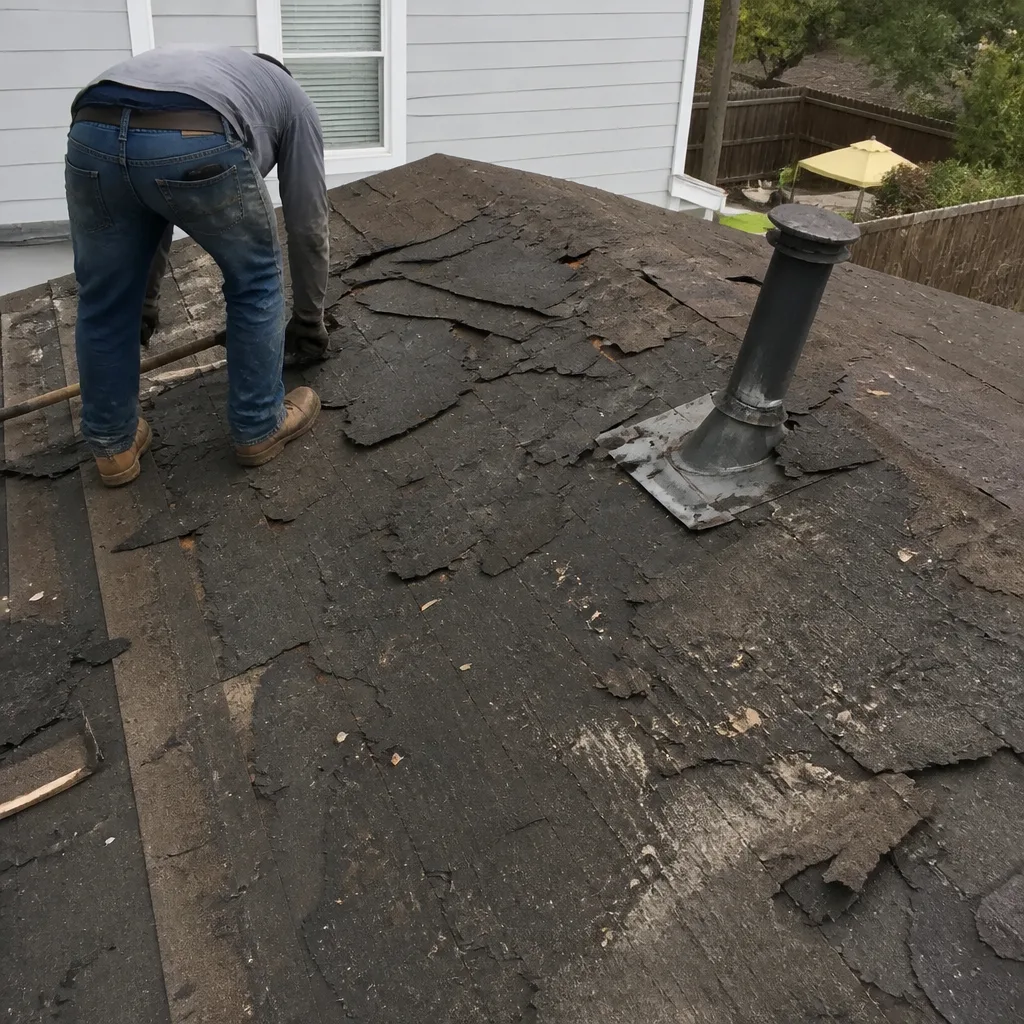 Before
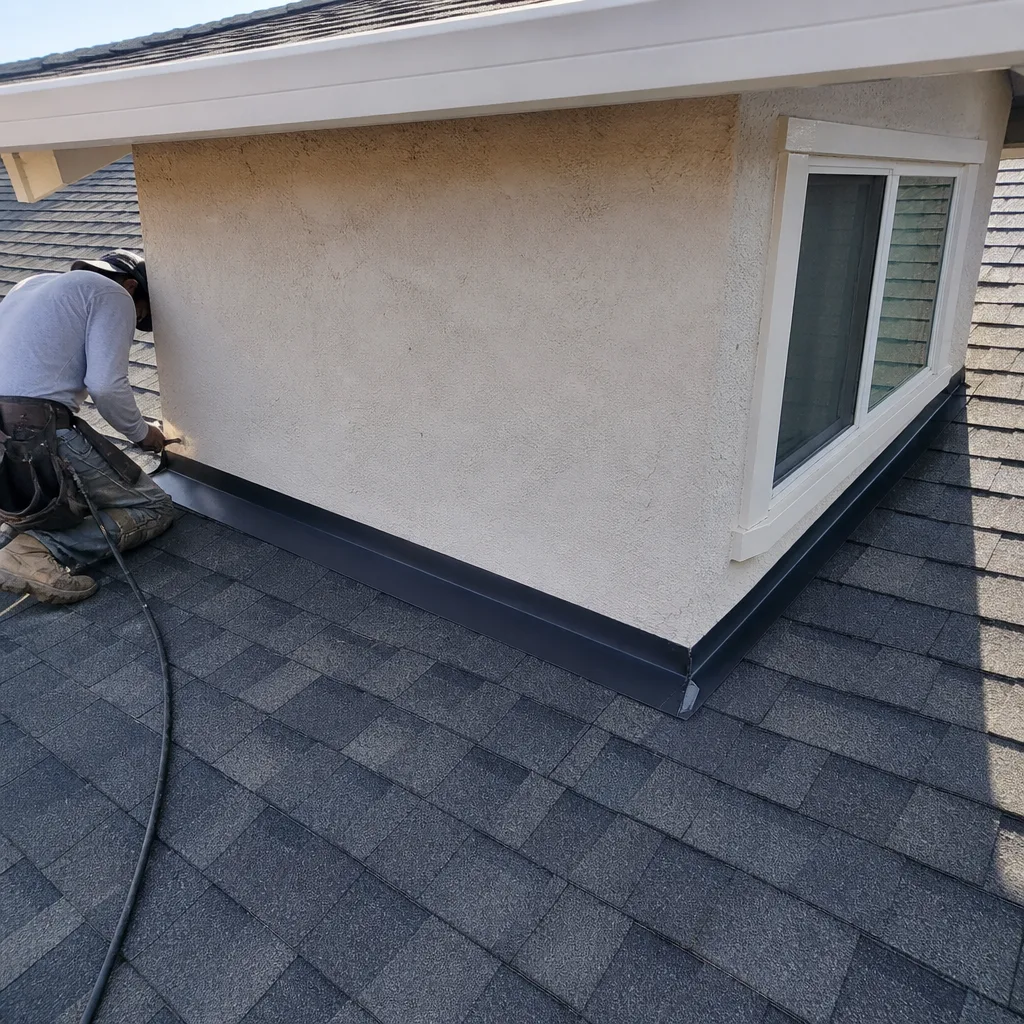 After
After