
Last updated October 17, 2026
 Metal roofing
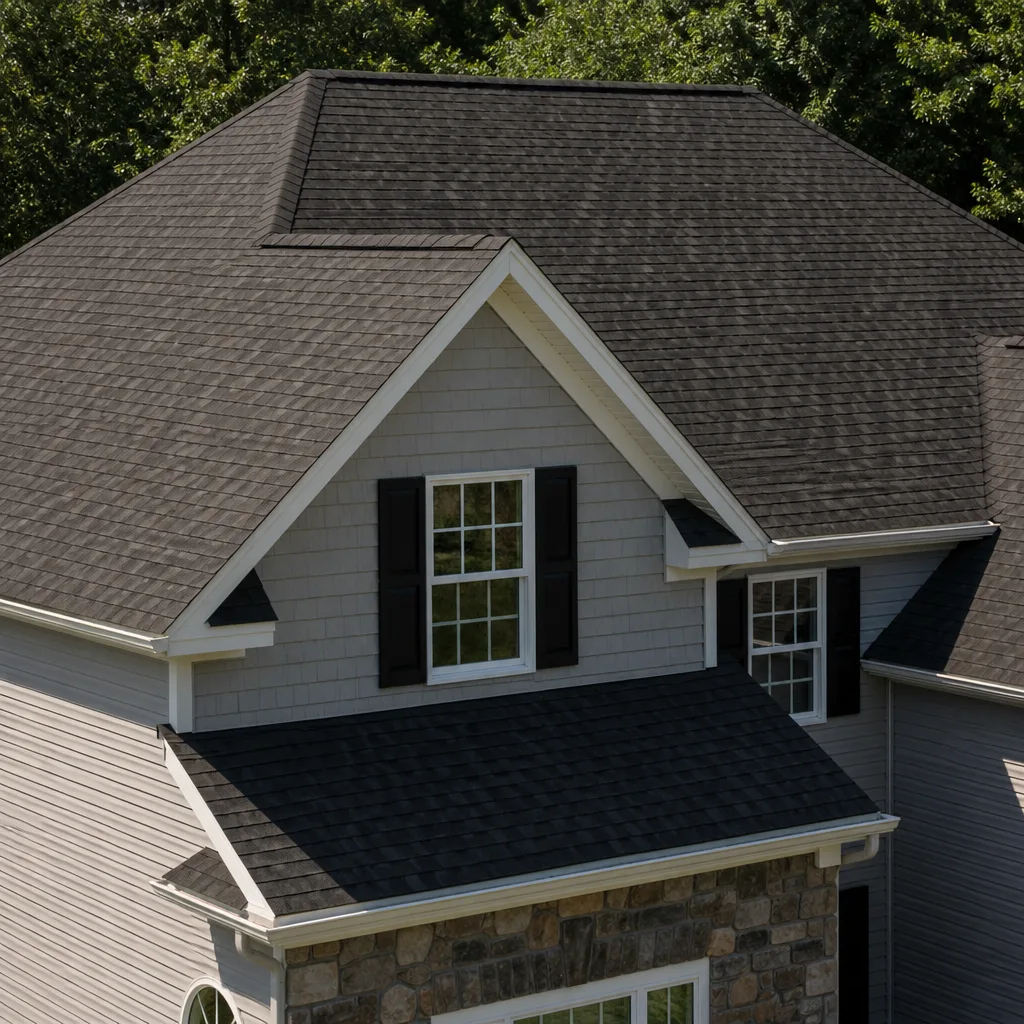 Architectural shingles
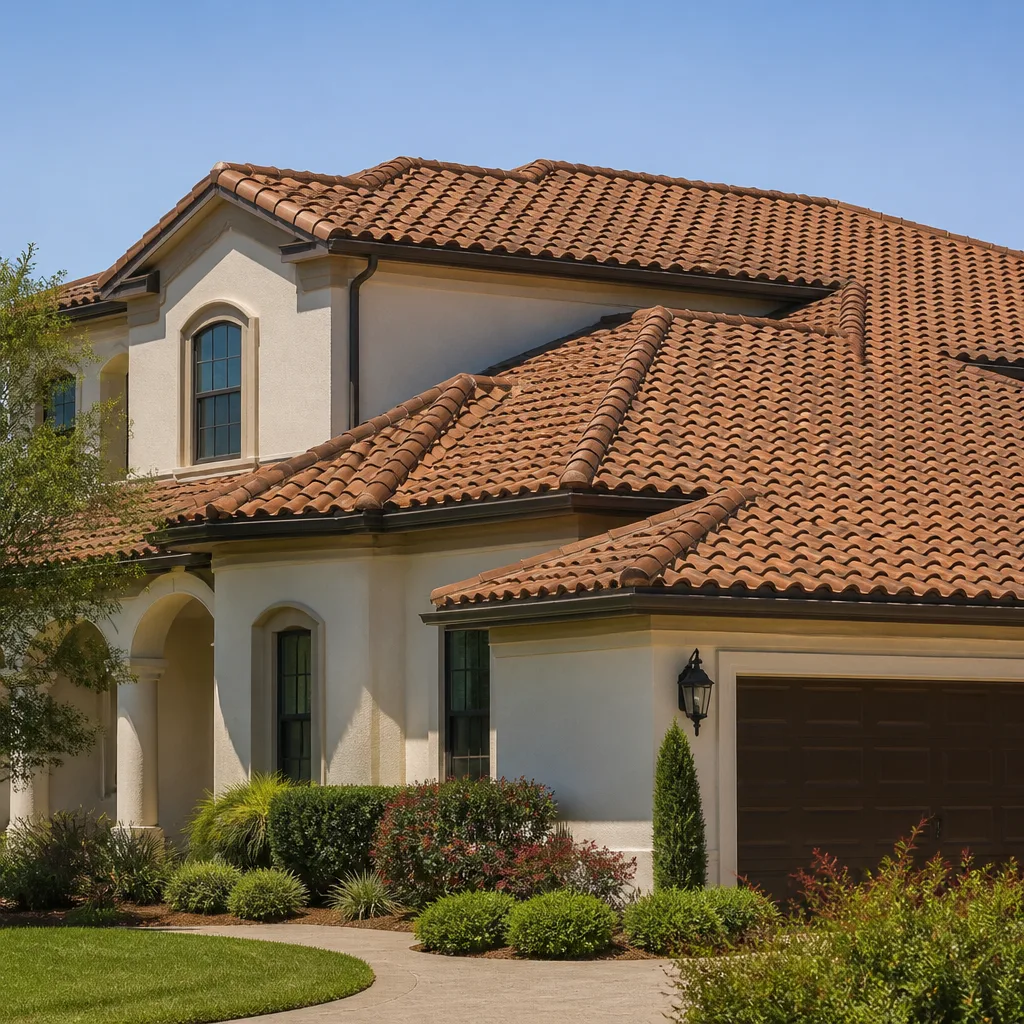 Tile roofing
 GAF
GAF Owens Corning
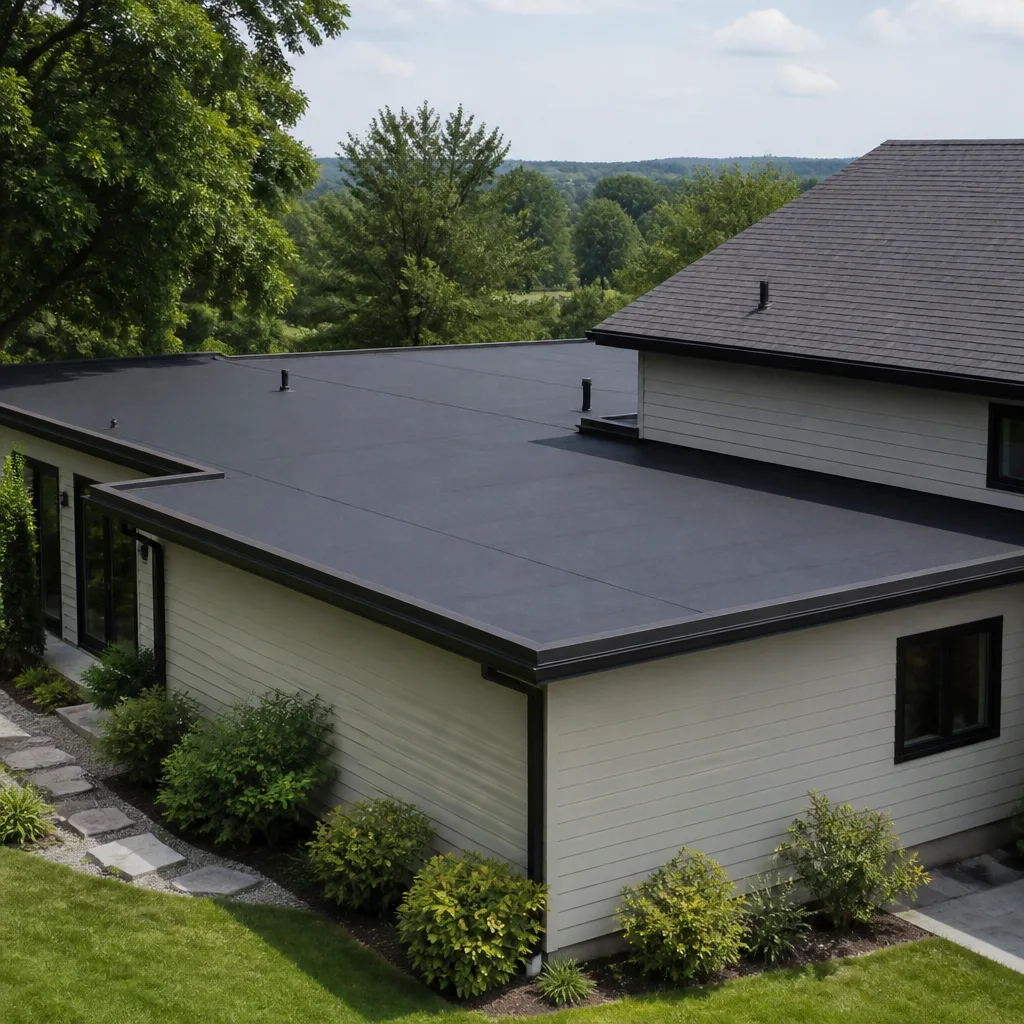 Flat & low-slope
Free roof inspection with deck photos before we talk money - GAF and Owens Corning certified installation
DIY vs Professional Roofing: The Sacramento Homeowner’s Decision Guide
The DIY roofing debate in Sacramento isn’t really about skill. It’s about what happens after the work is done. A homeowner who replaces five broken tiles correctly and saves $400 has potentially voided the workmanship warranty on their entire roof, because California law ties warranty protections to licensed contractor work, not to how well the job turned out. This guide walks through where the legal line sits, which tasks actually make sense to do yourself, and what a realistic cost calculation looks like in Sacramento’s specific market. You’ll leave knowing exactly when to pick up a hammer and when to pick up the phone.
Quick Answer
Most roofing work in Sacramento legally requires a licensed C-39 contractor to maintain insurance coverage and warranty rights, but true maintenance tasks like gutter cleaning and visual inspection are fine for homeowners to handle. If the work involves a repair, replacement, or anything that touches the roof’s waterproofing layer, hire a licensed professional or risk voiding your homeowner’s insurance claim and the workmanship warranty on your last professional roof job.
Styles & brands we work with
Table of Contents
- Where California Law Draws the Line
- What Your Insurance Policy Actually Says About DIY
- Tile Roofs in Sacramento: Why Walking Wrong Costs More Than the Fix
- The True Cost of DIY Roofing in Sacramento
- The Middle Path: Tasks That Actually Make Sense to DIY
- When Previous DIY Work Shows Up During an Estimate
- Material Reality: What You Can’t Get at the Big Box Store
- Common Mistakes to Avoid
- When to Call a Professional
- Frequently Asked Questions
Where California Law Draws the Line
California’s Contractors State License Board (CSLB) requires a C-39 roofing license for any work that involves “the installation, repair, or alteration of any roof covering.” That’s the legal language, and it’s broad. The moment a task involves removing, replacing, or altering the material that keeps water out of your house, you’re in licensed-contractor territory. In Sacramento, where a significant portion of homes have tile roofs installed between the 1980s and early 2000s, this line matters more than most homeowners realize.
The CSLB’s threshold is based on the work’s function, not its size. Replacing one broken tile is legally no different from replacing an entire roof when it comes to licensing requirements. The same rule applies to work done by a “handyman” without a C-39 license. Even if the repair is small, the law classifies it as roofing work, and unlicensed work carries consequences for the person performing it and for you as the homeowner.
There’s one meaningful exception: routine maintenance that doesn’t affect the roof’s waterproofing function. Cleaning gutters, removing debris, and visually inspecting from the ground or from a ladder without stepping onto the roof surface itself are all fine for homeowners to handle. The line sits between “maintenance” and “repair.” Once you’re lifting, replacing, or resealing roofing material, you’ve crossed into work that California law reserves for licensed contractors.
What Requires a C-39 License in Sacramento
- Replacing broken, cracked, or slipped tile
- Repairing or replacing underlayment, flashing, or drip edge
- Applying any sealant, coating, or adhesive to the roof surface
- Replacing section of decking or sheathing
- Any repair to roof penetrations like vents, skylights, or pipe collars
- Installing or replacing ridge cap, valley flashing, or fascia board
What Homeowners Can Legally Do
- Clean gutters and downspouts
- Remove debris from the roof surface using a broom from a ladder, without walking on the roof
- Visually inspect from the ground or a ladder
- Trim overhanging tree branches away from roof edges
- Document damage with photos for a contractor’s estimate
- Remove items attached to the roof surface, like satellite dishes or old antenna mounts, if they’re not integrated into the waterproofing layer
The distinction matters because Sacramento’s building department is active in enforcing contractor licensing requirements. If an unlicensed worker causes damage or a fire, your homeowner’s insurance claims process gets complicated. More on that below.
What Your Insurance Policy Actually Says About DIY
Most Sacramento homeowner insurance policies contain language that requires repairs to be done by a licensed professional, and the threshold isn’t the size of the work. It’s whether the repair was executed by someone with the proper licensing. The policy language typically reads something like “work must be performed by a licensed and qualified contractor” in the sections covering roof damage and subsequent water intrusion claims. If you DIY a repair and the roof later leaks, the insurer can point to the unlicensed work as the cause and deny the claim.
This isn’t a hypothetical scenario. In our experience estimating roofs across Sacramento, we regularly encounter homeowners whose insurance claims have been complicated by prior DIY work. The adjuster doesn’t care that the five tiles you replaced look fine. They care that the work lacks a paper trail showing a licensed contractor performed it and stands behind it.
The warranty angle is equally important. California law codifies workmanship warranty protections under the Right to Repair Act (Civil Code section 895). When a licensed contractor installs, repairs, or replaces roofing, the warranties that accompany that work are enforceable through the legal system. When an unlicensed party does the work, those protections don’t exist. That means the $400 you saved on the five tiles could cost you the remaining 15 or 20 years of warranty protection on a roof that cost $22,000 to install.
A Tilehurst Roofing review of homeowner insurance language typically finds three areas where DIY work creates problems: cause-of-loss determination, water intrusion coverage, and post-claim repair requirements. In each case, the insurer’s first question is “who did the work.” If the answer is “I did,” the claim gets harder to resolve.
Tile Roofs in Sacramento: Why Walking Wrong Costs More Than the Fix
Sacramento’s dominant roofing material is tile, specifically concrete and clay tile installed during the building booms of the 1980s, 1990s, and 2000s. The neighborhoods tell the story: Natomas and Elk Grove are heavy with newer construction using lighter concrete profiles, while East Sacramento, Land Park, and Curtis Park have older homes with clay tile that’s been carrying Sacramento sun for decades. Tile is durable against the elements but fragile underfoot.
Walking on a tile roof incorrectly causes more damage than the original problem. Tile loads are distributed across the entire surface, and the weight of a person is concentrated on a two-square-foot area. When a homeowner steps on the center of a tile, the tile flexes and cracks. Step on a tile’s edge and you get a corner break. Step on a batten line and you might crack three tiles at once. The roof that had five broken tiles from a falling branch now has twelve broken tiles plus you’ve compromised the water channeling surface.
Professional tile roof access in Sacramento uses roof boards, ladder stabilization points, and weight distribution techniques. It’s not about being careful with individual steps. It’s about understanding where the batten lines sit, which tiles are supported, and how the interlocking system transfers load. That knowledge comes from doing it wrong a few hundred times and paying for the replacements.
There’s also the age factor. Tile underlayment in Sacramento roofs installed before 2000 is often original and nearing the end of its useful life. The tile on top may look fine while the waterproofing layer underneath has dried and cracked. When we do roof repair in Sacramento, we’re often finding that the visible tile damage is the smaller problem compared to what’s happening underneath. A homeowner replacing a broken tile on an older roof might be putting lipstick on a leaking roof.
The True Cost of DIY Roofing in Sacramento
The DIY calculation usually compares tile prices to contractor quotes and stops there. That’s the mistake. A complete Sacramento DIY cost calculation includes multiple hidden costs, several of which are unique to our local market. For context, see our more guides & resources.
Material Markup Without Contractor Accounts
Contractors in Sacramento buy through roofing supply houses like Beacon Building Products, SRS Distribution, and ABC Supply. Their volume pricing sits 15-40% below what you’ll pay at retail, depending on material. A homeowner walking into a Sacramento home improvement store to buy tile, underlayment, or flashing pays retail markup. The savings you calculate from “buying materials yourself” typically evaporates once you compare contractor material costs to your own.
Tool Rental and Specialty Equipment
Tile installation and repair requires specific tools: tile cutters or grinders, roof ladders, safety harnesses, roofing nailers, and a vehicle capable of carrying the materials. Tool rental in Sacramento runs $40-90 per day for the basics. A weekend DIY tile project on a two-story Natomas house needs likely two weekends and several trips for the right tools. That’s $200-400 in rental fees before you’ve pulled a single tile.
Permit Self-Filing Fees
Sacramento County and the City of Sacramento require permits for roofing work beyond basic repair thresholds. Filing your own permit means paying the fee, navigating the process, and scheduling inspections. The cost isn’t just the fee. It’s the time spent pulling together documentation, which historically contractors have senior staff members handle as part of their standard process.
The Cost of a Failed Inspection
Here’s the line item most DIY calculations miss entirely. Sacramento building inspectors fail roofing work at a higher rate than most other types of residential permits. When a homeowner self-files and fails inspection, the fix isn’t just correcting the one deficiency the inspector flagged. It’s paying for the re-inspection fee, which in Sacramento runs $200-350 depending on the jurisdiction, plus the time to make corrections. A licensed Sacramento roofer knows the local inspection standards, builds to them, and handles any corrections themselves. The homeowner who fails an inspection on a self-done repair eats that cost on top of the materials and tools already spent.
Real Numbers for a Sacramento Tile Tile Repair
- Contractor tile repair (5-10 tiles): $400-800
- DIY retail cost (tiles, mortar, underlayment patch): $180-300
- Tool rental for two weekends: $200-400
- Permit filing and inspection fees: $250-500
- Cost of additional tiles broken during DIY access: $40-120
- True DIY cost, all-in: $700-1,320
In other words, the DIY repair often costs more than the contractor repair before it’s even done. And the contractor repair comes with a written guarantee.
The Middle Path: Tasks That Actually Make Sense to DIY
The most financially rational DIY option in Sacramento isn’t doing roofing work yourself. It’s doing the preparation work that reduces billable contractor time. These tasks are legal, safe, and genuinely move the needle on your total project cost without touching the roof’s waterproofing system.
Before We Arrive: Homeowner Prep Tasks
- Clear gutters and downspouts. Clogged gutters back up onto the roof and complicate every repair. Clean them out the weekend before. This is pure labor cost elimination.
- Remove satellite dishes and old mounts. If you have a dish not connected to anything, remove it. Contractors charge for removal time. Dishes are bolted to the roof surface but rarely integrated into the waterproofing layer.
- Document existing damage with photos. Take clear photos of every broken tile, stained ceiling, and visible leak. Date the photos. This creates a baseline that protects both you and the contractor.
- Trim overhanging branches. Sacramento’s oak and elm trees constantly reach toward roofs. Trimming branches that touch the roof surface reduces damage risk and clears access for the work.
- Clear attic access. If the roofer needs attic access for leak tracing, clear the path and make sure the hatch opens freely. Attic time is billable time.
- Have your last roof documents ready. Purchase receipts, previous repair invoices, warranty documents. Any paper trail you can produce lets the contractor give a more accurate estimate.
These tasks typically save $200-600 on a Sacramento roofing project in labor and discovery time. That’s the realistic DIY savings, and it comes with zero warranty risk.
When Previous DIY Work Shows Up During an Estimate
We walk onto properties in Folsom, Roseville, and Sacramento proper and see prior DIY work on a regular basis. The tell-tale signs are consistent: tiles placed with the wrong adhesive, underlayment patches that don’t overlap correctly, flashing sealed with hardware store caulk instead of proper roofing sealant. It shows up during maybe one in six estimates. Here’s how disclosure affects your project.
The honest answer is that prior DIY work rarely changes the fundamental scope of a repair or replacement. A roof is a system, and our job is to bring the entire system back to functional condition. We don’t need to “report” the work to anyone unless we’re doing an insurance-covered repair and the DIY work is directly relevant to the claim. What we do need is to understand it. If a homeowner had a leak in 2019 and “fixed” it themselves, and now there’s a leak in a different area, the two are usually unrelated and we proceed normally.
What does change scope is DIY work that’s masking deeper damage. A homeowner might have patched a leak that was actually caused by failed underlayment, and now that underlayment has degraded further under the patch. In that case, the repair scope expands to addressing the underlying issue. We’ll tell you that in the estimate and show you photos. The written price we provide before any work includes everything, not just the visible damage.
The most important disclosure advice: if you did previous DIY work, tell us during the estimate. It doesn’t change your price negatively. It helps us understand what we’re looking at. When a homeowner surprises us with discoveries mid-project, that’s when scope changes and change orders happen. Getting it on the table up front keeps the written price accurate, which is the entire point of our roofing company in Sacramento approach. The Kingswell Way says the price is written before the work starts, and that only works when we know what we’re working with.
Material Reality: What You Can’t Get at the Big Box Store
Sacramento homeowners walking into a big box store to buy roofing materials are shopping from a limited shelf. The reality of the roofing material market is that serious material selection lives at supply houses, not retail stores. When we install a tile or shingle roof in Sacramento, we’re pulling from manufacturers like CertainTeed and Owens Corning, whose full product lines are not available at retail. You get access to maybe 15% of what a material actually offers when you buy retail.
That matters because Sacramento’s roofing needs are specific. Our summer heat requires underlayment rated for high temperature exposure. Our winter rain patterns demand flashing details that handle occasional heavy storm events. The material families from CertainTeed, IKO, Atlas, and Owens Corning each have different performance characteristics for exactly these conditions. A homeowner buying whatever is on the shelf is making a product decision based on what’s available, not what’s right for the roof.
Warranty coverage is the other material angle most homeowners don’t see. Manufacturer warranties on roofing materials are tied to installation by certified or approved contractors. Buy CertainTeed shingles retail and install them yourself, and the 50-year warranty is meaningless because CertainTeed’s warranty program requires credentialed installation. The materials are the same materials. The warranty only exists when the installation is verified by a manufacturer-approved contractor. That’s not marketing language. It’s how the warranty paperwork works.
Common Mistakes to Avoid
- Assuming “small repair” means “no license needed.” California law doesn’t care about the size of the repair. Replacing one tile is legally the same as replacing an entire roof when it comes to the C-39 licensing requirement.
- Walking the tile roof without load distribution boards. The most common cause of cracked tile in Sacramento is a homeowner or handyman stepping on the unsupported center of a tile. The repair that required 3 tiles now requires 12.
- Using hardware store sealant on flashing. Sacramento’s summer heat breaks down consumer caulk within two seasons. Proper roofing sealant is a different product designed for roof surface temperatures that hit 140 degrees in July.
- Skipping the permit on a repair that needs one. If a contractor tells you a permit isn’t needed and later work causes damage, your insurance claim gets complicated. When in doubt, ask the question in writing.
- Ignoring the underlayment because the tile looks fine. Tile protects the underlayment, but the underlayment is what actually keeps water out. On Sacramento roofs installed before 2000, the underlayment may be at end of life while the tile looks structurally fine.
- Comparing DIY material costs to a contractor’s total bid. Your retail material cost doesn’t include tools, time, permit fees, inspection fees, or the cost of fixing what goes wrong. Compare all-in costs, not the starting line.
- Not documenting everything before you start. Photos, measurements, dates. If you’re going to attempt any DIY work, document it. If the insurance company ever asks what was done and when, you need answers.
When to Call a Professional
Call a licensed Sacramento roofing contractor when the work touches the waterproofing layer, when the problem involves flashing, underlayment, or decking, when you see water stains on the ceiling, when multiple tiles are broken or slipped, or when the insurance company is involved in any capacity. If you’re not sure, call and ask. Tilehurst Roofing Sacramento offers free estimates in Sacramento, and our roof replacement in Sacramento consultation will tell you exactly what needs doing and what it costs before you commit to anything. Call (279) 348-3049.
Frequently Asked Questions
No. California’s Contractors State License Board requires a C-39 roofing license for any roofing repair, replacement, or alteration work, regardless of the size of the repair. Routine maintenance like gutter cleaning and visual inspection is legal to do yourself, but the moment you’re removing or replacing roofing material, you’re legally required to use a licensed contractor. Call (279) 348-3049 if you’re unsure which category your task falls into.
Potentially yes. Most Sacramento homeowner’s policies require repairs to be performed by licensed professionals, and an insurer can deny a water damage claim if it traces back to unlicensed repair work. The common pattern is a small DIY fix that later leaks, and the insurer uses the lack of licensed work as grounds to reduce or deny the claim.
Most tile repairs in Sacramento run $400 to $800 for a standard 5-10 tile replacement, including materials, labor, and any needed underlayment patching. Larger repairs with flashing work or decking replacement run higher. Call (279) 348-3049 for an exact quote on your specific repair, and you’ll get a written price before any work starts.
You can, but it’s rarely a good idea for an untrained homeowner. Tile roofs in Sacramento are commonly concrete or clay tile with interlocking profiles, and stepping on the unsupported center of a tile creates a crack. Most tile damage we repair was caused by someone walking on the roof incorrectly, not by weather. If you need a professional inspection, call (279) 348-3049 and we’ll look from the roof surface using proper equipment.
You can clean gutters, remove debris from the roof surface without walking on it, trim overhanging branches, visually inspect from a ladder, and document damage with photos. These tasks are legal, safe, and reduce the amount of billable contractor time on a project. The legal line is crossed when you start removing, replacing, altering, or sealing roofing material.
Yes. Every job begins with a written price in your hands before any work starts. That’s the Kingswell Way and it’s not optional. Call (279) 348-3049 to schedule a free estimate in Sacramento, and you’ll know exactly what the work costs before you make any decision.
The Bottom Line
The DIY roofing decision in Sacramento is a legal question before it’s a financial one. California’s licensing requirements mean that most roofing work can’t legally be done by a homeowner or an unlicensed handyman. And even if the work is done correctly, the warranty and insurance consequences can outweigh the savings. The financially smart DIY play in Sacramento is preparation: gutter cleaning, debris removal, photo documentation, and branch trimming. Those tasks save real money without touching your warranty. For the roof itself, call a licensed contractor. And if you’re in Sacramento, call Tilehurst Roofing Sacramento at (279) 348-3049 for a free estimate and a written price before any work begins.
Written by Greg Holloway, Owner at Tilehurst Roofing Sacramento, serving Sacramento since 2000.
See the difference
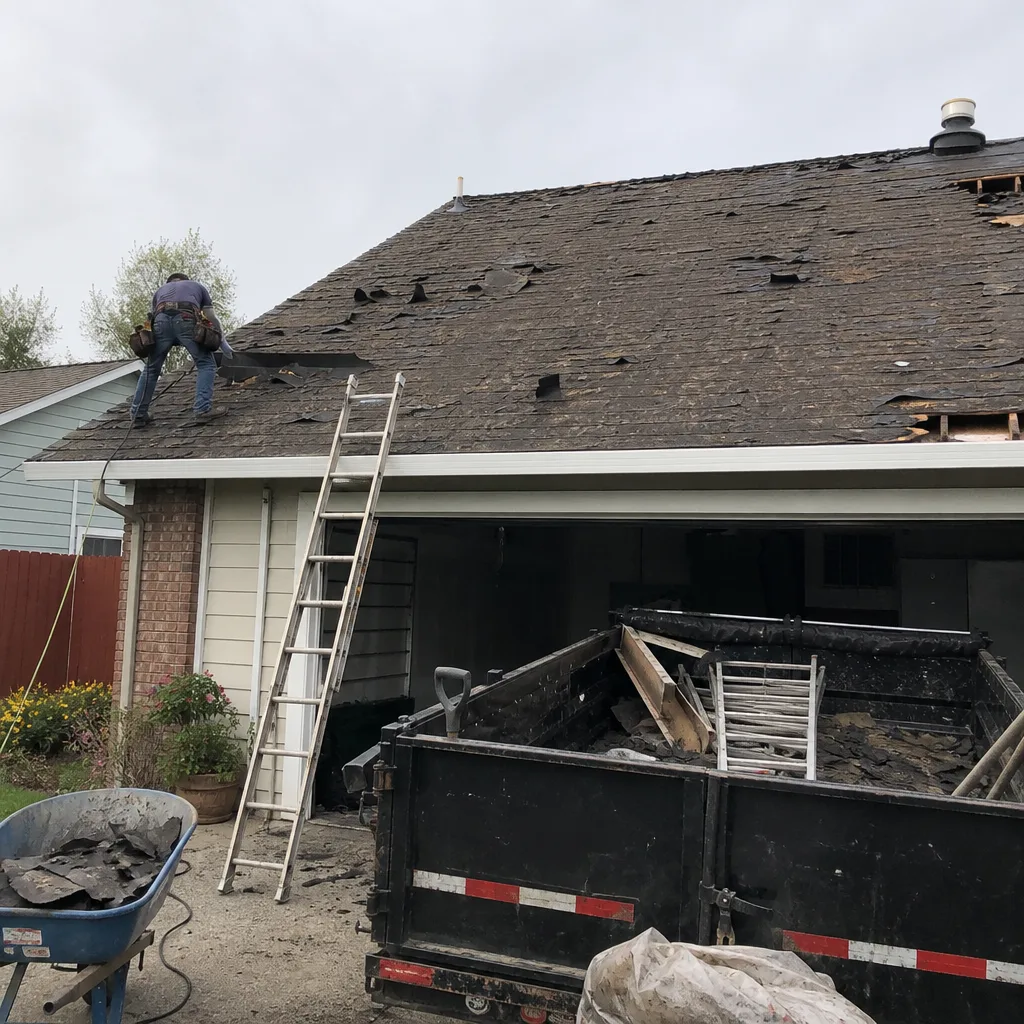 Before
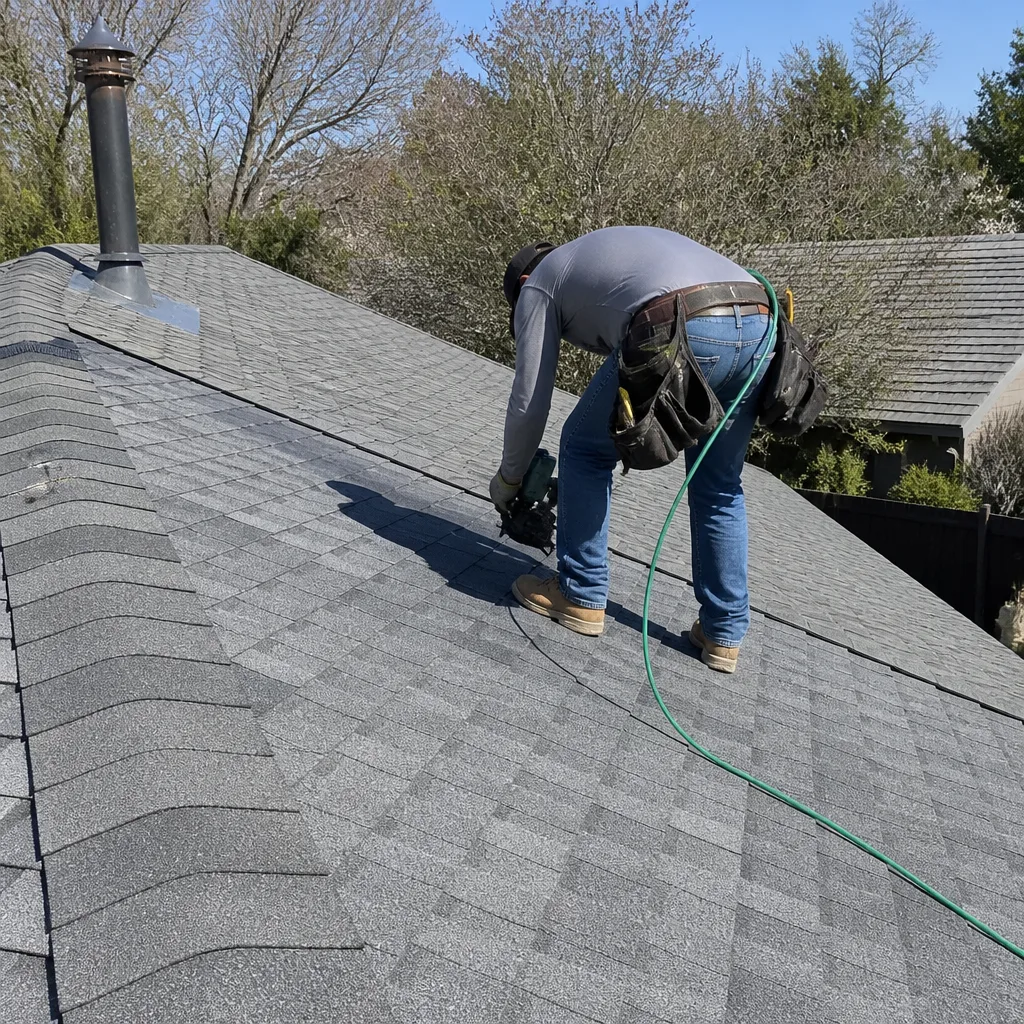 After
After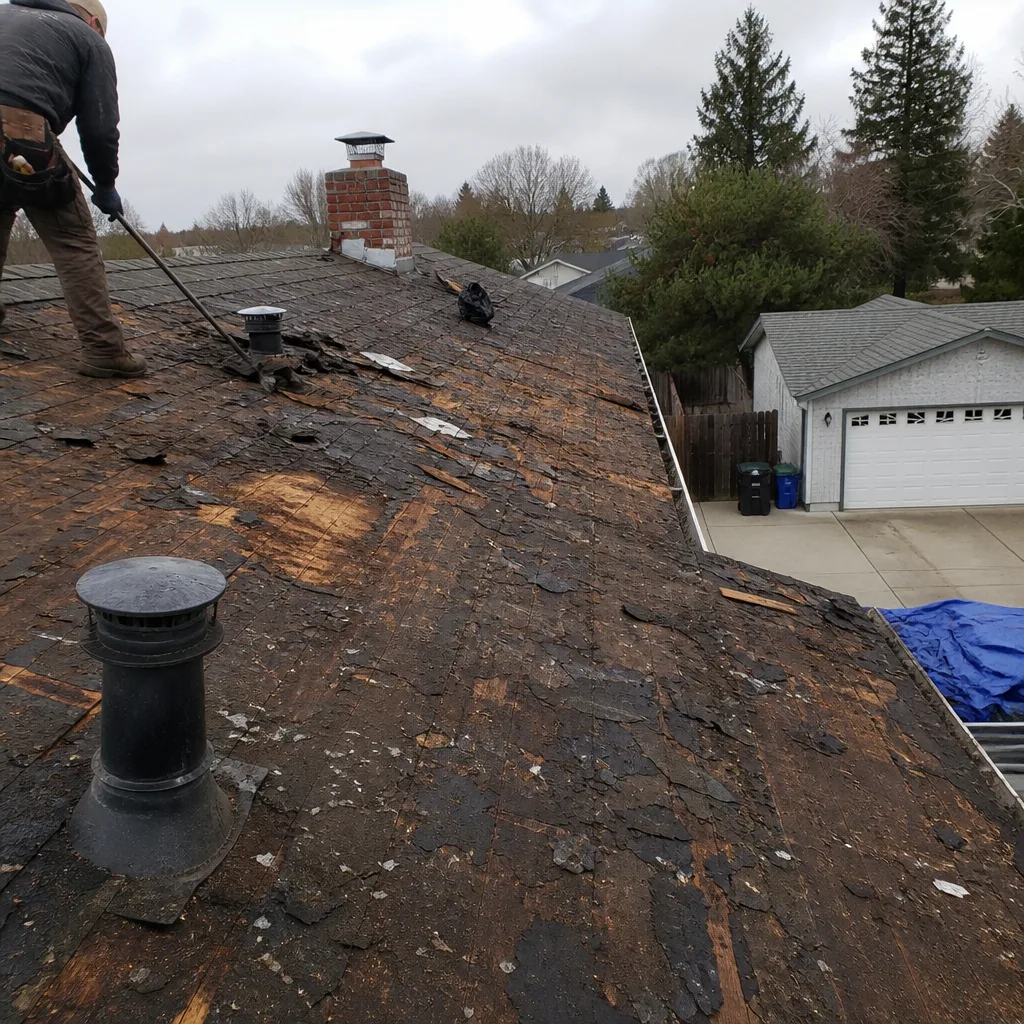 Before
 After
After Before
 After
After