
Last updated October 17, 2026
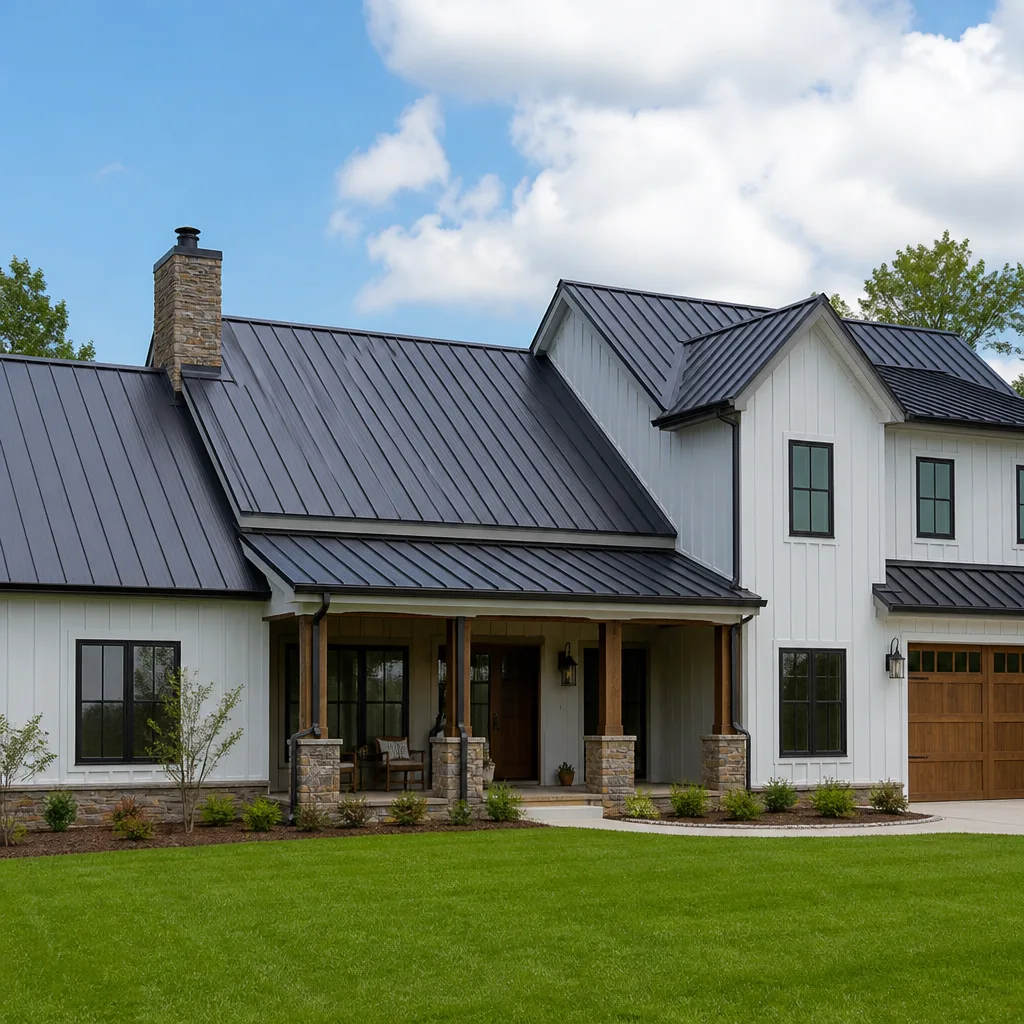 Metal roofing
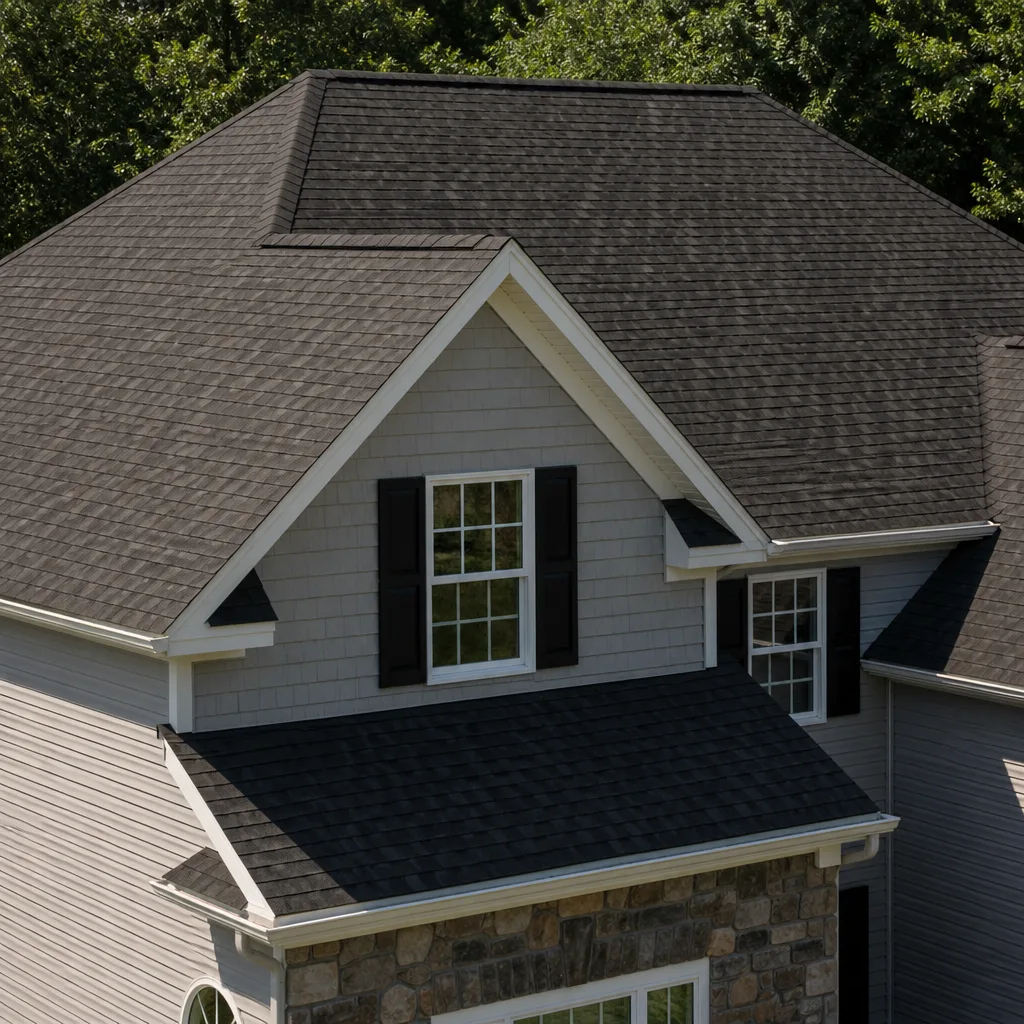 Architectural shingles
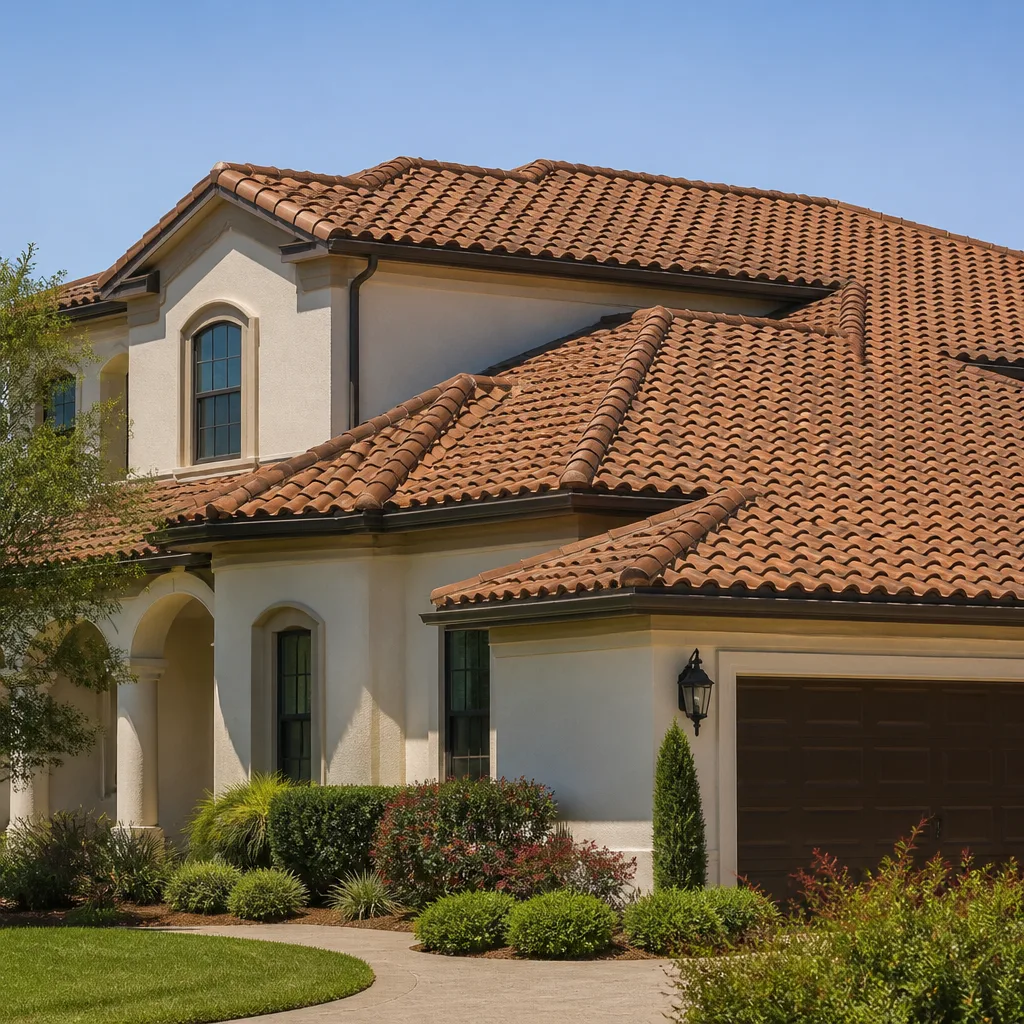 Tile roofing
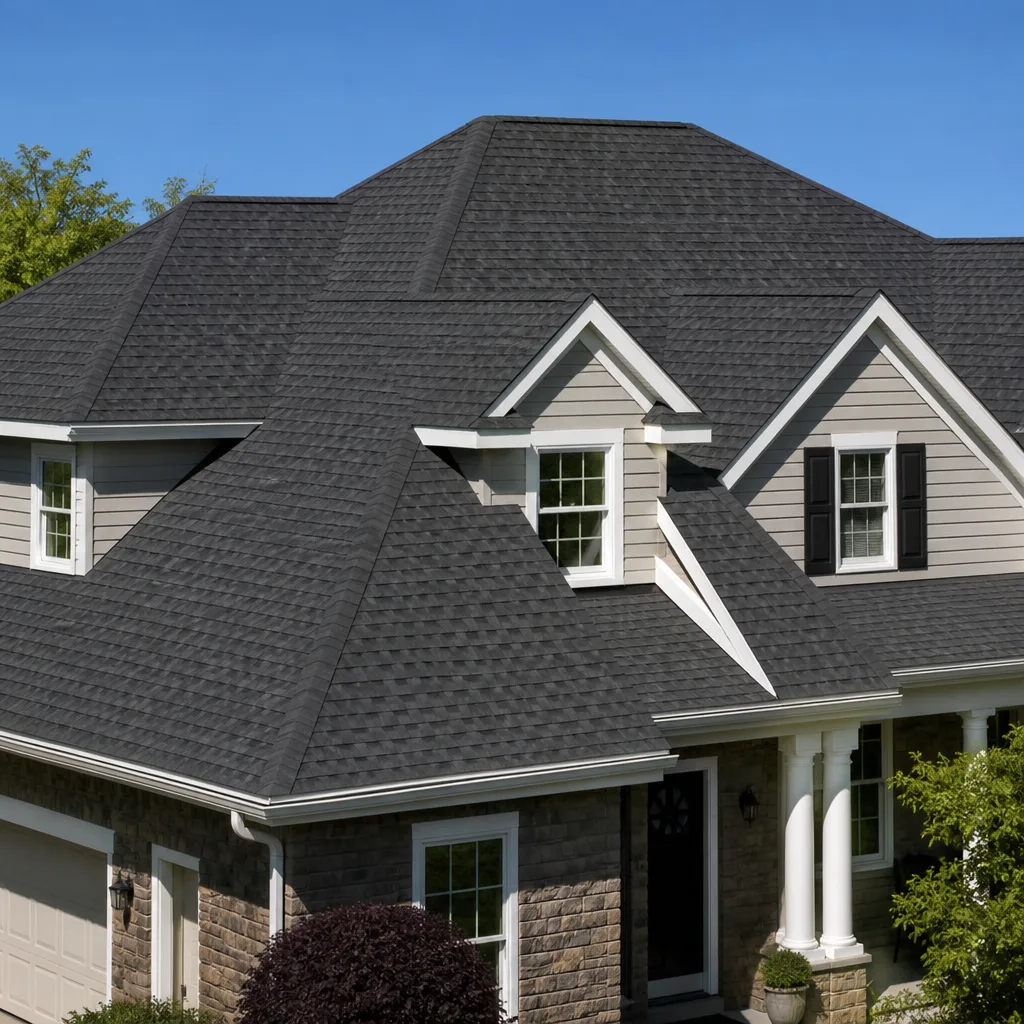 GAF
GAF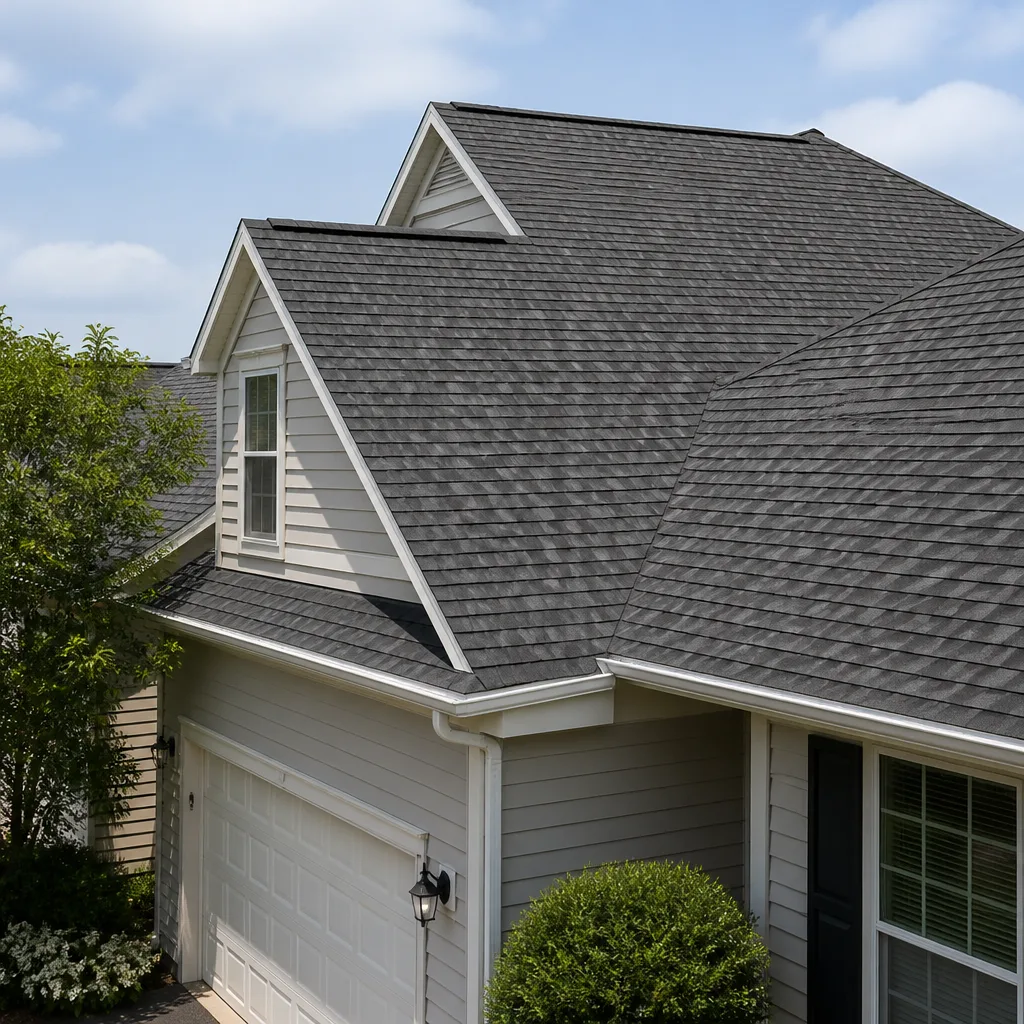 Owens Corning
 Flat & low-slope
Free roof inspection with deck photos before we talk money - GAF and Owens Corning certified installation
The Complete Guide to Roofing in Sacramento
Sacramento averages 73 days a year above 100°F, then drops into weeks of ground-level tule fog that holds moisture against roof surfaces for hours at a stretch. That thermal whiplash is harder on roofing materials than either extreme alone, yet most national guides treat this city like it’s just “hot and dry.” This guide maps every major roofing decision to Sacramento’s actual climate, its permit process, and the neighborhoods where we climb ladders every week. You’ll learn what materials actually hold up here, what repairs cost, and why some Sacramento roofs fail twenty years early, plus links to more guides & resources.
Quick Answer
Roofing in Sacramento means choosing materials that survive 100°F heat spikes, ground fog, and wind-driven debris, then hiring a contractor who pulls the right permits. Most Sacramento homes use asphalt composition shingles, with concrete tile common in older Elk Grove and Natomas tracts. A typical asphalt roof replacement runs $11,000 to $19,000 depending on size, pitch, and tear-off requirements.
Styles & brands we work with
Table of Contents
- Why Sacramento’s Climate Is Harder on Roofs Than You Think
- Roofing Materials That Actually Work in the Sacramento Valley
- Re-Roof, Tear-Off, or Recover: What Sacramento Inspectors Flag
- Wildfire Ember Resistance: It’s Not Just a Foothill Problem
- What Roofing Costs in Sacramento in 2025
- The Realistic Sacramento Roofing Timeline: First Call to Final Inspection
- Permits, Inspections, and Sacramento Code Requirements
- Signs Your Sacramento Roof Is Failing Faster Than It Should
Why Sacramento’s Climate Is Harder on Roofs Than You Think
Most roofing guides split the country into wet regions and dry regions. Sacramento refuses to pick a side, and that’s the problem. July brings a 105°F afternoon where the attic bakes and the shingle surface pushes past 160°F. January brings a 38°F morning with fog so dense it drips. Materials expand and contract through that swing hundreds of times a year, and every cycle is a small stress test no lab fully replicates.
We see the results in specific, predictable places. Asphalt shingles in south-facing exposures in Land Park and Curtis Park show granule loss years before shaded slopes. Flat roof membranes in Midtown develop cracks along seams where daytime heat expansion meets nighttime contraction. Tile roofs in Elk Grove, which should last fifty-plus years on paper, develop cracked flashings where the rigid tile doesn’t move but the underlayment beneath it does.
The tule fog deserves special mention. It rolls through the Valley on winter nights, sits in ground-level layers, and deposits moisture on every roof surface. That moisture works into micro-cracks opened by summer heat. Then the next heat spike vaporizes the trapped water, and the cycle repeats. A roof in Phoenix never deals with this. A roof in Portland never deals with the 105°F. A Sacramento roof deals with both, back to back, every year.
The practical takeaway: manufacturer lifespan ratings assume a stable, average climate. In Sacramento, factor in a five to fifteen percent lifespan reduction on most materials. That’s not pessimism. It’s what the thermal math says, and it’s why inspection timing matters here more than in most markets.
For a deeper look at how our team evaluates these conditions house by house, see our Roofing Company in Sacramento page.
Roofing Materials That Actually Work in the Sacramento Valley
Every material has a Sacramento-specific report card. Here’s what we’ve learned installing and repairing roofs across the city since 2000, and what the climate does to each option.
Asphalt Composition Shingles: The workhorse. About 70% of Sacramento reshingles use architectural-grade asphalt shingles, and for good reason: they handle thermal expansion well, cost less upfront, and install easily on the steep pitches common in East Sacramento and Fair Oaks. The Sacramento-specific caveat: choose a shingle rated for high wind if you’re in an exposed area, since Valley wind gusts in spring can peel poorly sealed tabs. Material brands we install regularly include GAF and CertainTeed, both of which offer lines specifically rated for extreme heat exposure. Expect 18 to 25 years of service here, not the 30 years printed on the wrapper.
Concrete Tile: You see it everywhere in older Elk Grove tracts built in the 1980s and 1990s, and across Natomas. Concrete tile handles Sacramento heat beautifully, and it’s the most fire-resistant common option. The problem is never the tile itself. It’s the underlayment, which bakes and dries out over 25 to 30 years while the tile above still looks new. When you buy a home with original concrete tile, check the underlayment condition before assuming the roof is fine. A tile roof in Sacramento can hide failing waterproofing for a decade.
Standing Seam Metal: Growing in popularity in newer Arden-Arcade and East Sacramento remodels. Metal reflects solar radiation better than any other common option, which keeps attic temperatures down during heat waves. It handles thermal expansion through engineered seams. The tradeoff is cost: metal runs two to three times the price of asphalt. For a homeowner planning to stay 20-plus years, the math often works. We also install metal systems from Owens Corning and IKO when the project calls for it.
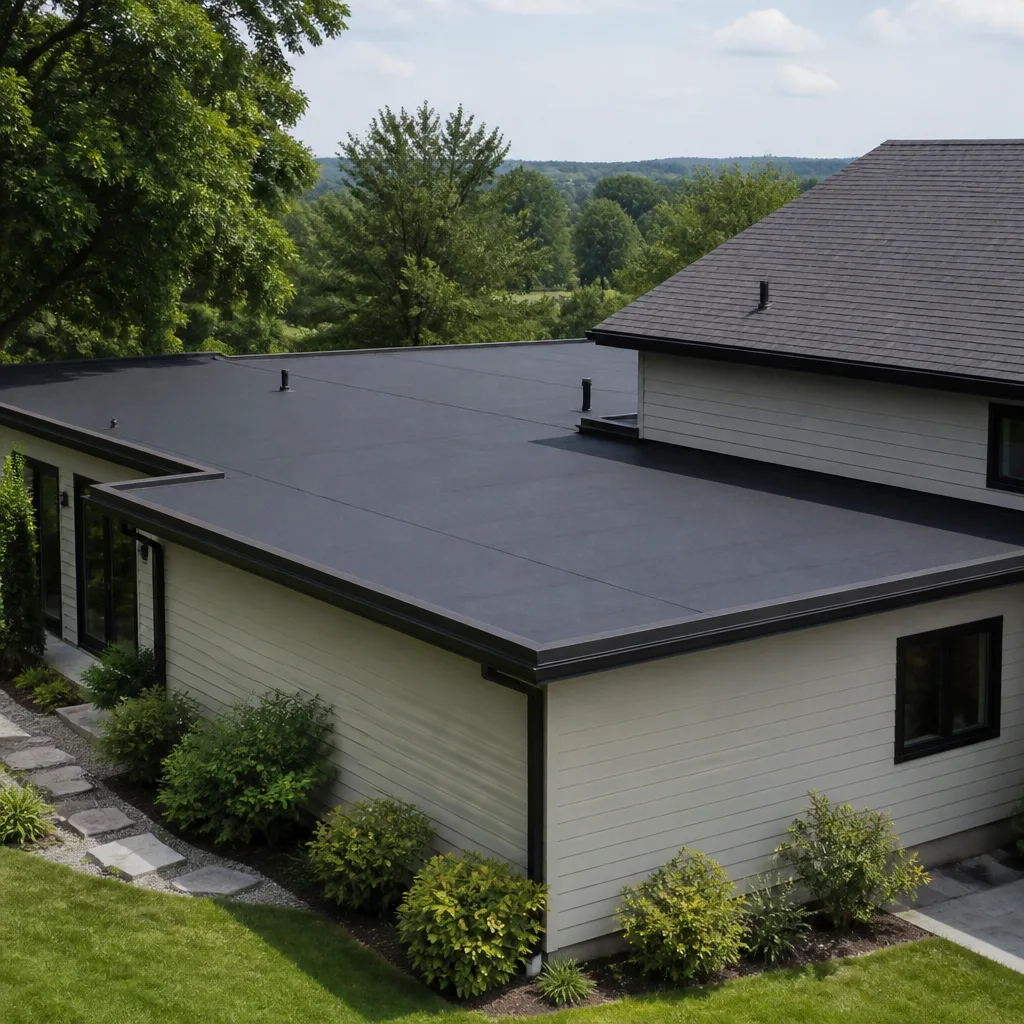
Flat Roof Membranes: Common in Midtown and downtown Sacramento on older homes with low-slope sections. TPO and modified bitumen dominate here. The Sacramento killer is UV exposure: membranes that should last 20 years often show cracking at 12 to 15 without regular maintenance. If you own a flat roof in Sacramento, annual inspection is cheap insurance.
Wood Shake and Shingle: You still see them in parts of Land Park and the Fab Forties. In Sacramento’s current code and fire environment, we do not recommend new wood roofs anywhere in the city. Wildfire ember risk isn’t the only reason; heat drying makes shakes brittle, and repair costs exceed replacement value quickly.
For homeowners weighing replacement options, our Roof Replacement in Sacramento guide explains which materials deliver the best long-term value per dollar.
Re-Roof, Tear-Off, or Recover: What Sacramento Inspectors Flag
These three terms describe very different jobs, and mixing them up leads to bad decisions and permit rejections.
A tear-off removes every existing layer down to the wood decking, then installs new underlayment and roofing. This is the full replacement. Sacramento building code requires a tear-off when there are already two layers of roofing on the structure, or when decking shows water damage. It’s the most expensive option and the only one that puts eyes on the actual wood sheathing.
A re-roof usually means removing one existing layer and replacing it. In practice, Sacramento homeowners use “re-roof” and “tear-off” interchangeably, but contractors quote them differently. Ask which one you’re getting.
A recover lays new roofing directly over the existing layer without removal. It’s legal in Sacramento only under specific conditions: one existing layer of asphalt shingles, no water damage beneath, and a roof structure that can handle the added weight. City of Sacramento inspectors flag recovers frequently because contractors skip the structural verification step. If the decking is compromised, a recover hides the problem and doubles your eventual replacement cost.
Here’s the numbered decision path we walk Sacramento homeowners through, starting with whether to go DIY or hire a professional:
- Get the roof inspected by a contractor who will show you decking condition, not just the shingle surface.
- Count existing layers. Two layers means a tear-off, no exceptions, per Sacramento code.
- Check the attic for decking stains or soft spots. Any water damage means tear-off.
- If one layer exists and decking is clean, ask about a recover as a budget option, but confirm the weight calculation in writing.
- Get the permit. Sacramento requires permits for both tear-off and recover work on residential roofs.
When repairs are the question rather than replacement, start with our Roof Repair in Sacramento page to understand what a repair vs. replacement looks like in real dollars.
Wildfire Ember Resistance: It’s Not Just a Foothill Problem
Sacramento sits inside what fire scientists call the wildland-urban interface zone. That doesn’t just mean homes in Folsom or El Dorado Hills. Much of the Sacramento Valley, including parts of Natomas, North Sacramento, and the southern city limits, receives ember-carrying winds during fire season. Embers travel miles. A roof’s ember resistance matters even if you can’t see a forest from your front door.
California Building Code Chapter 7A requires wildfire-resistant roofing in designated WUI zones, but many Sacramento city homeowners don’t realize their address falls inside the mapped boundary. The materials that pass: Class A asphalt composition shingles, concrete tile, metal roofing, and specific fire-rated underlayments.
The underlayment is where we see homeowners caught off guard. A Class A shingle installed over a non-fire-rated underlayment doesn’t deliver full ember protection. Sacramento inspectors increasingly check for the complete assembly: roofing material plus underlayment plus edge details. Gaps in the assembly, including open eaves or unprotected drip edges, create ember entry points.
If you’re planning a roof replacement in Sacramento, ask your contractor two questions: “Is my home in the WUI zone?” and “Will this assembly meet Chapter 7A requirements?” If the contractor can’t answer both in writing, keep looking. Our team checks the Cal Fire boundary maps on every Sacramento estimate, and we install only fire-rated assemblies that satisfy current code. Boral concrete tile and GAF’s fire-rated asphalt systems are common choices for homes in mapped WUI areas.
What Roofing Costs in Sacramento in 2025
Every homeowner asks the same question first. Here’s the honest answer, with the real numbers we quote on Sacramento jobs.
Roof Repair Costs
- Small leak repair (flashing or pipe boot): $350 to $750
- Valley or ridge cap repair: $500 to $1,200
- Shingle replacement (single area, under 100 sq ft): $600 to $1,400
- Flat roof patch (TPO or modified bitumen): $800 to $2,000
- Decking replacement (localized, under 50 sq ft): $900 to $1,800
Full Roof Replacement Costs
- Asphalt composition (1,500 sq ft home): $11,000 to $16,000
- Asphalt composition (2,500 sq ft home): $15,000 to $21,000
- Asphalt composition (3,500+ sq ft home): $19,000 to $28,000
- Concrete tile (full replacement, 2,000 sq ft): $22,000 to $38,000
- Standing seam metal (2,000 sq ft): $28,000 to $45,000
These ranges include tear-off, hauling, underlayment, standard flashing, and permit fees where applicable. Steep pitches, cut-up rooflines, and chimney or skylight work push toward the higher end. Sacramento has a wide spread in pricing because roof complexity varies dramatically even between homes on the same street. That’s also why we put every price in writing before any work starts. You should never hear a number changed at the door.
The Realistic Sacramento Roofing Timeline: First Call to Final Inspection
Here’s the step-by-step timeline we see on typical Sacramento asphalt replacements, assuming no major surprises.
- First call and scheduling (day 0-2): You call, a live person answers, and you schedule an inspection at a time that works within your week. No waiting for Monday.
- On-site inspection and written estimate (day 2-5): We walk the roof, check the attic, look at decking from inside, and hand you a written price covering the full scope. The price is the price.
- Permit submission (day 5-10): We pull the permit from the City of Sacramento or Sacramento County, depending on jurisdiction. Sacramento city permit review for standard re-roofs typically runs 1 to 2 weeks. County timelines are similar, though both can stretch during peak spring demand.
- Permit approval and scheduling (day 10-20): Once the permit clears, we schedule your roof. Spring and fall are the busiest seasons in Sacramento, so a 1 to 2 week wait is normal. Summer is often faster because fewer homeowners want a roof replacement in 100°F weather.
- Tear-off and installation (1 to 3 days): Most Sacramento asphalt replacements finish in one to two days. Concrete tile and metal run three to five. The crew removes old materials, inspects decking, installs underlayment and roofing, and cleans up before leaving.
- Inspection and sign-off (day 20-28): The city inspector walks the finished roof and signs off. We handle all inspection scheduling. You’re left with a written guarantee in hand before the crew packs up.
Total time from first call to final inspection: usually three to five weeks for a standard asphalt replacement in Sacramento. Larger or more complex projects add a week or two. If a contractor promises a same-week full replacement on a permitted job, be skeptical of what corners are being cut.
Permits, Inspections, and Sacramento Code Requirements
Sacramento requires building permits for roof replacements and most repairs that alter the roof assembly. Contrary to what some contractors imply, “it’ll be quicker without permits” is not a selling point. It’s a red flag. Unpermitted roof work creates problems when you sell the home, file an insurance claim, or undergo a refinance appraisal.
Here’s what a permitted Sacramento roofing job includes:
- Permit application and fee: Based on project valuation. Standard residential re-roof permits in Sacramento typically run $200 to $500, included in your written estimate.
- Underlayment inspection: In many Sacramento jurisdictions, the inspector checks the underlayment before shingles go on. This protects you because it means decking condition is verified.
- Final inspection: After installation, the inspector confirms code compliance including fire resistance, fastening patterns, and edge details.
Sacramento County and the City of Sacramento have different issuing offices and different quirks. County inspectors often focus on agricultural-area wind exposure. City inspectors look hard at historic district requirements in neighborhoods like the Fab Forties, where material and color choices face review. We handle both jurisdictions regularly and pull permits on every job as a matter of practice, not as an optional upsell.
Greg Holloway and the Tilehurst Roofing Sacramento team built our process around The Kingswell Way: say the price before the work, show up in the window we gave, leave the place cleaner than we found it, put the guarantee in writing, and come back if it fails. The permit is part of that. It’s documented accountability, not paperwork theater.
Signs Your Sacramento Roof Is Failing Faster Than It Should
Sacramento’s climate produces specific, recognizable failure patterns. Learn to spot them before a leak turns into a decking replacement.
Sacramento-Specific Warning Signs
- Granule loss concentrated on south and west slopes: That’s heat exposure. Sacramento UV levels strip granules, and when you see bare spots on one slope more than another, the roof is aging asymmetrically.
- Curling at shingle edges after winter: Moisture from fog cycles gets under the shingle edge, then spring heat curls it. Once curling starts, wind lift follows.
- Cracked pipe boots and flashing before the roof is 10 years old: Sacramento’s temperature swings harden flashing sealants fast. In our experience, flashing fails years before the field shingles do.
- Moss or algae on north-facing slopes in shaded neighborhoods like Land Park: Fog-adjacent moisture and tree canopy create conditions most people associate with the coast. Shaded north slopes in Sacramento grow moss surprisingly well.
- Attic heat you can feel through the ceiling in summer: That’s a ventilation problem. Sacramento attics need working ridge vents and soffit vents to move 140°F air. A roof without ventilation fails from the underside, even when it looks fine from the street.
The fix depends on what you find. Flashing repairs are cheap and quick. Widespread curling means the shingles are near end of life. Attic heat calls for ventilation work, not a new roof. A thorough inspection separates the “$600 fix” from the “$16,000 replacement,” and that’s the exact distinction a written estimate should make plain.
Common Mistakes to Avoid
- Skipping the attic inspection. A roof that looks fine from the outside can hide decking rot, animal damage, or ventilation failures that only show from inside. Any contractor who quotes a Sacramento roof without looking in the attic isn’t doing the job.
- Choosing the cheapest bid without comparing scope. Two Sacramento quotes that differ by $4,000 usually differ in underlayment quality, permit inclusion, or tear-off approach. Cheap bids that skip permits or reuse old flashing cost more within two years.
- Ignoring the WUI zone map. Many Sacramento neighborhoods fall inside wildfire ember zones. Installing non-fire-rated materials there risks code violations and insurance problems down the line.
- Assuming concrete tile equals waterproof. In Elk Grove and Natomas, we regularly find tile roofs with completely dead underlayment hiding beneath a beautiful surface. Tile is the armor, not the waterproofing.
- Waiting on a small leak. Sacramento’s alternating wet and dry cycles take a small flashing leak and turn it into a decking replacement inside one full year. The fog keeps the moisture active even when it’s not raining.
- Reroofing over a recover thinking it’s the same as a tear-off. If the existing decking is compromised, a recover seals the problem in instead of fixing it. Sacramento inspectors fail recovered roofs on compromised decking, and the homeowner pays twice.
See the difference
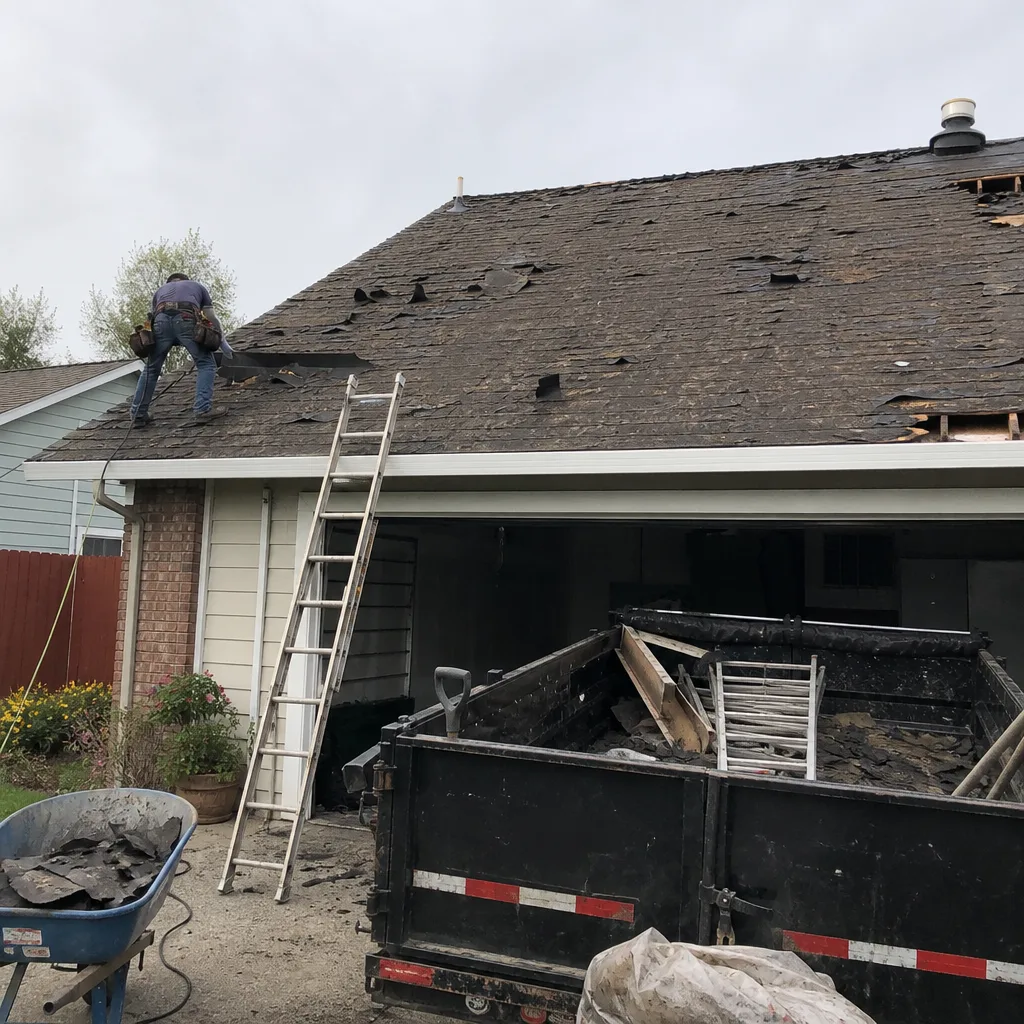 Before
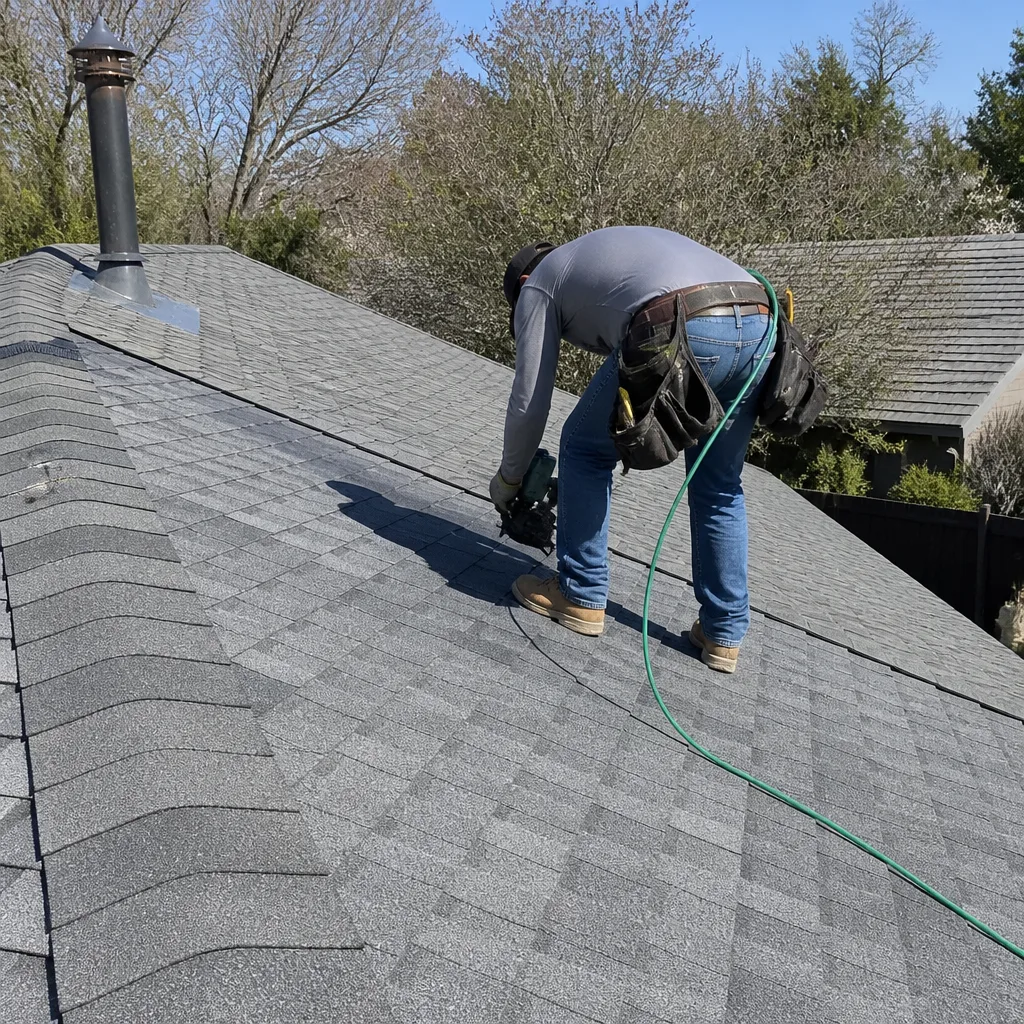 After
After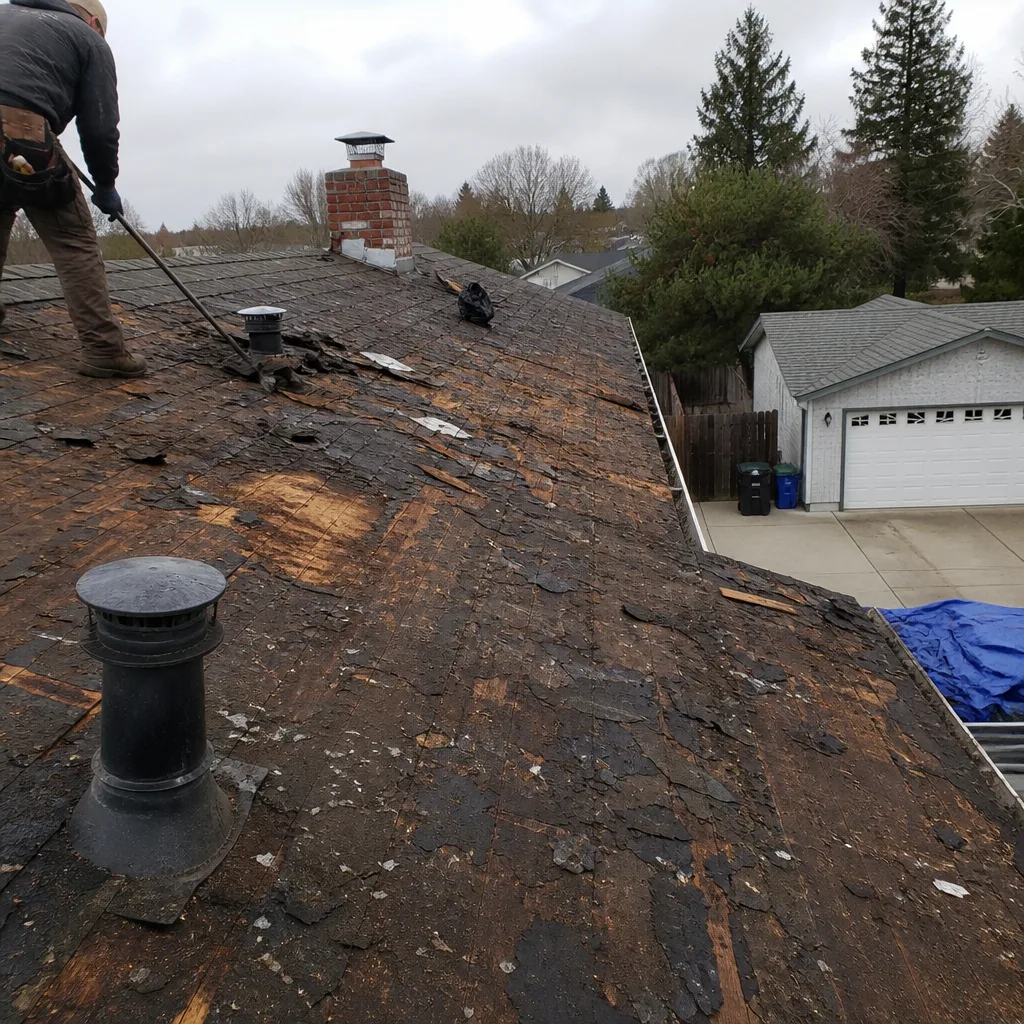 Before
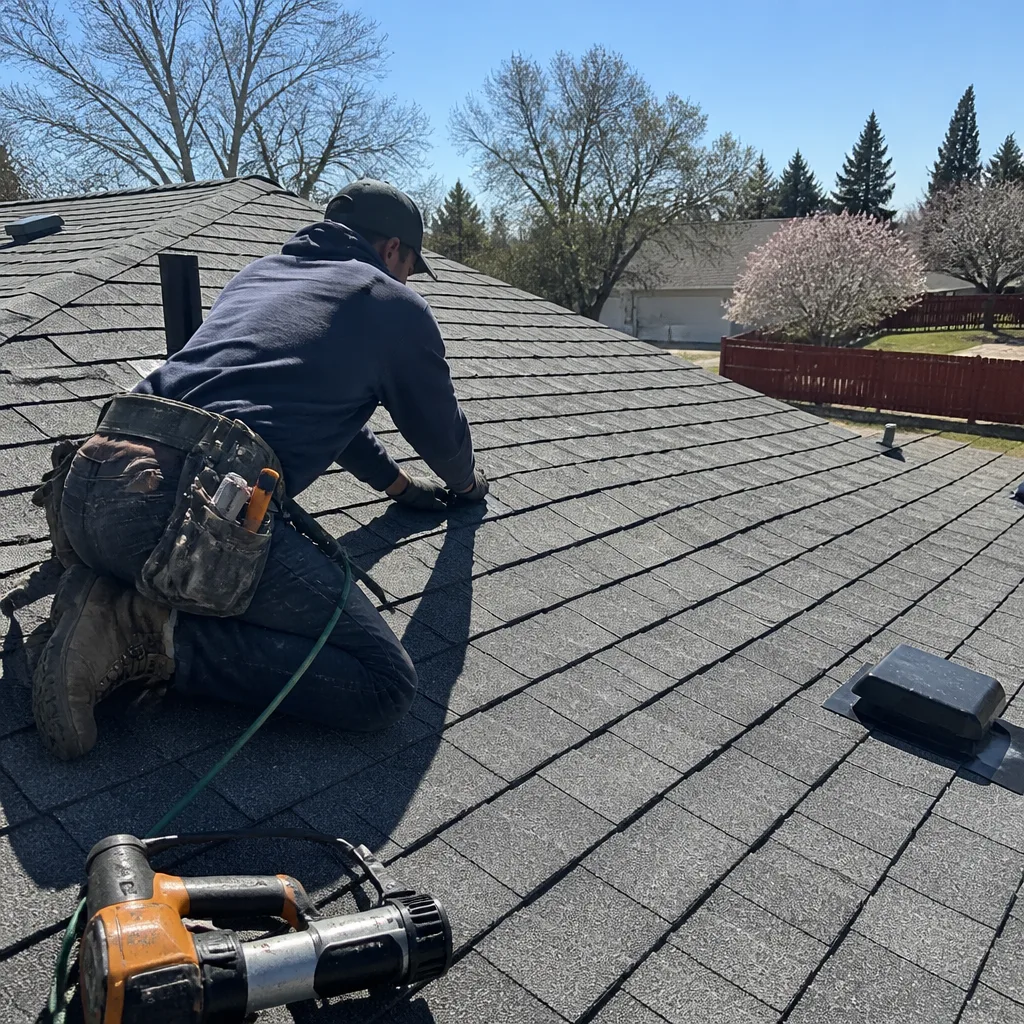 After
After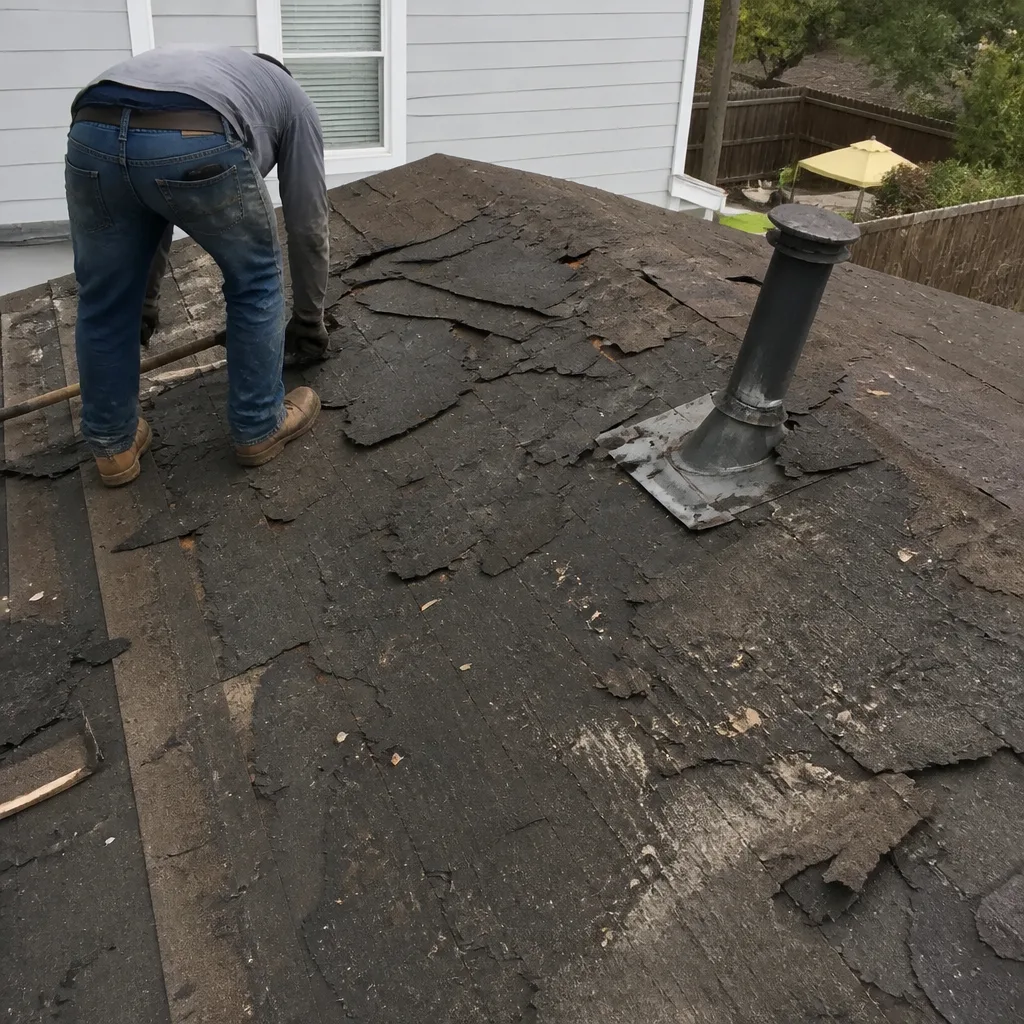 Before
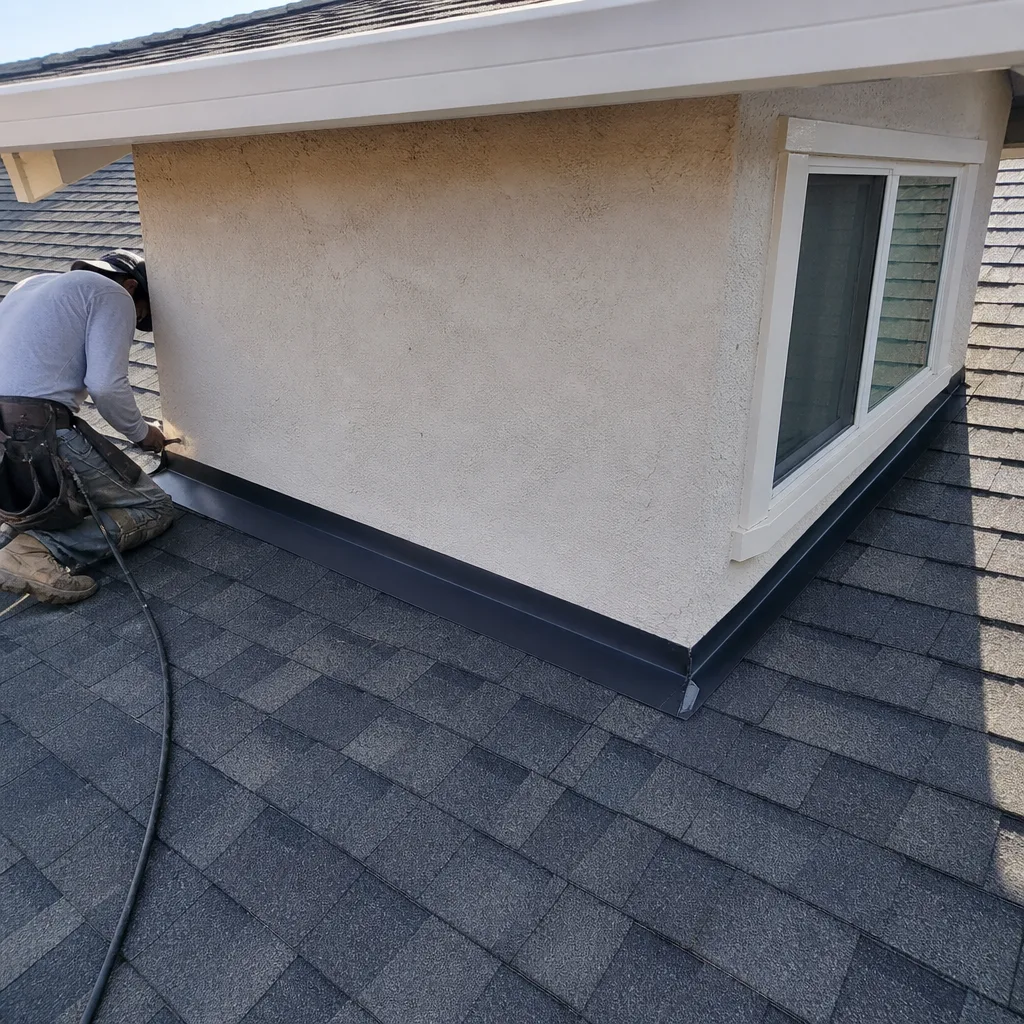 After
AfterWhen to Call a Professional
Call a roofer when you see water stains on your ceiling, curling shingles on more than one slope, granules in your gutters, or daylight coming through the attic boards. Call immediately if a storm blows shingles off, since exposed decking in a Sacramento rain soaks fast. And call if your roof is 20 years old and you’ve never had a professional inspection, because Sacramento’s climate hides failure until it’s expensive. Tilehurst Roofing Sacramento offers free estimates in Sacramento with a written price before any work begins. Call (279) 348-3049 to schedule yours, and a live person will answer, day or night.
Frequently Asked Questions
A new asphalt shingle roof in Sacramento typically costs $11,000 to $19,000 for most homes, with larger homes running higher. Materials like concrete tile and metal push the price to $22,000 or more. The exact number depends on square footage, pitch, tear-off needs, and material choice. Call (279) 348-3049 for a free written estimate on your specific home.
Sacramento’s heat spikes and tule fog reduce expected lifespan by five to fifteen percent compared to national averages. Asphalt shingles typically last 18 to 25 years here, concrete tile underlayment 25 to 30, and metal roofing 40-plus. Annual inspection helps you catch Sacramento-specific failure patterns early.
Yes. Sacramento requires permits for roof replacements and most roof repairs that alter the assembly. A permitted job includes inspections that verify decking condition and fire resistance compliance. Tilehurst Roofing Sacramento pulls permits on every applicable project.
Concrete tile and standing seam metal handle Sacramento heat best, with metal offering superior reflectivity. Asphalt composition shingles work well when installed with proper ventilation. The right choice also depends on your WUI zone status, roof pitch, and budget.
Permanent repairs need dry conditions to seal properly, but temporary protection can be installed during wet weather. Sacramento’s winter rain windows are short, so scheduling repairs between storms matters. Call (279) 348-3049 and we’ll assess what’s possible in current conditions.
Insurance typically covers sudden damage from storms, falling trees, or fire, but not normal aging. Sacramento insurers increasingly require proof that roofs in WUI zones meet fire-resistant standards. Documentation from a permitted, professionally installed roof helps with claims and policy renewals.
The Bottom Line
Sacramento roofs face a climate profile most national guides ignore: heat spikes, fog moisture, and wildfire ember exposure all at once. The right material choice, proper permitting, and honest inspection timing determine whether a roof lasts 15 years or 30. When you’re ready to talk specifics for your home, start with a written estimate. That’s our standard on every job from Tilehurst Roofing Sacramento home services to full replacements, and it’s how Greg Holloway has operated since 2000. Call (279) 348-3049 and a live person will answer.
Written by Greg Holloway, Owner at Tilehurst Roofing Sacramento, serving Sacramento since 2000.