
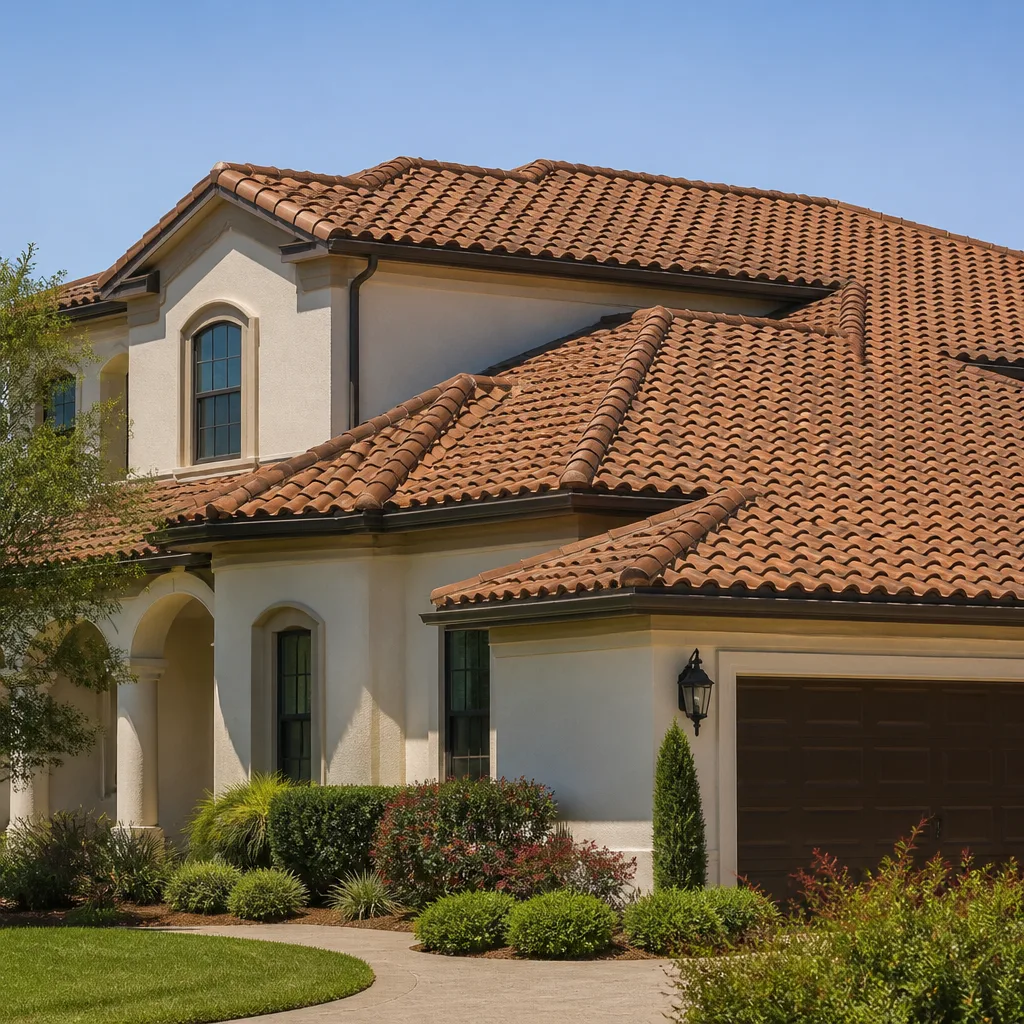
 Tile roofing
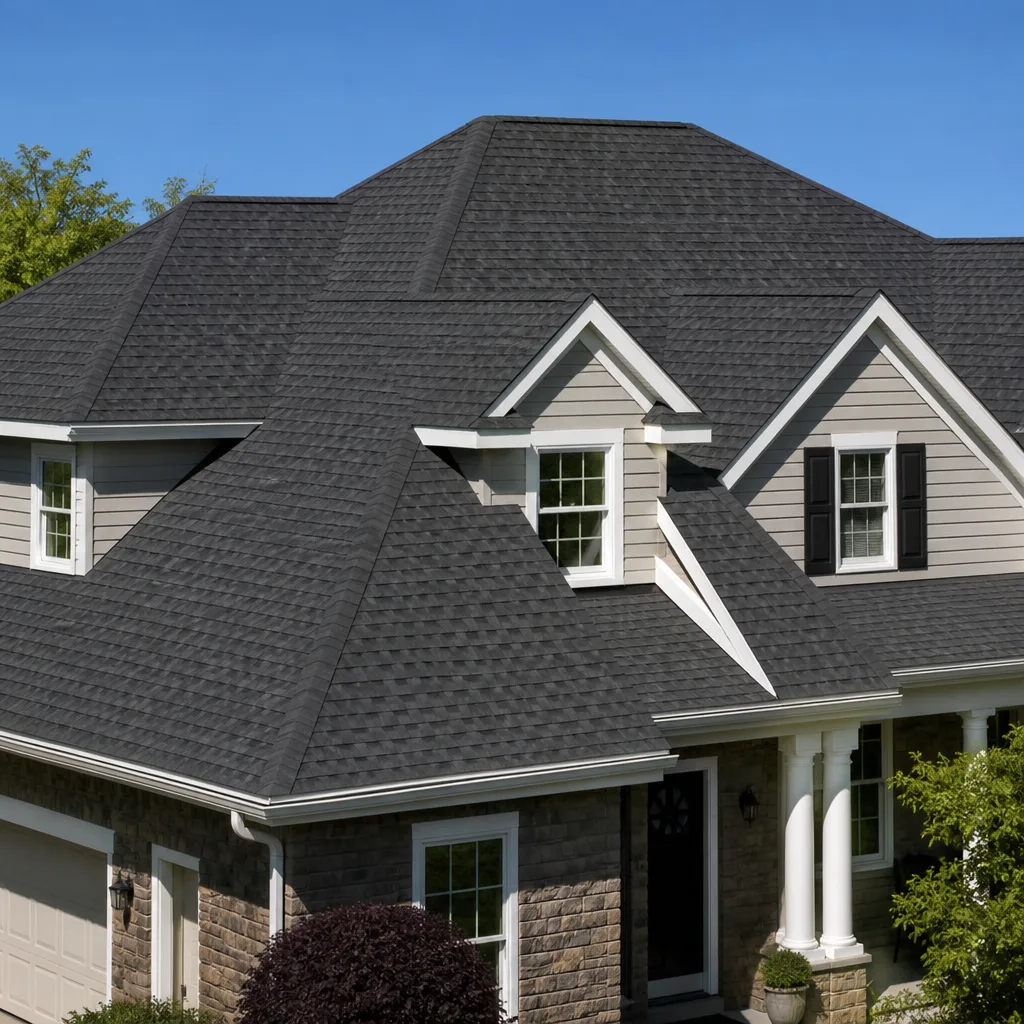
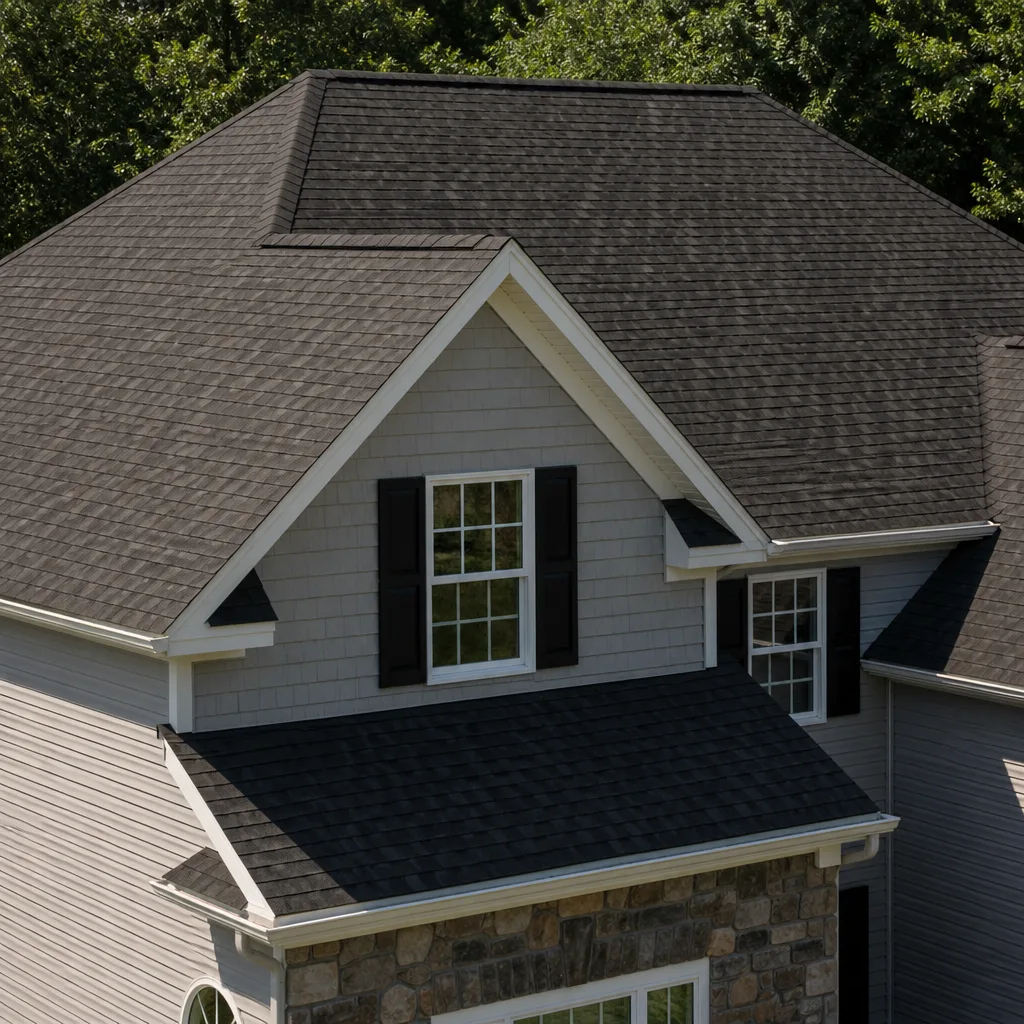 Architectural shingles
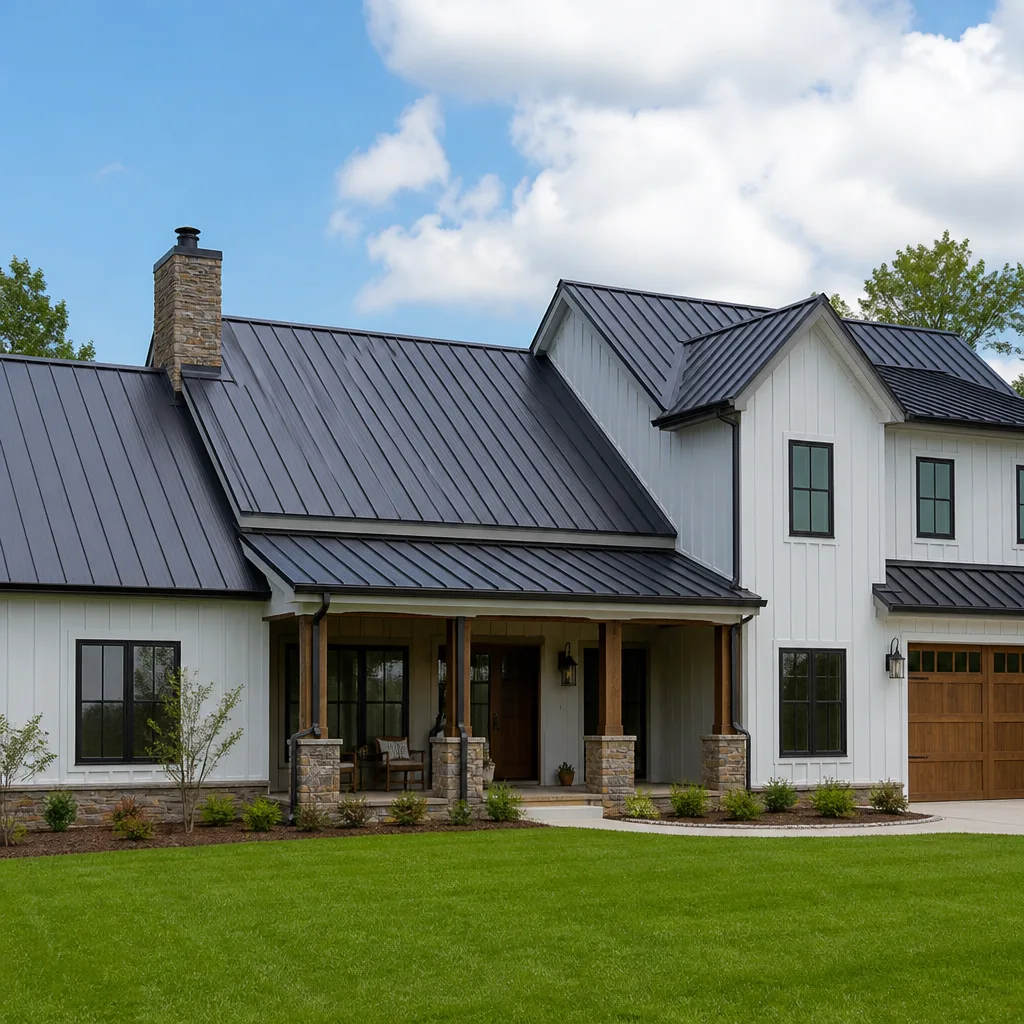 Metal roofing
 GAF
GAF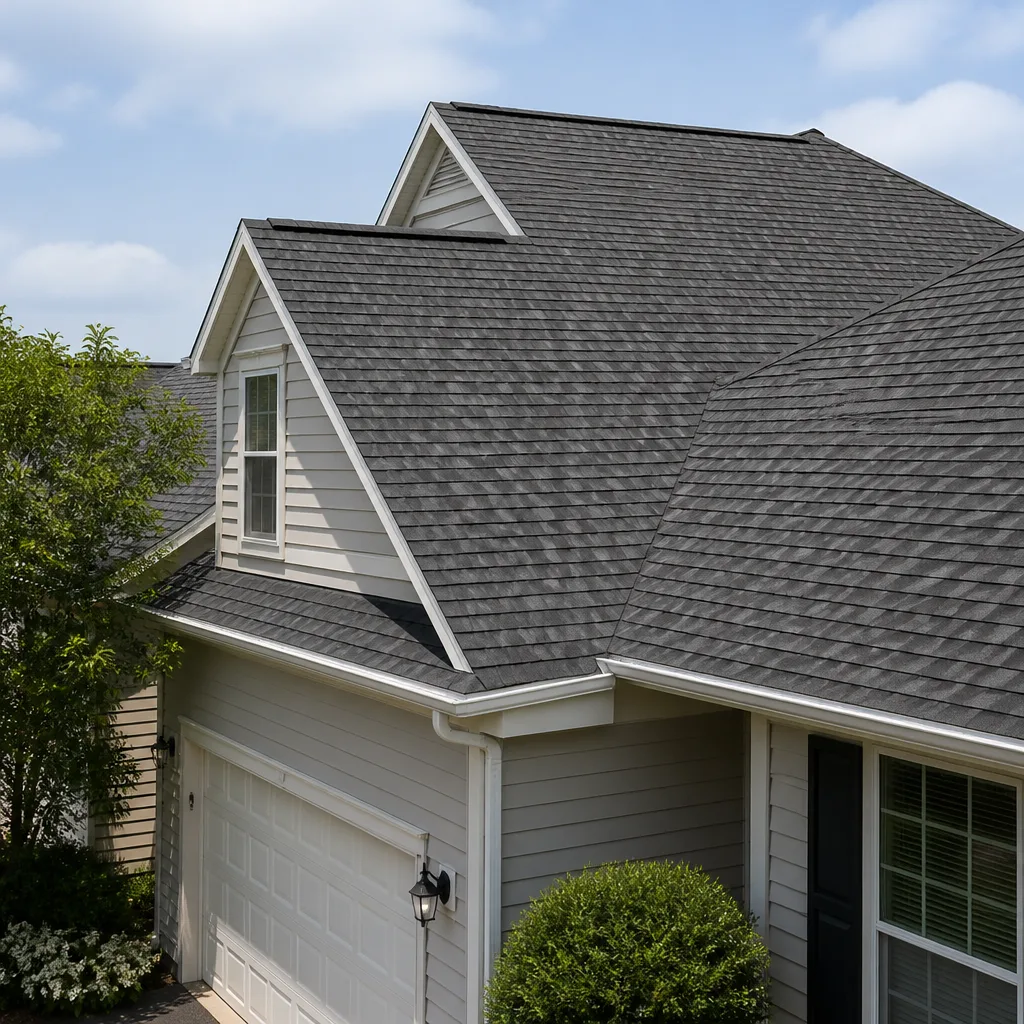 Owens Corning
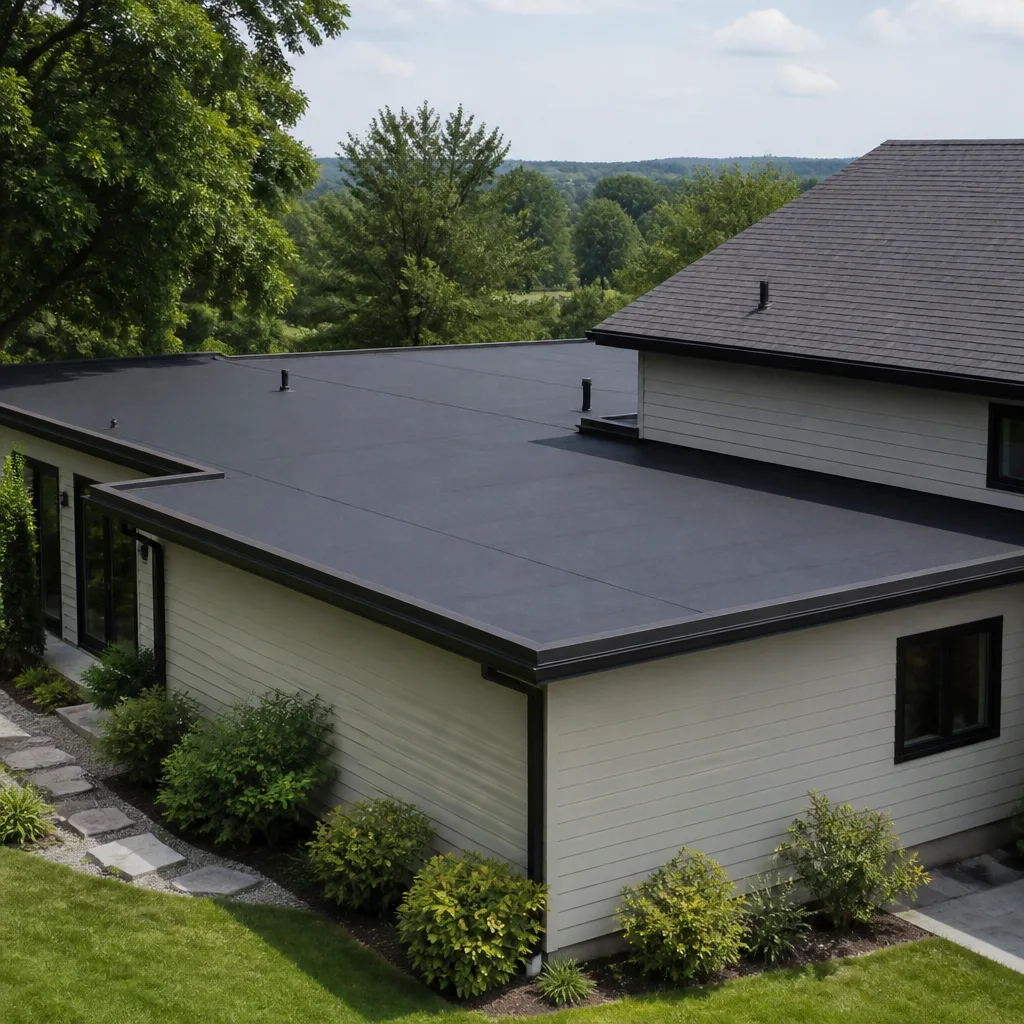 Flat & low-slope
Free roof inspection with deck photos before we talk money - GAF and Owens Corning certified installation
Atlas Ridge Vent Installation: The Sacramento Owner’s Guide
We stock and install Atlas ridge vent systems throughout Sacramento, and the typical installed price runs $450 to $900 for a standard 40-foot ridge line on a single-story home. Most swaps take half a day once we’re on the roof. Homeowners usually discover a failing Atlas ridge vent the worst way possible: a hot upstairs in July, a ceiling stain after the first real rain in November, or a roofer pointing at cracked plastic during an unrelated repair.
Atlas makes a solid ridge vent, but Sacramento’s specific weather pattern, which is to say months of 95-degree heat followed by sudden atmospheric-river rain, punishes plastic components faster than coastal climates ever will. That’s not a knock on Atlas. It’s just what this valley does to anything that sits on a roof line.
Which Atlas Models This Applies To
We work with the Atlas WeatherMaster and Atlas GlassMaster ridge vent lines most often in Sacramento. Both are roll-form vents, but they’re not interchangeable. The WeatherMaster uses a lower profile with an internal weather filter, and it pairs with Atlas shingle lines like Pinnacle and StormMaster. The GlassMaster runs wider and moves more air, which matters on steep roof pitches over 6/12 where heat traps at the peak.
The identification trick is simpler than most folks expect. Climb up with a flashlight and look at the underside end cap. Atlas molds the series name into the plastic there, along with the mold date. If that stamp is gone or unreadable, measure the vent opening from outer flange to outer flange. If it measures close to 11-1/4 inches, you’re looking at the WeatherMaster profile. If it’s closer to 12-1/2, it’s the GlassMaster. We carry both on the truck, plus the correct Atlas end caps and connector splices, because the plastic ages at different rates from the shingle and you don’t want a mismatched splice leaking at the seam.
One thing to know before we go further: Tilehurst Roofing Sacramento is an independent roofing contractor. We install Atlas products regularly and we’re one of the few shops in Sacramento that keeps genuine Atlas ridge vent stock on hand, but we’re not an Atlas-owned company. For homeowners, that’s a good thing. We can tell you honestly when aftermarket equivalents make sense and when they don’t. For Atlas ridge vents specifically, we recommend the OEM part. The tolerances on the end caps and the filter material are tighter than what we’ve seen on generic equivalents, and the price difference on a typical Sacramento roofline is rarely more than $40 to $60. That’s not worth the gamble of a roof leak in January.
Styles & brands we work with
Signs Your Atlas Ridge Vent Installation Is Failing
- Melted or warped vent plastic along the peak. Sacramento summer roof deck temperatures regularly hit 160 degrees. On an older Atlas vent, that heat breaks down the polymer and the vent starts to sag between the rafters. Once it sags, water pools instead of shedding, and the filter material inside begins to fail. This is the most common failure we see in Sacramento’s older neighborhoods like Elmhurst and Tahoe Park.
- Ceiling stains near interior walls, not under plumbing. Water from a failed ridge vent doesn’t drip straight down. It travels along the roof deck and shows up on ceilings several feet away from the actual leak. If you have a brown stain that appears only after wind-driven rain, the ridge vent is a prime suspect before anything else gets blamed.
- A hot upstairs that never used to be hot. Ridge vents work on a simple principle: heat rises and escapes through the peak, pulling in cooler air through soffit intakes. When the vent collapses or the filter clogs with pollen and dust (Sacramento has no shortage of both), the air just sits in the attic. Your upstairs bedrooms become the evidence.
- Granule buildup inside the vent opening. If you can see a ridge vent end cap from the ground with a ladder, take a look inside. Shingle granules collecting in the vent suggest water is flowing where it shouldn’t be, carrying the granules with it. Atlas vents don’t fail silently, they leave this kind of fingerprint.
- Nails backing out along the ridge cap shingles. Ridge vents create a thermal expansion and contraction cycle that’s more aggressive than a solid ridge. When the nails start pulling loose around year 12 to 15, especially on an Atlas vent installed in the early 2000s, the vent’s structural integrity is usually done. The nails didn’t fail. They’re telling you something.
See the difference
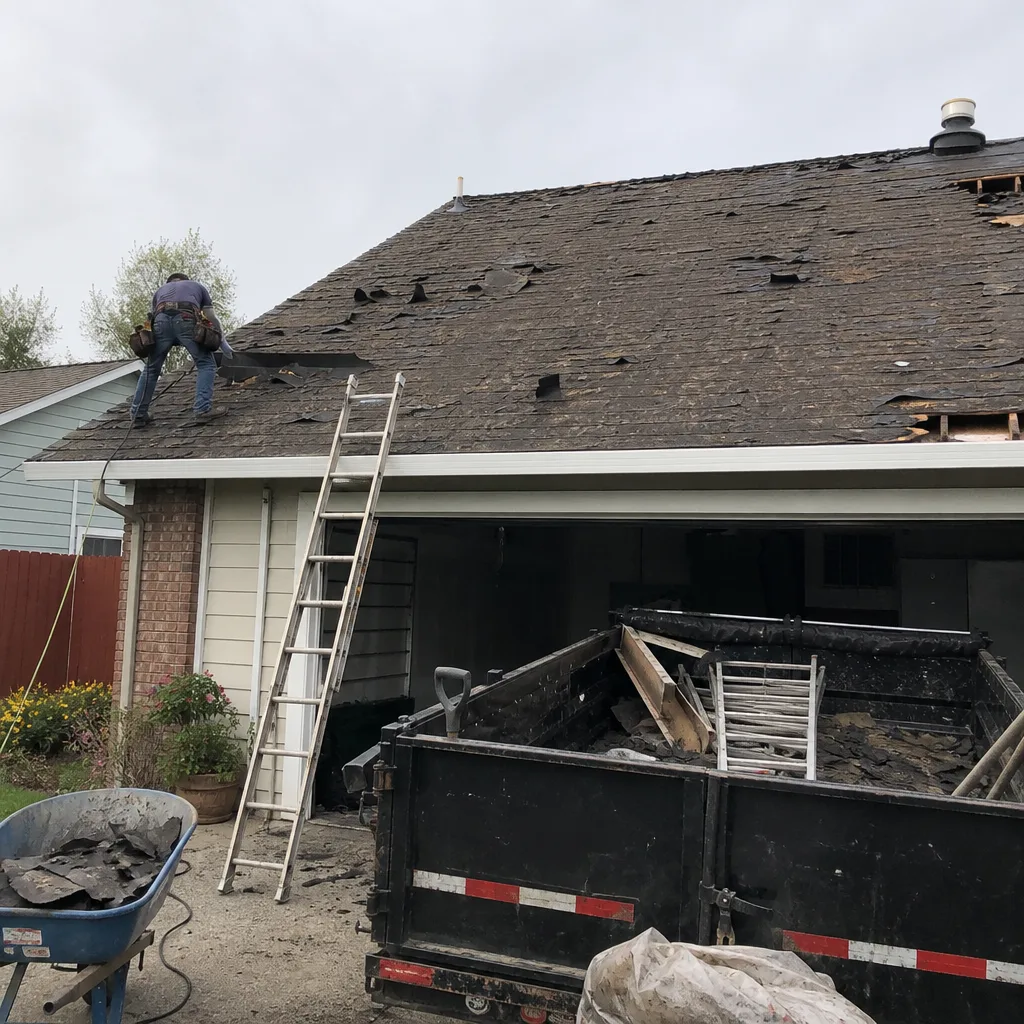 Before
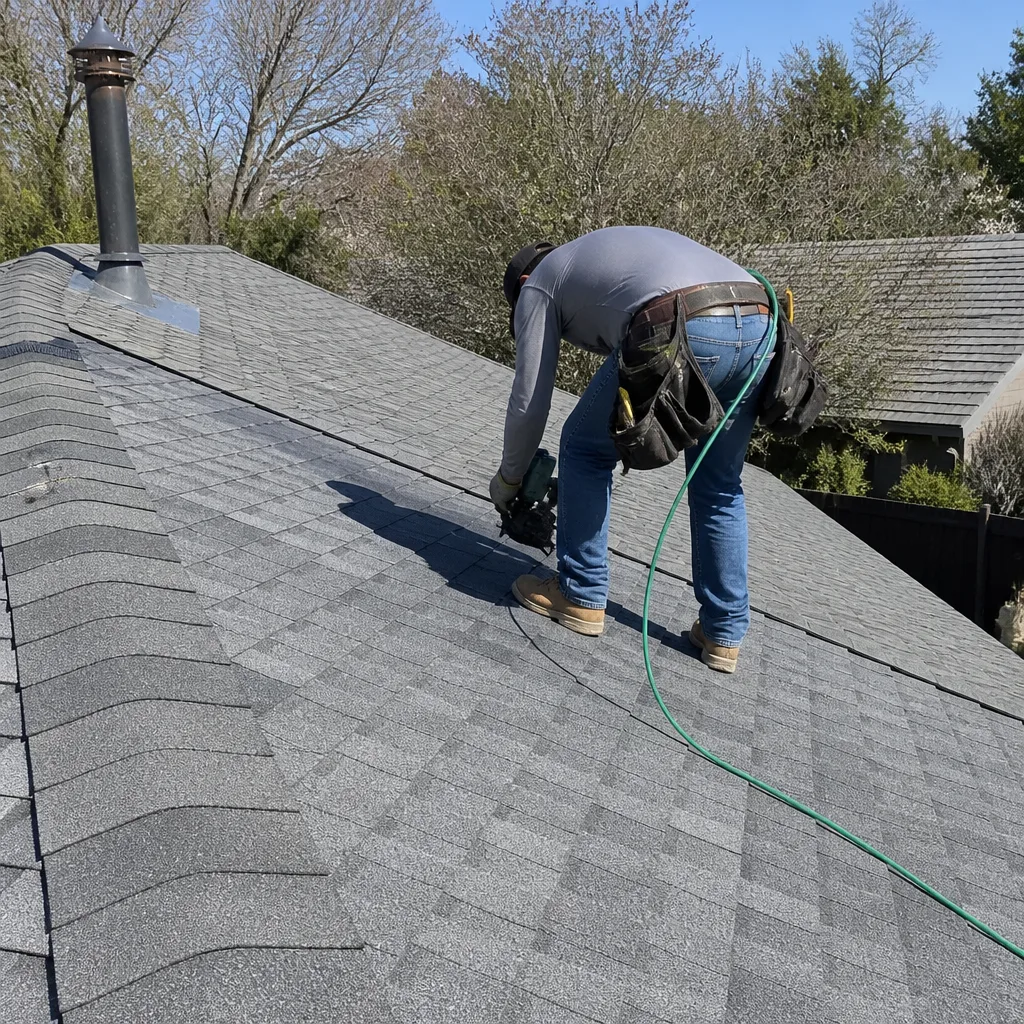 After
After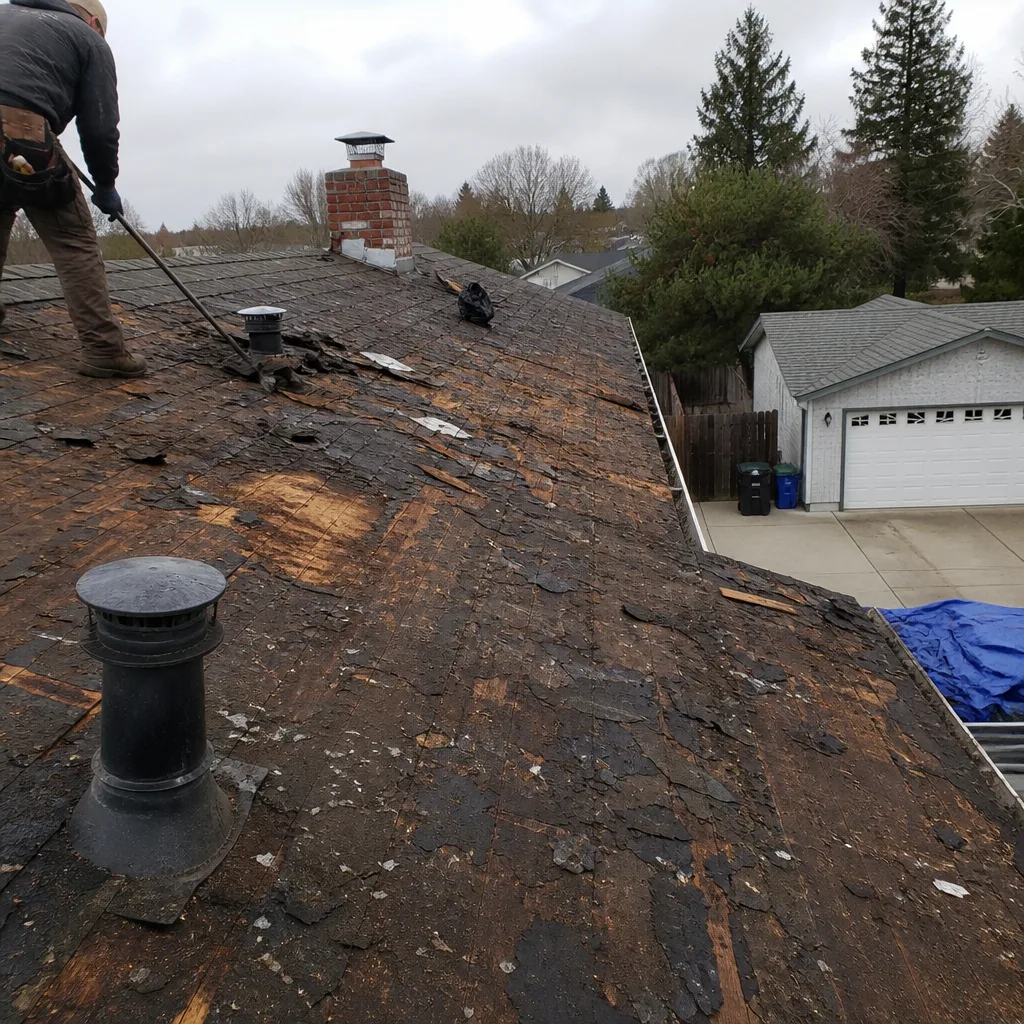 Before
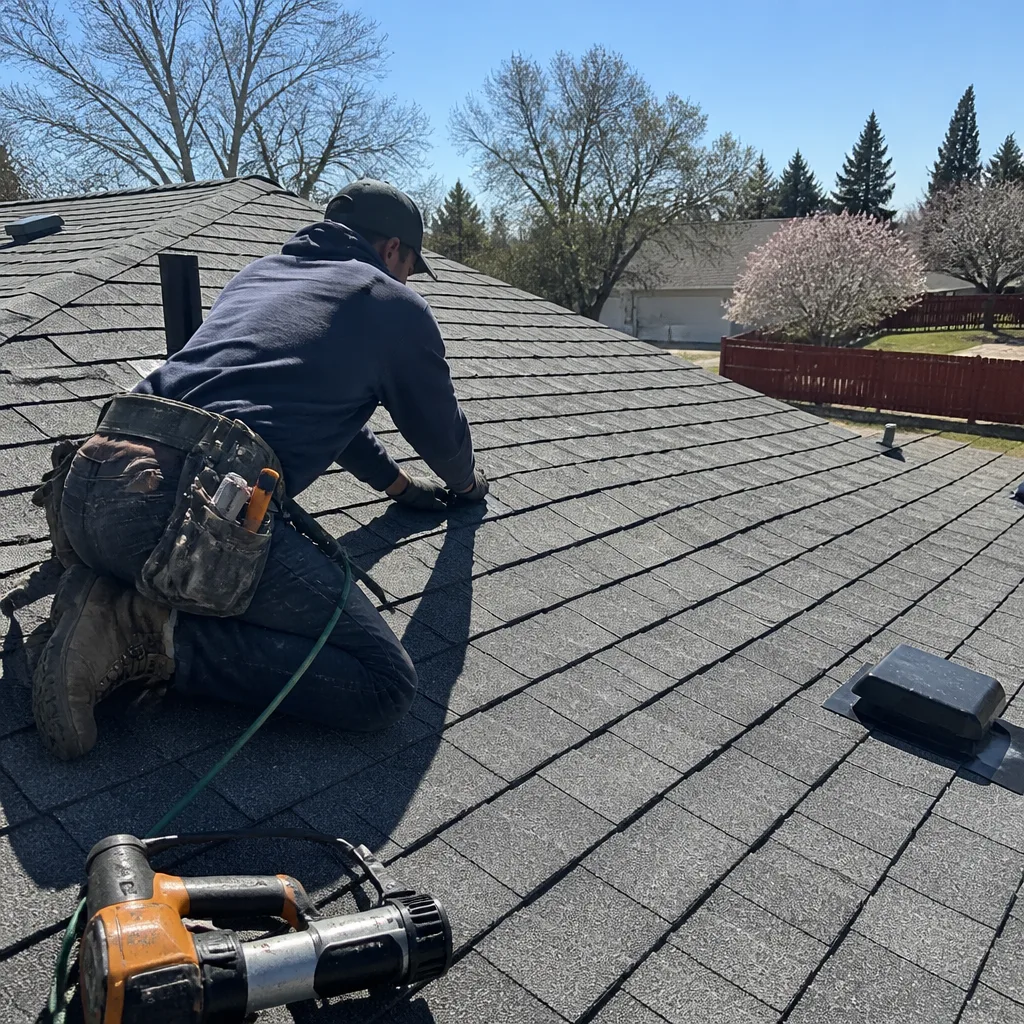 After
After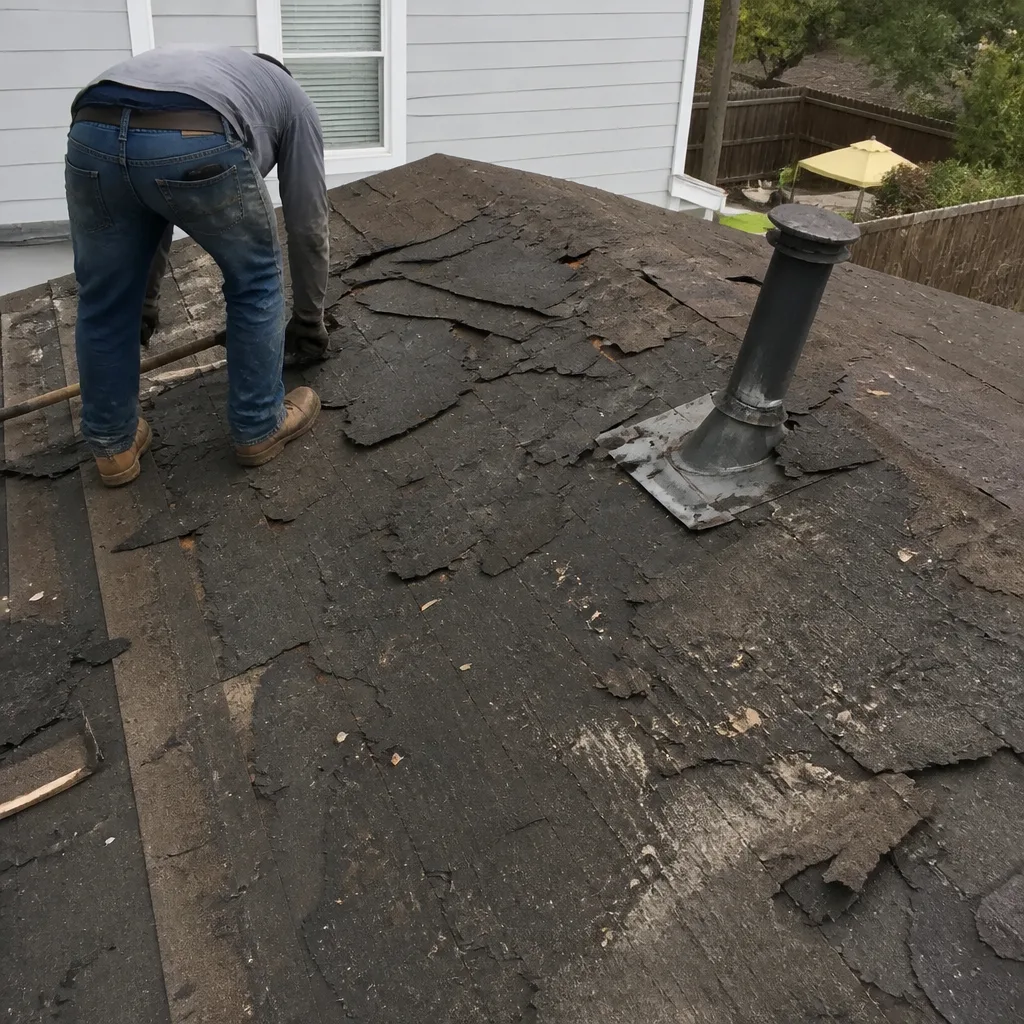 Before
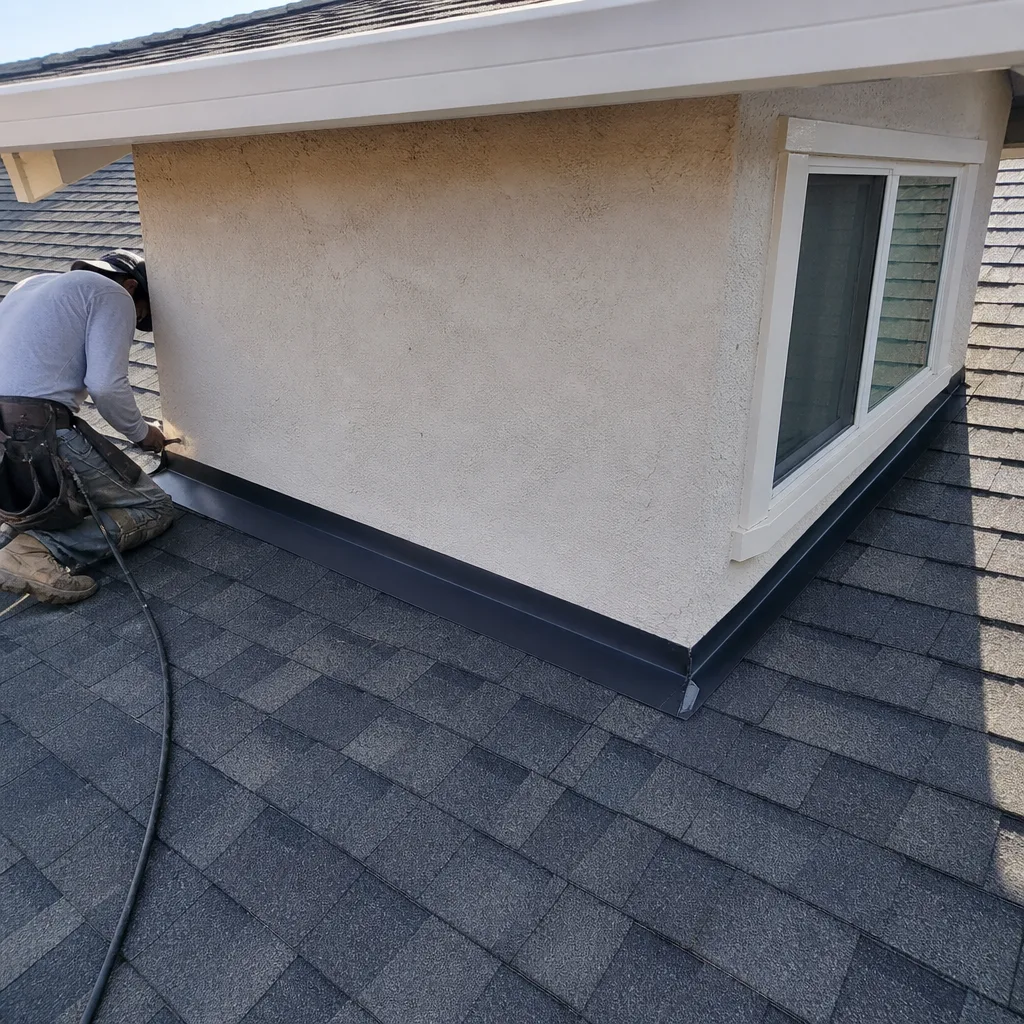 After
AfterReplacement Cost & What’s Included
In Sacramento, expect to pay $450 to $700 for a full Atlas ridge vent replacement on a single-story ranch with a 40-foot peak, and $650 to $900 on a two-story home with steeper access. The range depends on three things: roof height, total vent length, and whether the ridge cap shingles need to be replaced along with the vent itself. It’s not uncommon to see ridge cap shingles cracked from sun exposure by the time an older vent fails. You don’t want new venting under old cap shingles.
Here’s what the number includes, always, on every job we write up: the Atlas ridge vent material, new end caps and connectors, replacement ridge cap shingles matched to your existing roof color, nails rated for ridge vent installation, and full cleanup. We write the price down before we touch the roof, per the Kingswell Way that Greg Holloway runs every job on. The price you’re handed is the price on the invoice unless we find something structural underneath that nobody could have seen from the ground, in which case we stop and call you from the roof before any additional work begins. Every repair or replacement carries a written guarantee, and if something fails inside the guarantee window, we return and fix it at no charge under our 365-Day Done Right Promise. Greg’s crew has been working Sacramento roofs for years and he still walks every job himself before the estimate is final.
DIY or Call Us?
There’s a safe version of DIY here, and there’s a version that ends with a hospital visit or a much bigger repair bill. The safe version: checking your ridge vent from a ladder that’s properly set on level ground, photographing what you see, and reading the stamp on the end cap. You can do that in twenty minutes and it will help you talk to any roofer intelligently.
The part you should not do yourself is the actual replacement. Ridge vent installation means working at the highest point of the roof, often on a slope, with shingle removal, nail patterns, and flashing details that leak if even one step is skipped. A fall from a roof peak in Sacramento is the kind of injury that changes your year. And a ridge vent that’s reinstalled wrong will keep leaking quietly until the damage shows up inside the house months later. We’ve fixed enough DIY ridge vent jobs to say this plainly: the materials cost almost as much retail as what we charge installed, and the risk isn’t worth the few dollars saved. If you’ve spotted a failed Atlas vent, call us at (279) 348-3049 and we’ll get someone out to look.
FAQs
An Atlas ridge vent in Sacramento’s climate typically lasts 12 to 18 years, with the heat doing more damage than rain or wind. Homes with darker shingle colors and poor attic ventilation tend to be at the lower end of that range because the sustained heat degradation is faster. The filter material is often the first component to fail, followed by the plastic profile itself.
In most cases, a partial repair isn’t economically sensible by the time the vent has failed. A cracked section can be spliced with an Atlas connector, but the surrounding plastic is usually equally aged and will fail soon after. For a vent under ten years old with isolated damage, a section patch can work. For anything older, full replacement along the ridge is the honest recommendation, and we’ll price both options before you decide.
A standard single-story Sacramento home with a 40-foot ridge line takes about four to five hours from setup to cleanup. Two-story homes with complicated access add an hour or two. We schedule a half day for every ridge vent replacement and we don’t leave until the roof is clean of old nails and debris.
Yes. We keep Atlas WeatherMaster and GlassMaster ridge vent, plus the end caps, connectors, and matching ridge cap shingles, stocked on our trucks for Sacramento jobs. We also carry parts for GAF, Owens Corning, and CertainTeed systems, so if it turns out your original vent isn’t actually Atlas when we get there, the day isn’t wasted. No ordering, no reschedule, no second trip.
If your Atlas ridge vent is showing signs of age or you’ve already found water inside, call (279) 348-3049. We’ll give you a straight answer and a written price before any work starts, and Greg Holloway will make sure the job is walked through with you before the crew packs up.
Written by Greg Holloway, Owner, Tilehurst Roofing Sacramento at Tilehurst Roofing Sacramento, serving Sacramento and nearby areas.