
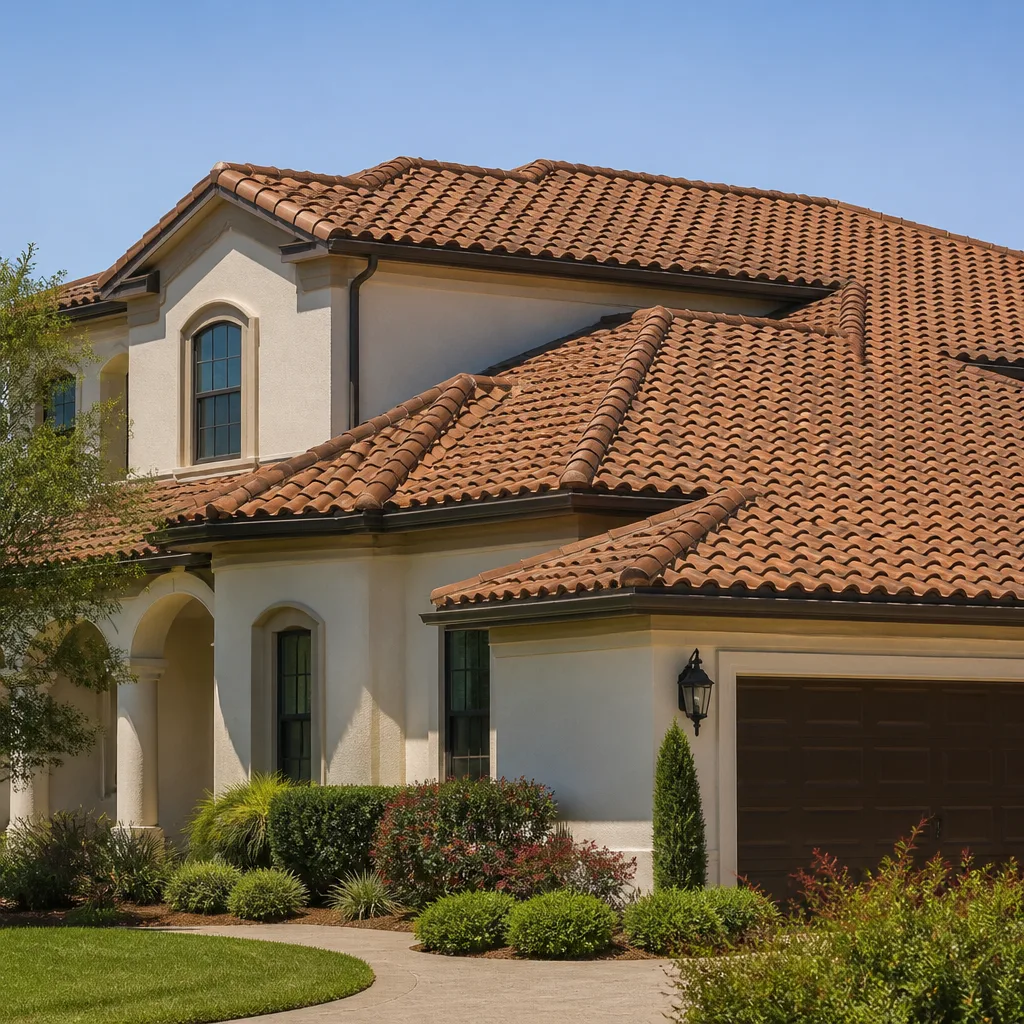
 Tile roofing
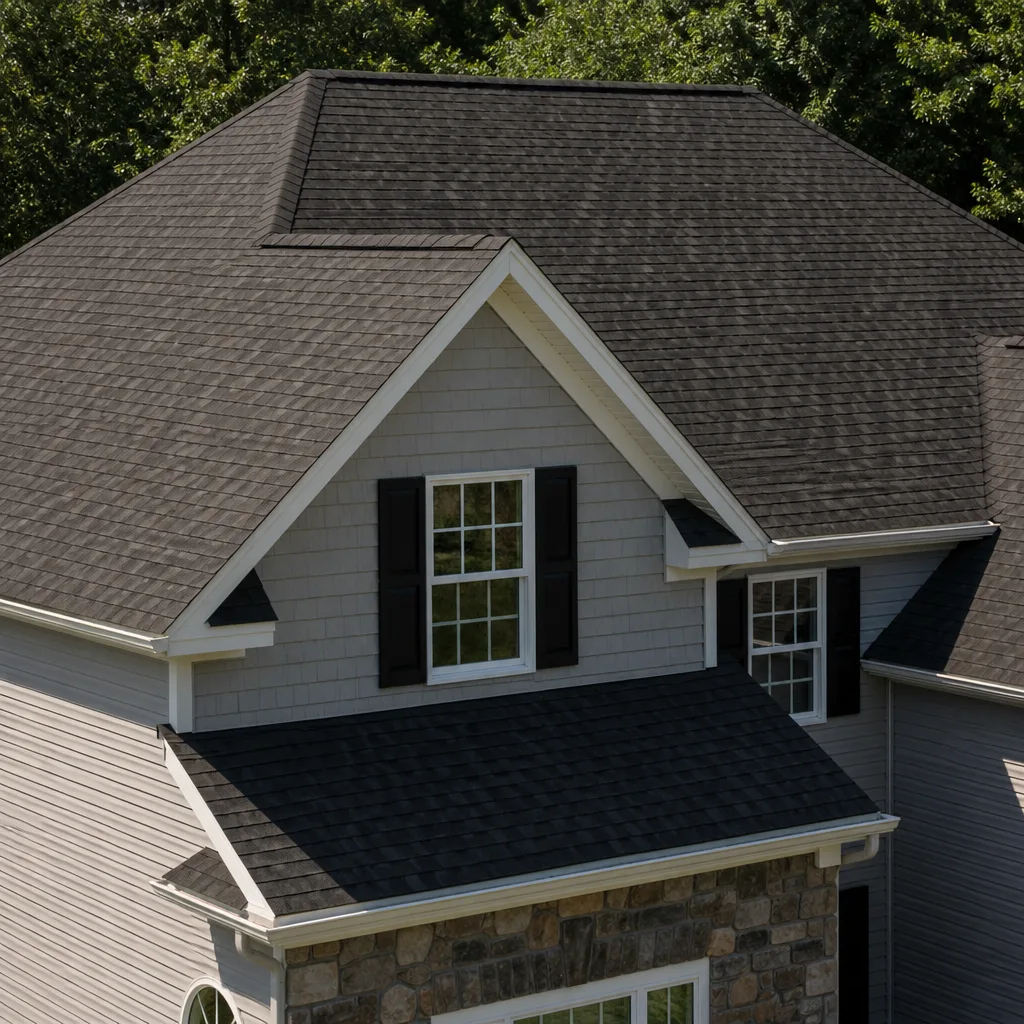 Architectural shingles
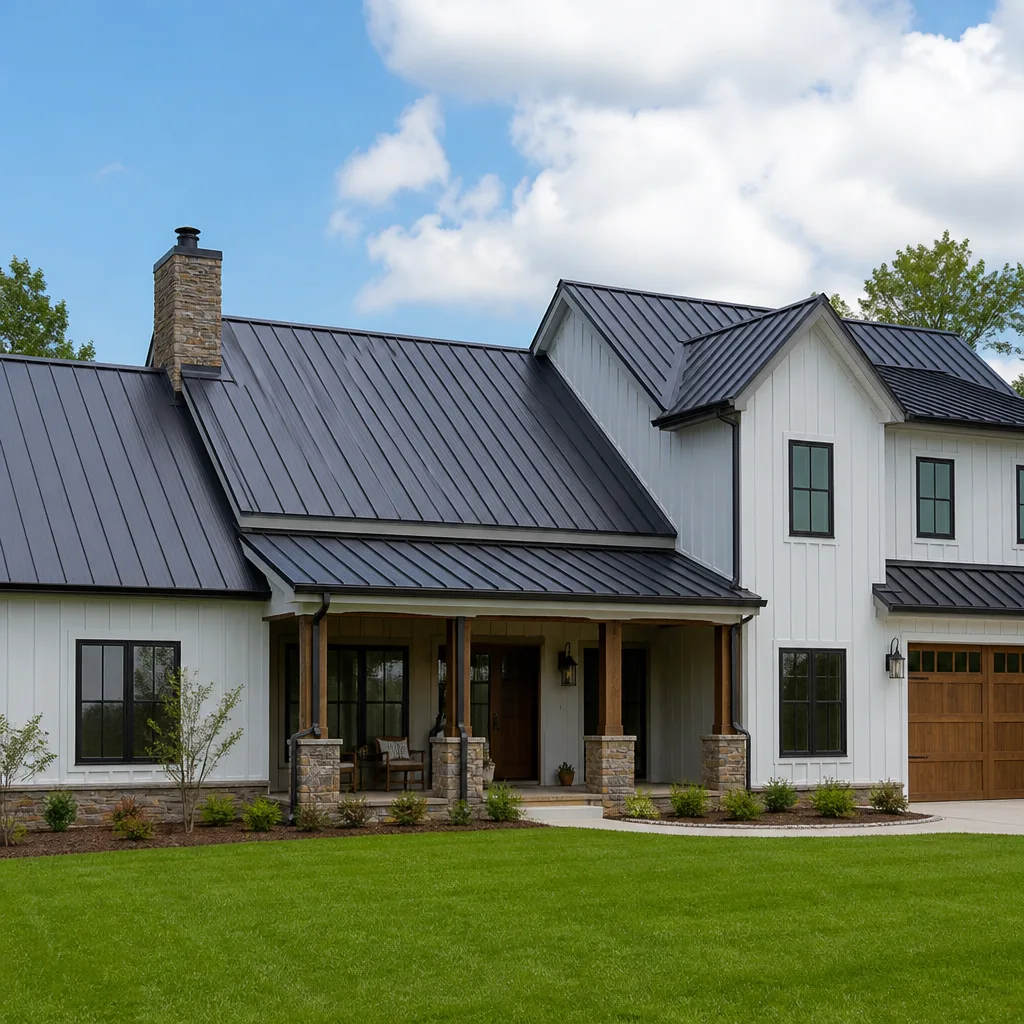 Metal roofing
 GAF
GAF Owens Corning
 Flat & low-slope
Free roof inspection with deck photos before we talk money - GAF and Owens Corning certified installation
Boral Flashing Replacement: The Sacramento Owner’s Guide
Most Boral flashing replacement jobs we handle in Sacramento run between $350 and $900 installed, depending on where the flashing sits and how much surrounding tile has to come up to get at it. We stock Boral-compatible flashing on our trucks and can usually complete the swap the same day we diagnose it. You’ll typically discover the problem after a hard winter rain or a stretch of Sacramento’s summer heat has done its work: a water stain on the ceiling, a musty smell near the roofline, or a neighbor pointing out that a piece of flashing near your chimney is peeled back like a sardine can lid.
The flashing on a Boral roof is the metal or composite barrier that lives at every seam, valley, and penetration. It’s what keeps water from sneaking under the tile where walls meet roofs, around skylights, and along chimneys. When it fails, the tile above it can look perfectly fine. That’s the tricky part. The roof looks intact while water is quietly finding its way into the sheathing underneath. In Sacramento, where we swing from wet winters to 100-degree July afternoons, that cycle of expanding and contracting is exactly what loosens flashing over time.
Which Boral Models This Applies To
Boral produces a few distinct roof tile profiles, and the flashing requirements change with each one. The three we see most often in Sacramento are the flat-profile Boral Slimline, the barrel-shaped Boral Mission, and the larger Boral Barcelona profile. Each needs a different flashing rise, the vertical lip that sits behind the tile and directs water down and away. A Slimline tile has a shallow profile, so flashing with too tall a rise creates a visible hump that traps debris and water. A Mission barrel tile needs more rise to match the curl of the tile, or water rushes over the top of the flashing during a heavy downpour.
If you’re trying to identify what’s on your roof, look in two places. First, check any leftover tiles in the garage or side yard for a stamped name on the underside. Boral stamps the profile name and sometimes a production code right into the tile. Second, measure the tile’s exposed width. Slimline tiles typically run 12 to 13 inches wide, Mission barrels around 10 to 11, and Barcelona profiles closer to 14. It’s also worth knowing that after Boral sold its North American concrete and clay tile business to Westlake Royal Roofing Solutions, replacement flashing you buy from a general roofing supplier may be labeled under Westlake rather than Boral. The material dimensions are identical. We match the flashing to the tile, whether the label says Boral or Westlake.
The OEM versus aftermarket question is simpler for flashing than for other parts. Boral’s own flashing, now sold through Westlake distribution, is good material. But quality aftermarket flashing from brands like Oatey, Gibraltar, and local sheet-metal fabricators works just as well when the gauge matches and the profile is bent correctly. We’re an independent roofing company, not affiliated with Boral, and we’ll tell you honestly which route makes sense for your specific roof. Often the deciding factor is lead time: a custom-bent piece for an unusual chimney or skylight configuration can take a week to fabricate, while standard step flashing is on our truck every day.
Styles & brands we work with
Signs Your Boral Flashing Replacement Is Failing
- Water stains on the ceiling after rain. This is the classic first sign. Water travels along roof decking from the flashing failure point to wherever the ceiling offers the easiest path down, which is often nowhere near the actual leak.
- Visible separation or curling at roof-to-wall joints. Step flashing is tucked behind stucco or siding. When the tar or sealant holding it in place dries out from Sacramento’s summer sun, the flashing loosens and starts to lift away from the wall.
- Granules or debris piling up at the base of a valley. This is a sign that water is channeling through the valley wrong, which usually means the valley flashing has come loose or was set too low and is being overrun.
- Rust or corrosion on exposed flashing around a chimney. Chimney flashing takes the worst weather from every direction. If you see rust streaks, pitting, or cracked sealant around the chimney base, that flashing is on borrowed time.
- Musty or stale smell in the attic after rain. Attic insulation soaks up water before you ever see a stain. If your attic smells like wet sweater after a storm, get someone up there to look at the flashing sooner rather than later.
See the difference
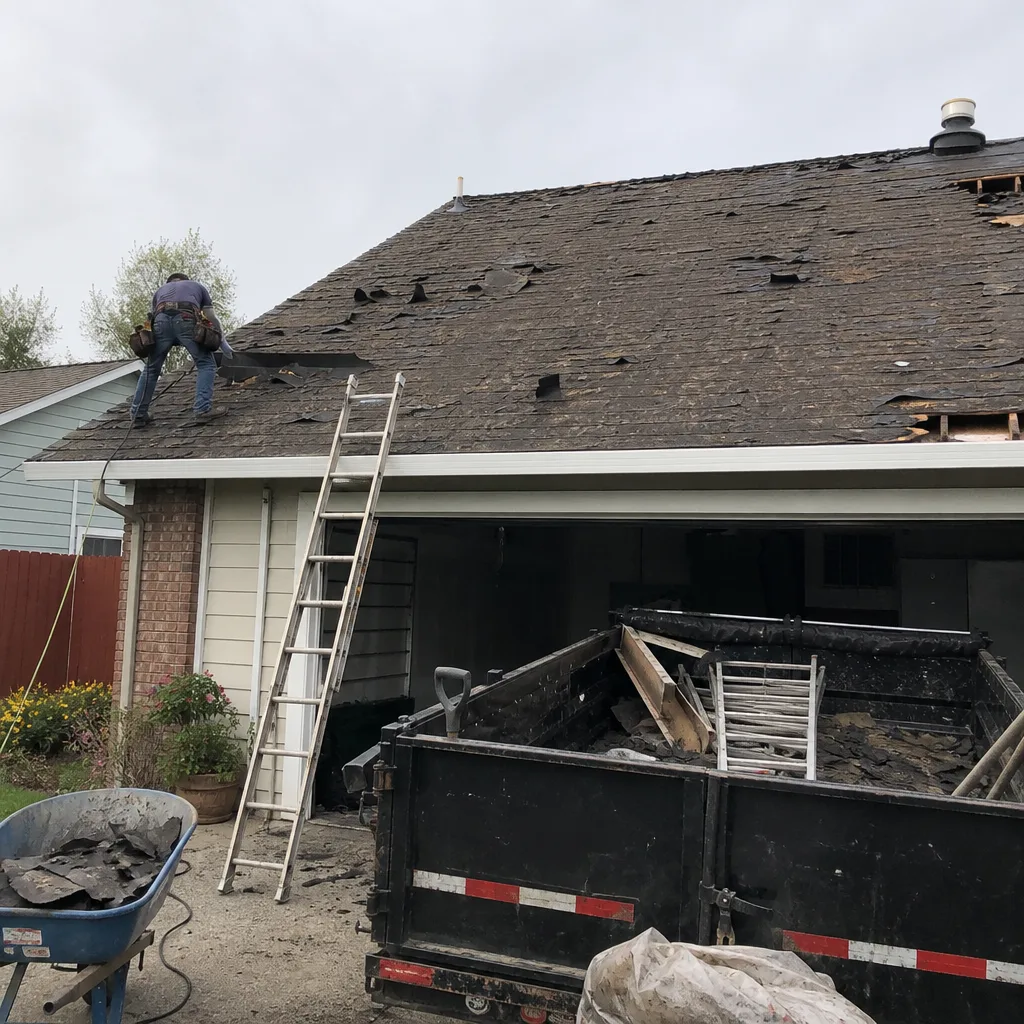 Before
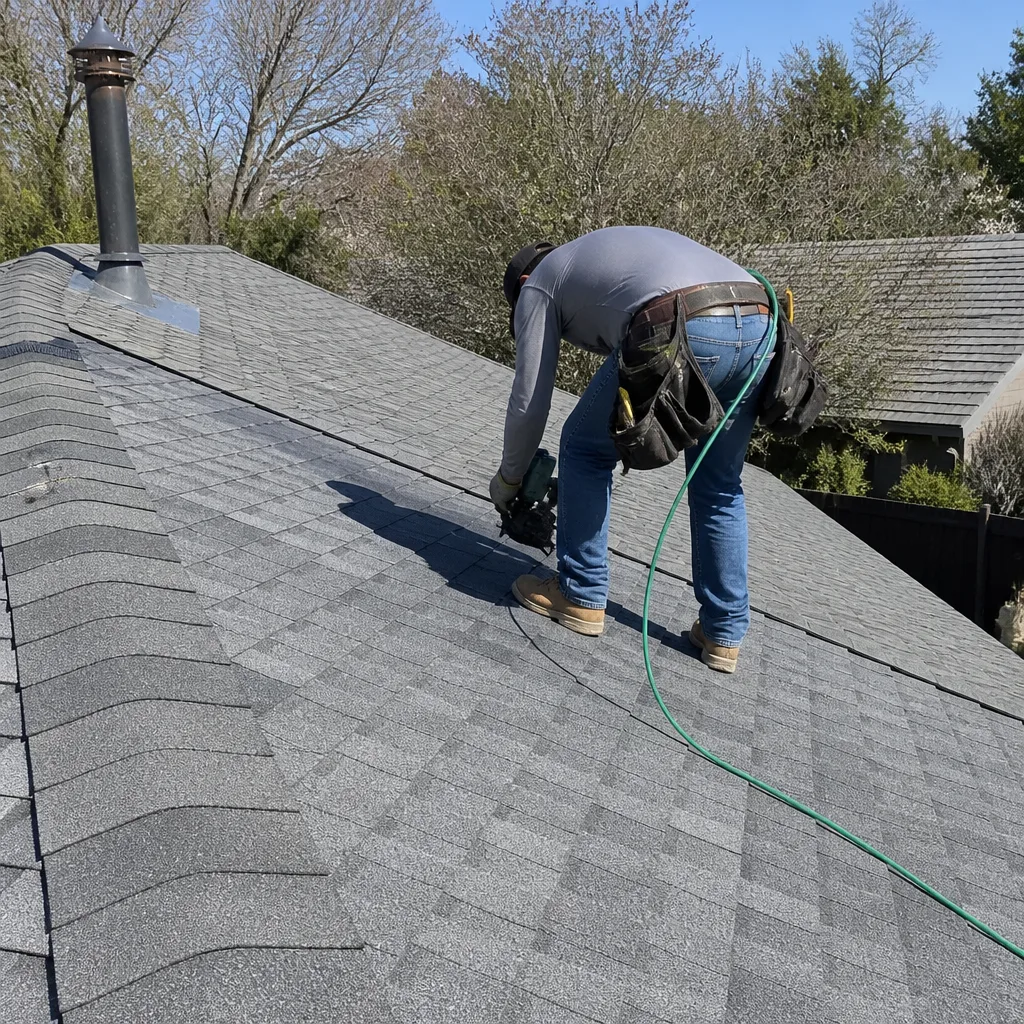 After
After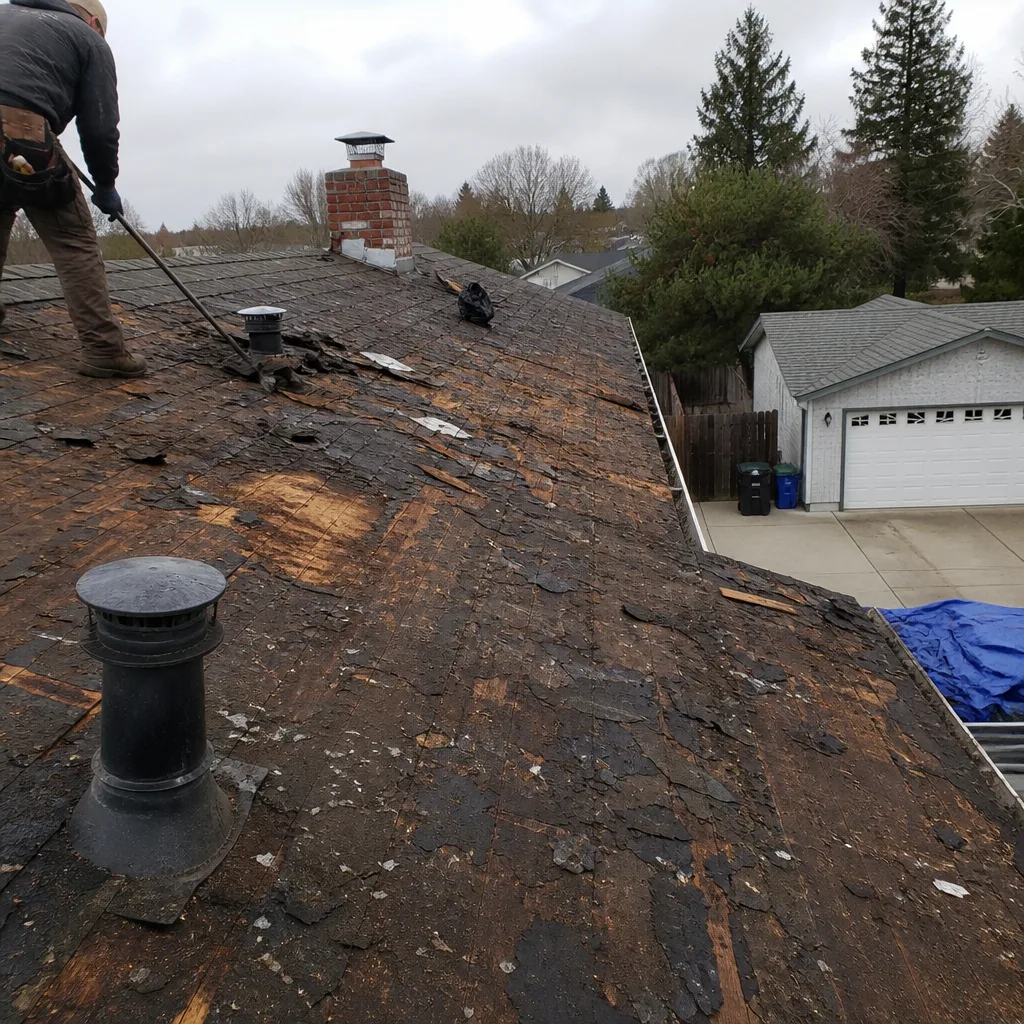 Before
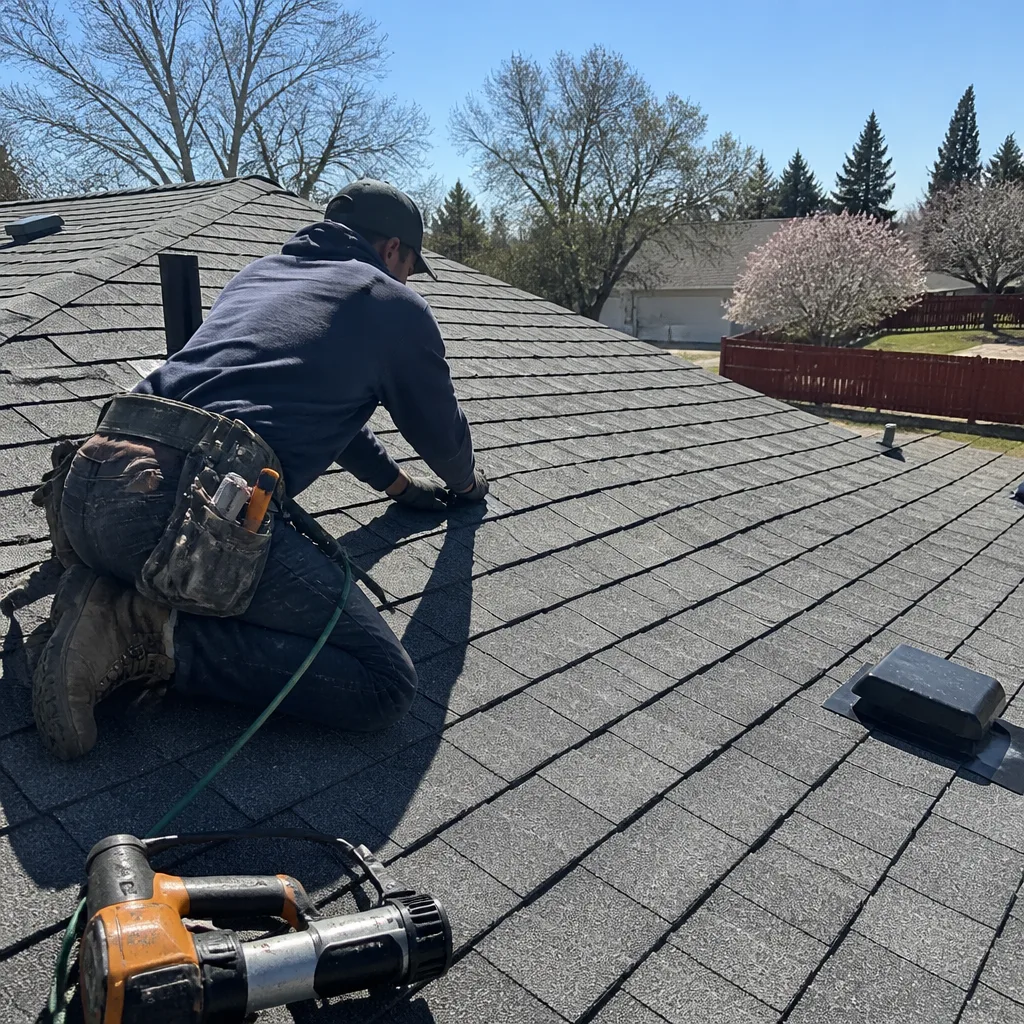 After
After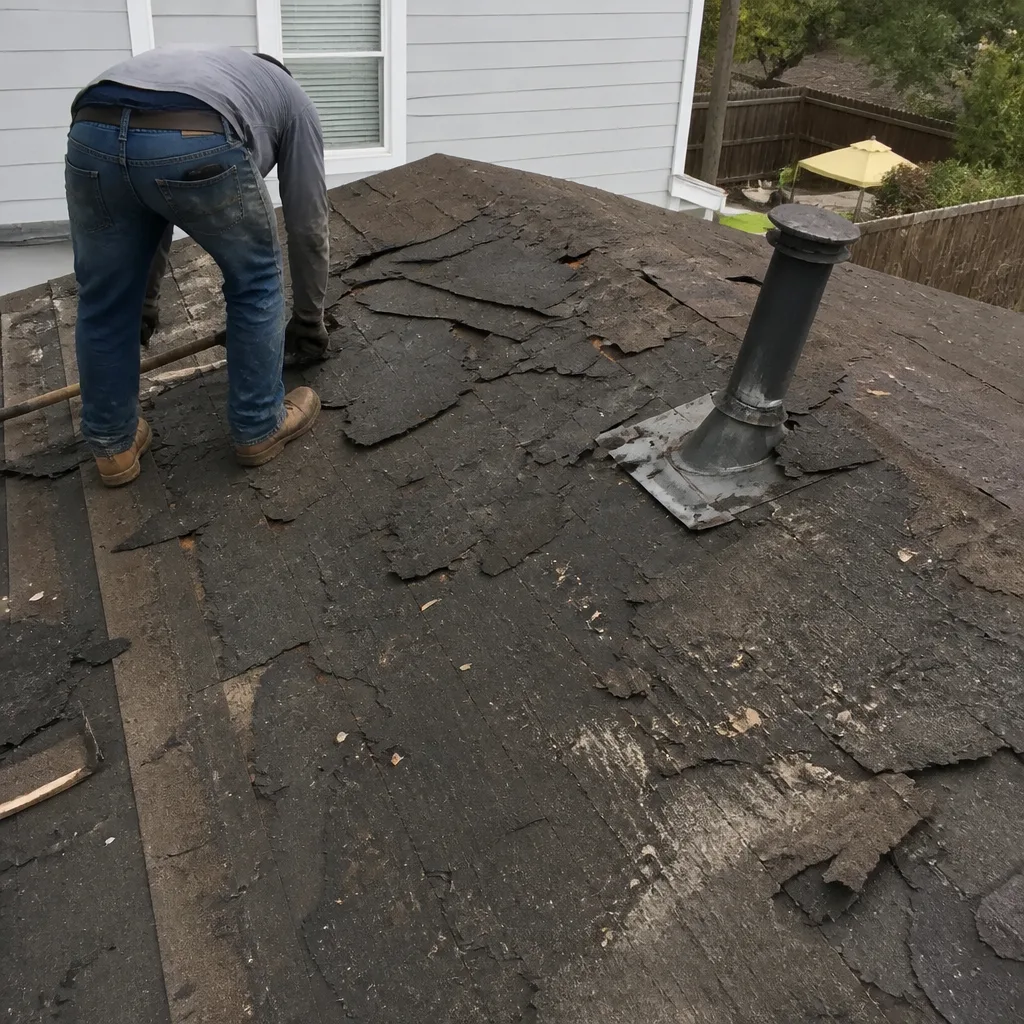 Before
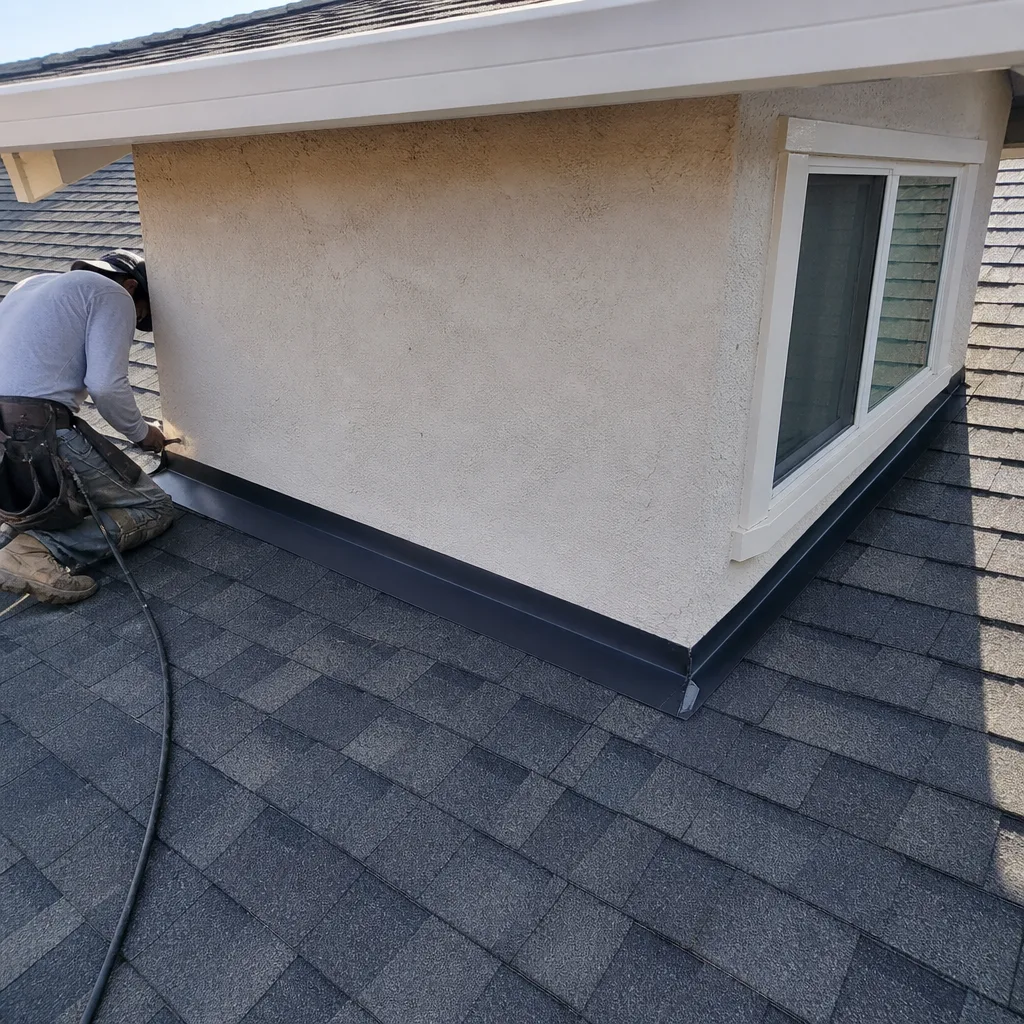 After
AfterReplacement Cost & What’s Included
Here’s what Boral flashing replacement runs in Sacramento, based on the jobs we’ve priced and completed over the past few seasons. These are installed prices, including the flashing, fasteners, sealant, removal of damaged pieces, and re-setting the Boral tile cleanly.
| Flashing Type | Typical Installed Price | What Affects the Price |
|---|---|---|
| Step flashing (roof-to-wall) | $350 – $550 | Length of wall, how much tile must be removed to access |
| Chimney flashing | $550 – $900 | Chimney size, whether step or continuous/wrap flashing is needed, access difficulty |
| Valley flashing | $450 – $750 | Length of valley, whether the underlayment below has also failed |
| Skylight flashing | $400 – $700 | Skylight brand, whether the curb needs rebuilding |
| Pipe boot flashing | $250 – $400 | Number of penetrations, roof pitch |
The biggest variable in Boral flashing replacement is what we find beneath the flashing. If water has been getting in for a while, the underlayment, the roof decking, or both may need repair before the new flashing goes on. That changes the scope and the price, and we tell you before any work starts. Every flashing replacement we do includes a written line-item price, a written guarantee, and the tile re-bedded exactly as it was. Greg Holloway walks the roof himself before anyone gives you a number. We tell you the price before we touch your roof, every time, no exceptions.
DIY or Call Us?
There’s an honest split here. If you want to inspect the flashing yourself, you can do that safely from the ground with binoculars or by climbing a ladder no higher than your gutters. Look for lifted flashing, dried sealant, and rust streaks. What you should not do is get up on a Boral tile roof to replace flashing. Concrete and clay tile break underfoot weight when you step on the wrong spot, and a cracked tile you didn’t have before becomes a new leak you now do have. Flashing replacement also involves lifting tile, working with metal that’s often sharp from decades of weather, and sealing in a way that stays watertight through Sacramento’s temperature swings.
We’ve had more than a few homeowners call us after a DIY flashing repair failed within a season. The usual culprit is the cheap sealant from the hardware store, which shrinks in the heat and pulls away from the flashing. The repair costs more the second time because now there’s failed sealant to clean off on top of the original problem. Our crew does this work every week, and if our repair fails inside the guarantee period, we come back at no charge. That’s the Kingswell Way, and it’s in writing. Call (279) 348-3049 and we’ll take a look.
FAQs
Boral flashing, when properly installed, lasts 20 to 30 years in Sacramento’s climate. The failure point is almost never the metal itself. It’s the sealant, the fasteners, or the original installation: flashing set too low, underlayment lapped the wrong direction, or sealant that’s baked out from years of direct summer sun.
In some cases, yes. If the flashing is still solid and the only issue is dried sealant at the top edge, we can scrape it, re-seal with a polyurethane sealant rated for our temperature range, and re-bed the tile. But if the flashing is rusted, torn, or bent out of shape, a repair is a band-aid that fails again. We’ll tell you which situation you have.
Most Boral flashing replacements take four to six hours. A simple step flashing section might be done in two or three hours. A chimney wrap with custom-bent flashing can take a full day, especially on a steep roof. We’ll give you a time window before the crew arrives.
We stock standard step flashing, valley flashing, pipe boots, and chimney flashing components on our trucks in the sizes needed for Boral Slimline, Mission, and Barcelona profiles. Custom-bent pieces for unusual chimney or skylight configurations take about a week to fabricate. We’ll tell you which category your job falls into when we give you the written price. Call (279) 348-3049 for an exact quote, estimates are free.
We also stock replacement parts and flashing for GAF, Owens Corning, and CertainTeed roofing systems. If you’re not sure what you have, we’ll figure it out when we’re up there.
Written by Greg Holloway, Owner, Tilehurst Roofing Sacramento at Tilehurst Roofing Sacramento, serving Sacramento and nearby areas.