
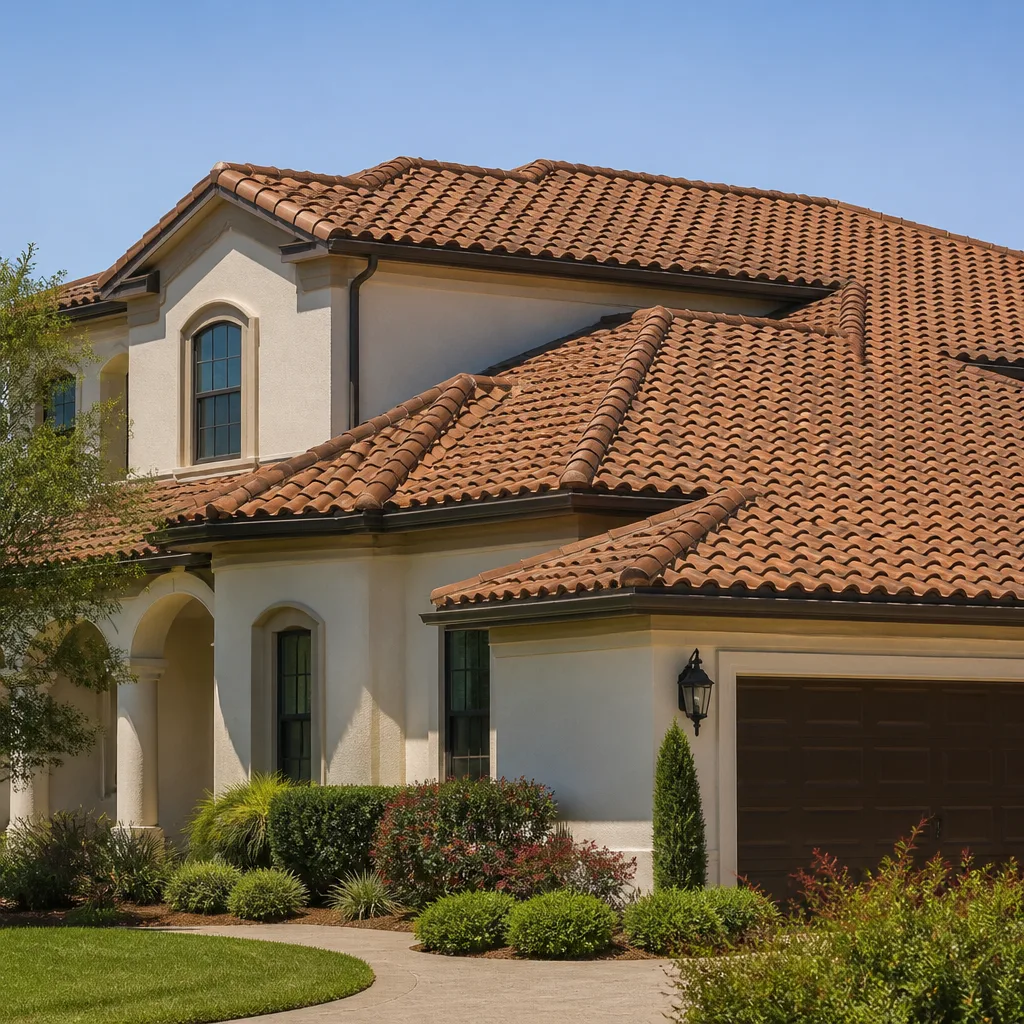
 Tile roofing
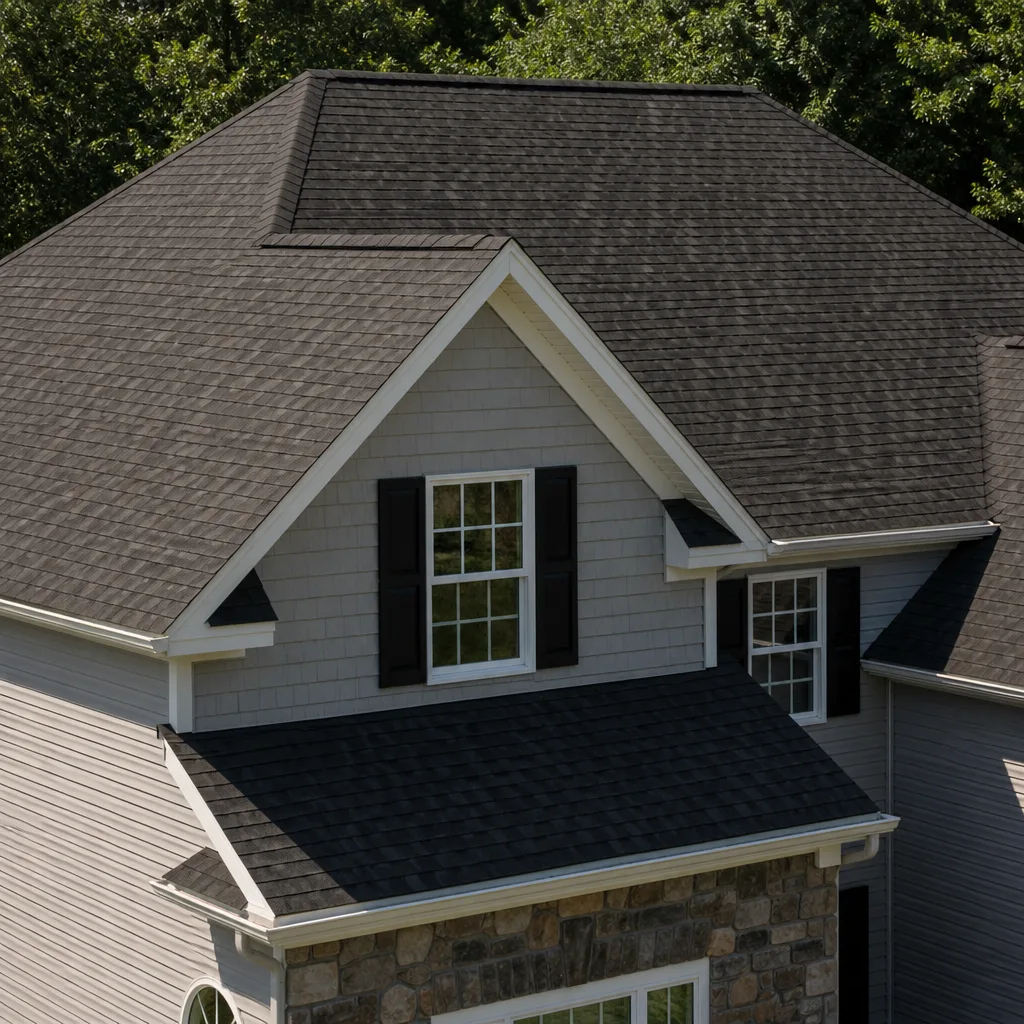 Architectural shingles
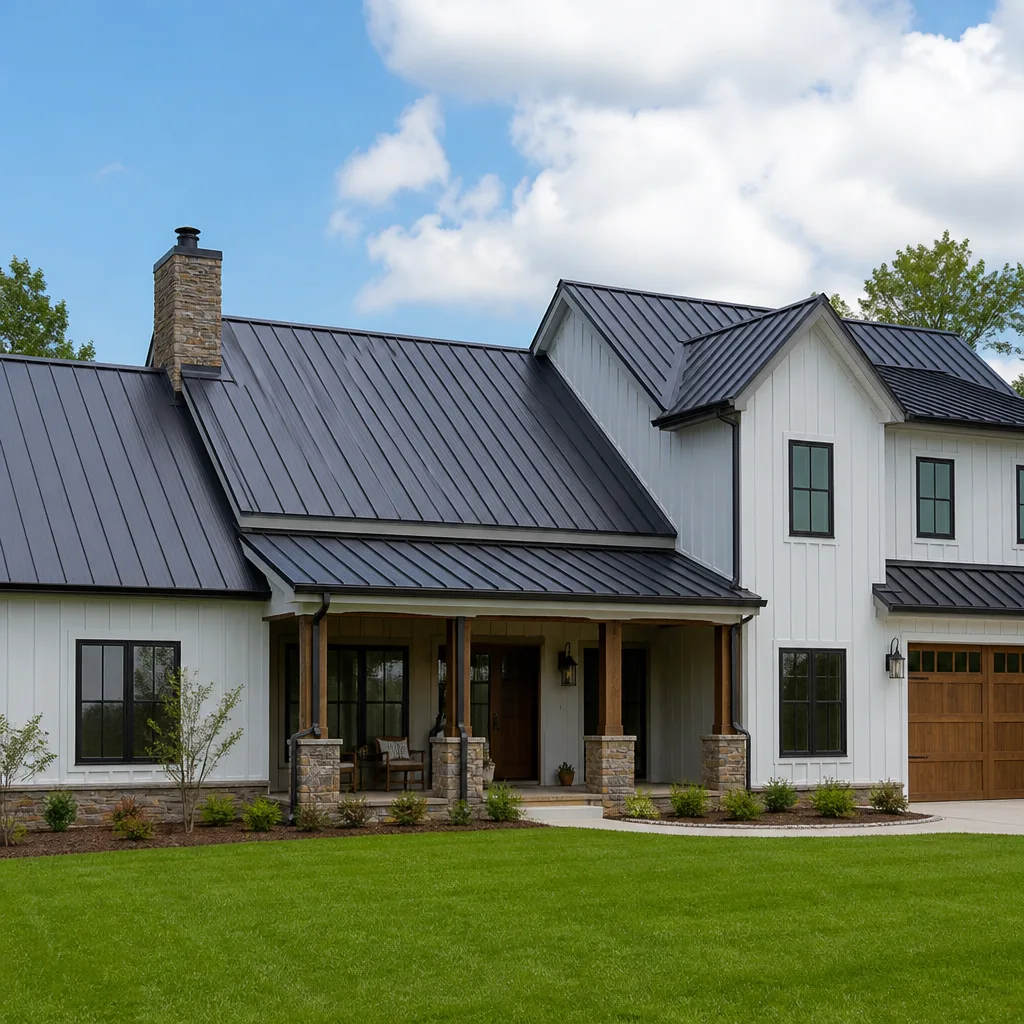 Metal roofing
 GAF
GAF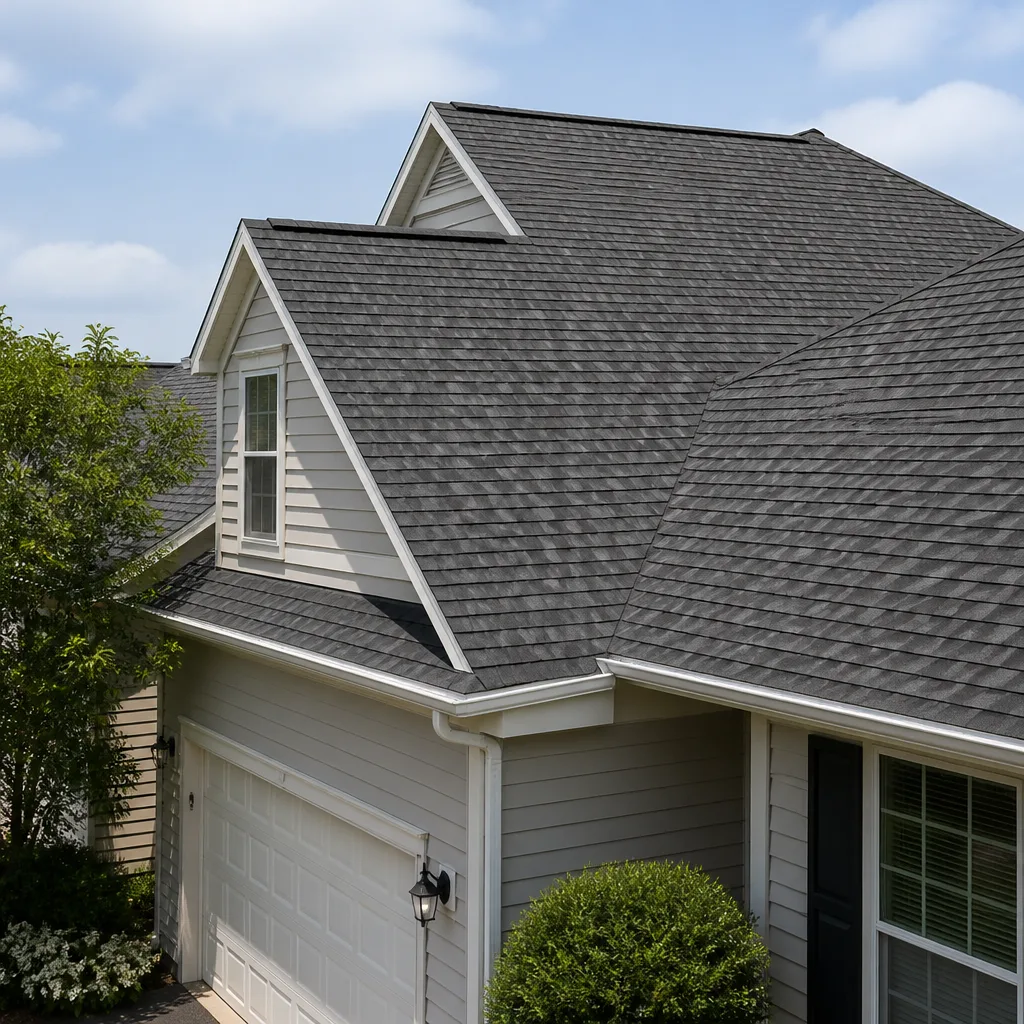 Owens Corning
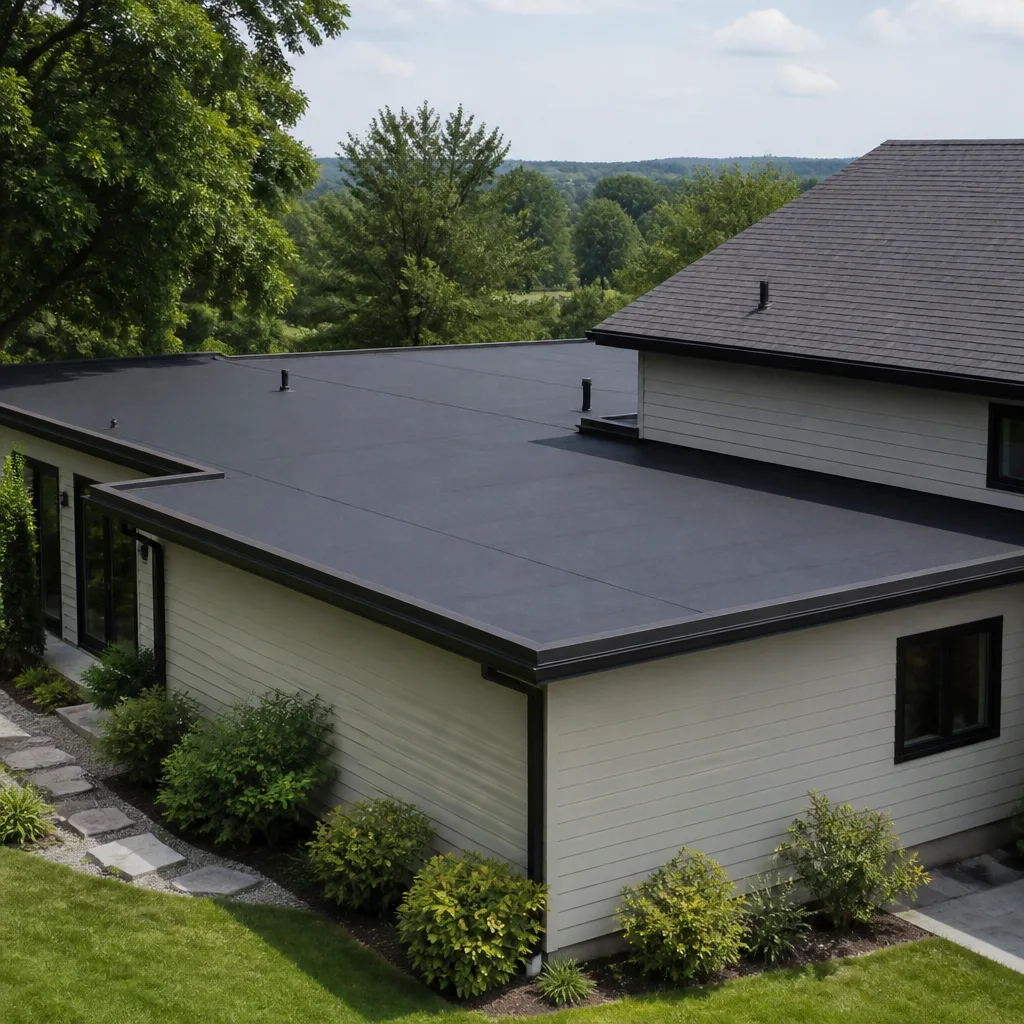 Flat & low-slope
Free roof inspection with deck photos before we talk money - GAF and Owens Corning certified installation
Atlas Flashing Replacement: The Sacramento Owner’s Guide
Atlas flashing replacement in Sacramento typically runs $380 – $850 installed, depending on roof pitch, flashing location, and how much surrounding shingle work the repair requires. We stock Atlas-compatible flashing profiles on our trucks and can usually complete the job in a single visit. Most homeowners discover the problem after a winter storm blows through and they find water staining on a ceiling, or when they’re up cleaning gutters and notice the metal has pulled away from the chimney or wall line.
If you’re reading this, chances are you’ve spotted something that doesn’t look right – a lifted corner, a rust line, a gap where the flashing meets the wall – and you want to know what it costs before anyone climbs a ladder. That’s a fair question, and we’ll answer it in writing before we touch your roof. Greg Holloway has walked hundreds of Sacramento roofs and can tell you from experience: flashing fails quietly, and by the time you see the interior stain, the metal gave up months earlier.
Which Atlas Models This Applies To
Atlas flashing is not a one-size-fits-all product line. The company manufactures several flashing profiles that correspond to different roof systems, and the wrong profile will not seat correctly against the shingle course. Here’s the practical breakdown.
Atlas StormMaster and Pinnacle shingle lines both use standard L-shaped step flashing at sidewalls, typically 4×4×10 inches in galvanized steel or aluminum. The Atlas GlassMaster line, common on flatter Sacramento ranch-style homes, relies on a slightly wider base flange – usually a 5-inch profile – to shed water on lower slopes. If your home has an Atlas synthetic underlayment installed under the shingles, the flashing detail matters even more: Atlas’s underlayment products are designed to work with self-adhered flashing membranes at valleys and penetrations, and pairing them with a generic aftermarket metal can create a seam that traps water instead of shedding it.
The most reliable way to identify what you need is to check for a stamped manufacturer code on the exposed flashing face – Atlas stamps their flashing with a series code on the back side, which means the roof has to be lifted slightly to read it. Failing that, measure the base flange width. If you’re unsure, call us at (279) 348-3049 and we’ll identify it on site before quoting.
One compatibility gotcha worth knowing: Atlas step flashing from the pre-2015 manufacturing era has a slightly thinner gauge than current production. Replacing one section of old flashing with new stock can create a height difference at the shingle lap that catches wind-driven rain. We account for this during quote and usually recommend replacing the full run rather than a single piece.
Styles & brands we work with
Signs Your Atlas Flashing Replacement Is Failing
- Water staining on ceilings or walls near chimneys, dormers, or where the roof meets a vertical wall. This is the symptom that sends most people to the phone. By the time a stain shows inside, the flashing has been letting water through for months, and the decking underneath may already be soft.
- Flashing that has pulled away from the chimney or sidewall, leaving a visible gap. Attic heat cycling plus Sacramento’s 100-degree summer days causes expansion and contraction. The roofing cement that holds flashing against brick or stucco breaks down, and the metal springs outward.
- Rust streaks or pinholes on exposed flashing metal. Galvanized flashing in Sacramento’s wet-winter, dry-summer cycle lasts 15 to 20 years before the zinc coating wears through. Once you see rust, the metal is near the end of its useful life.
- Granules from your Atlas shingles collecting in gutters directly below flashing runs. Failing flashing lets water run under the shingle edge, which strips granules and accelerates shingle decay right at the transition point.
- Daylight visible from inside the attic along the chimney or wall junction. If you can see sunlight at the roof-to-wall joint, water has an open channel. This is one of the few inspection points a homeowner can safely check from inside – no ladder required.
See the difference
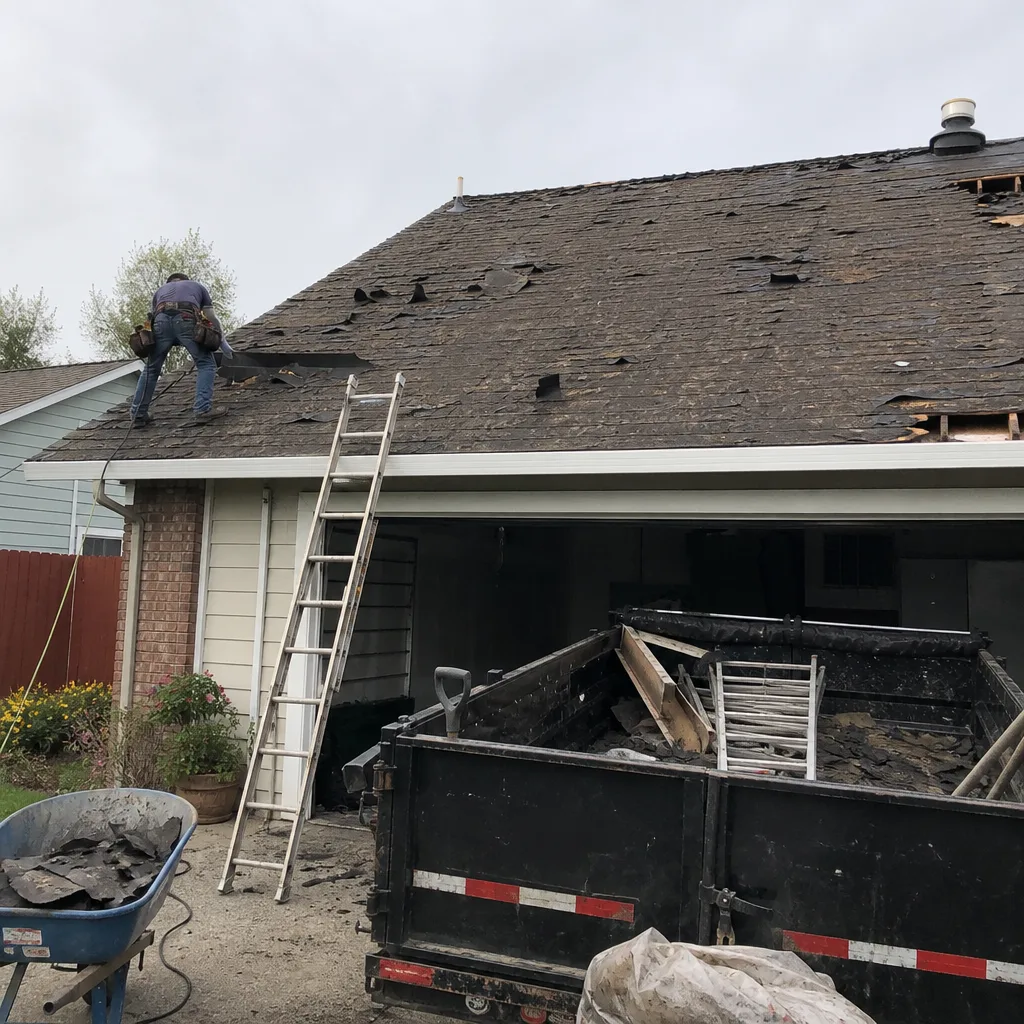 Before
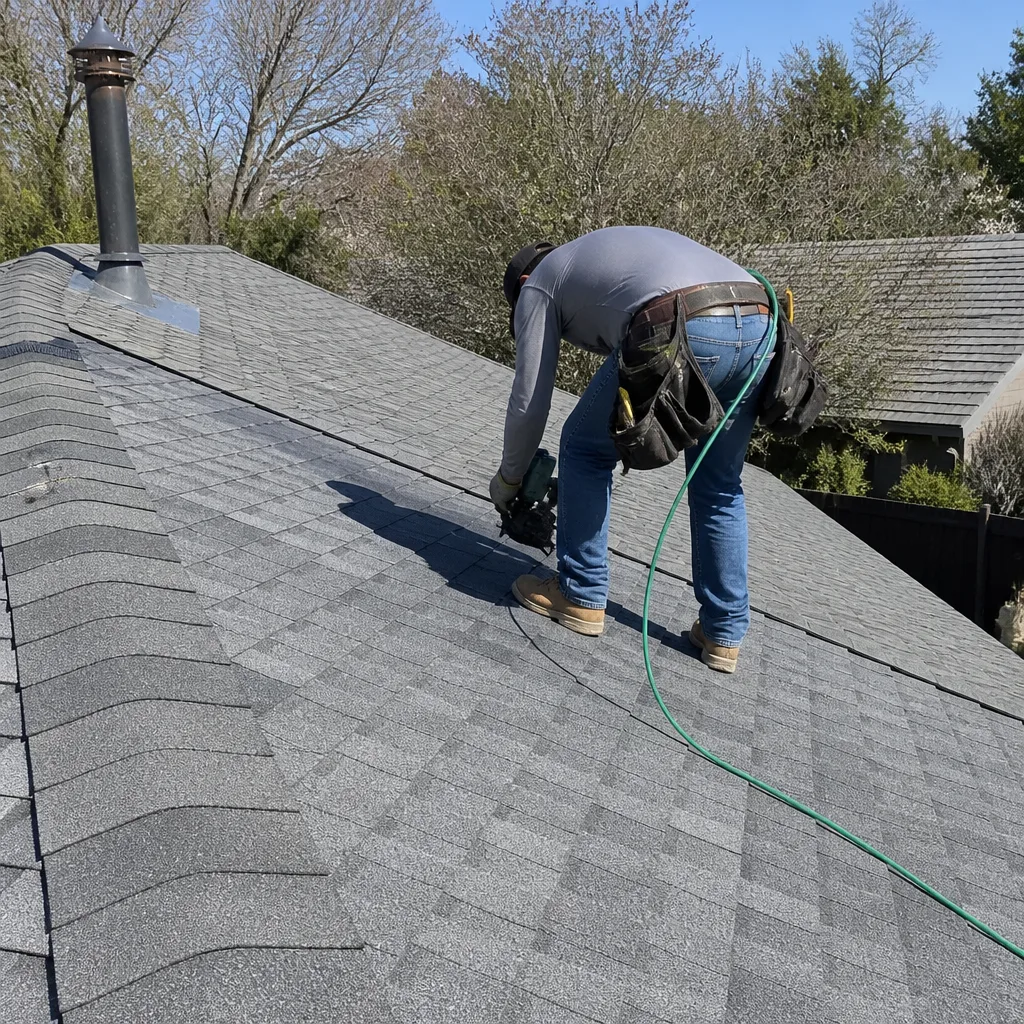 After
After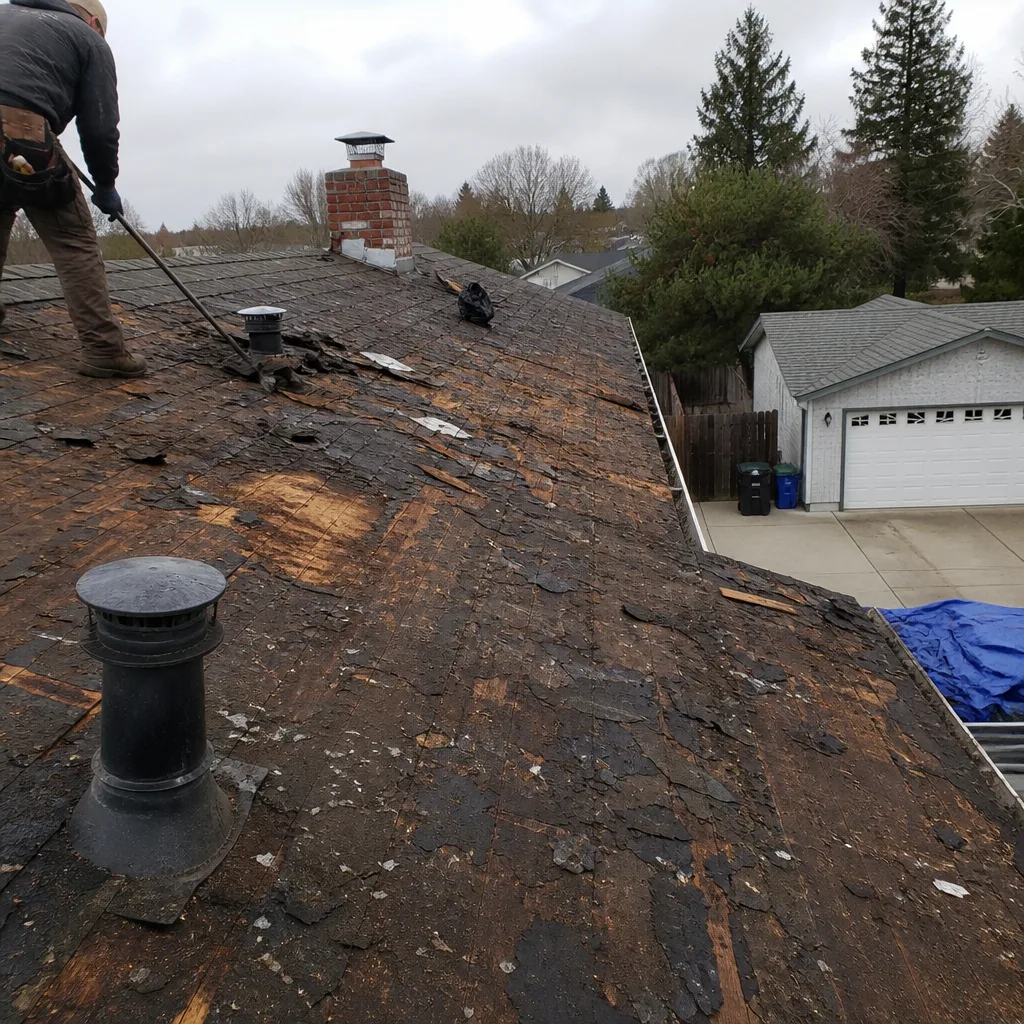 Before
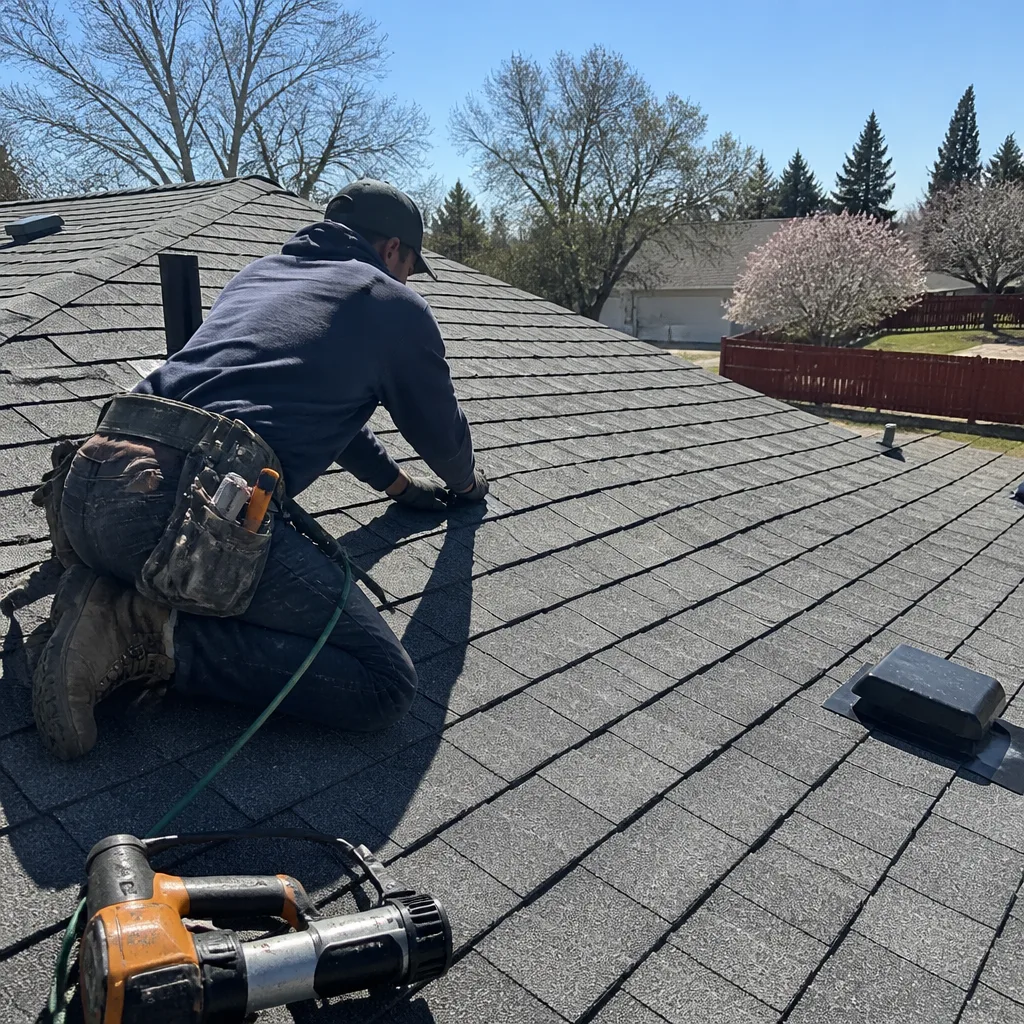 After
After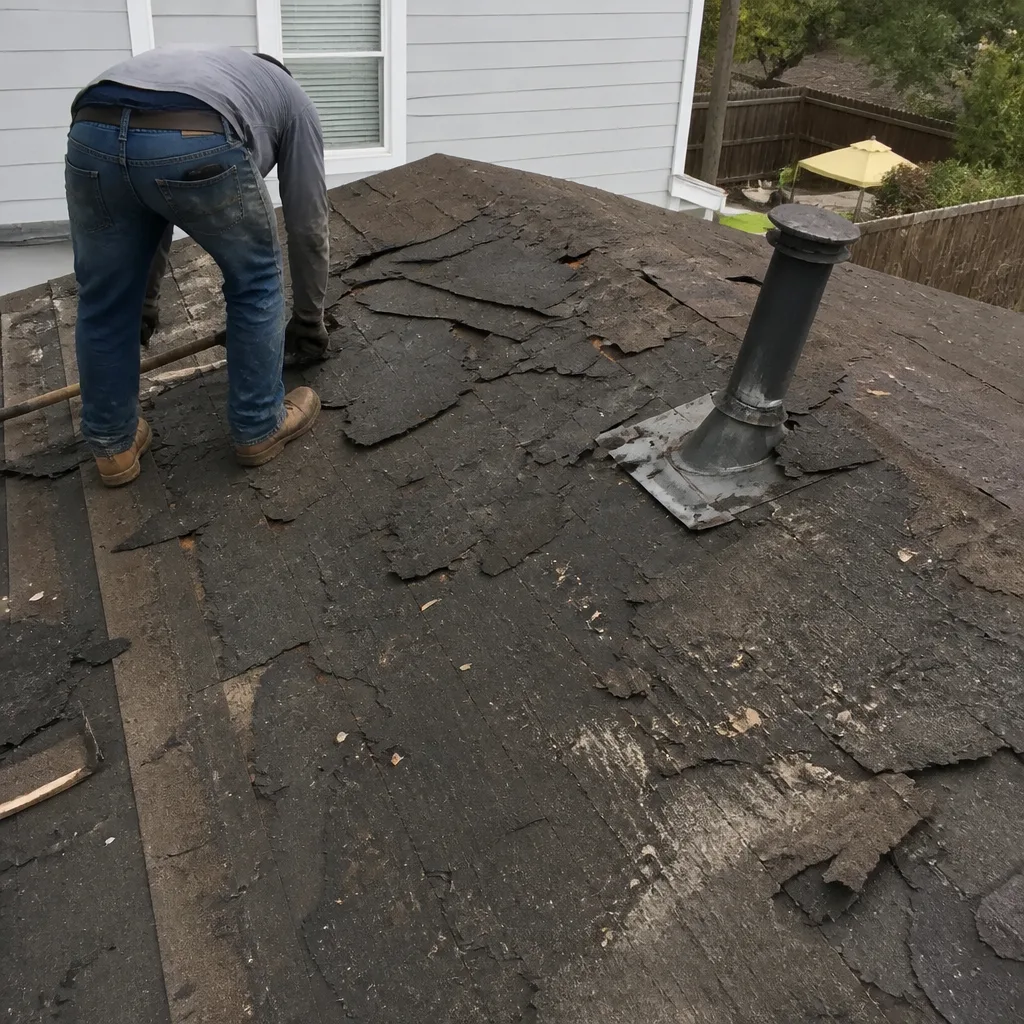 Before
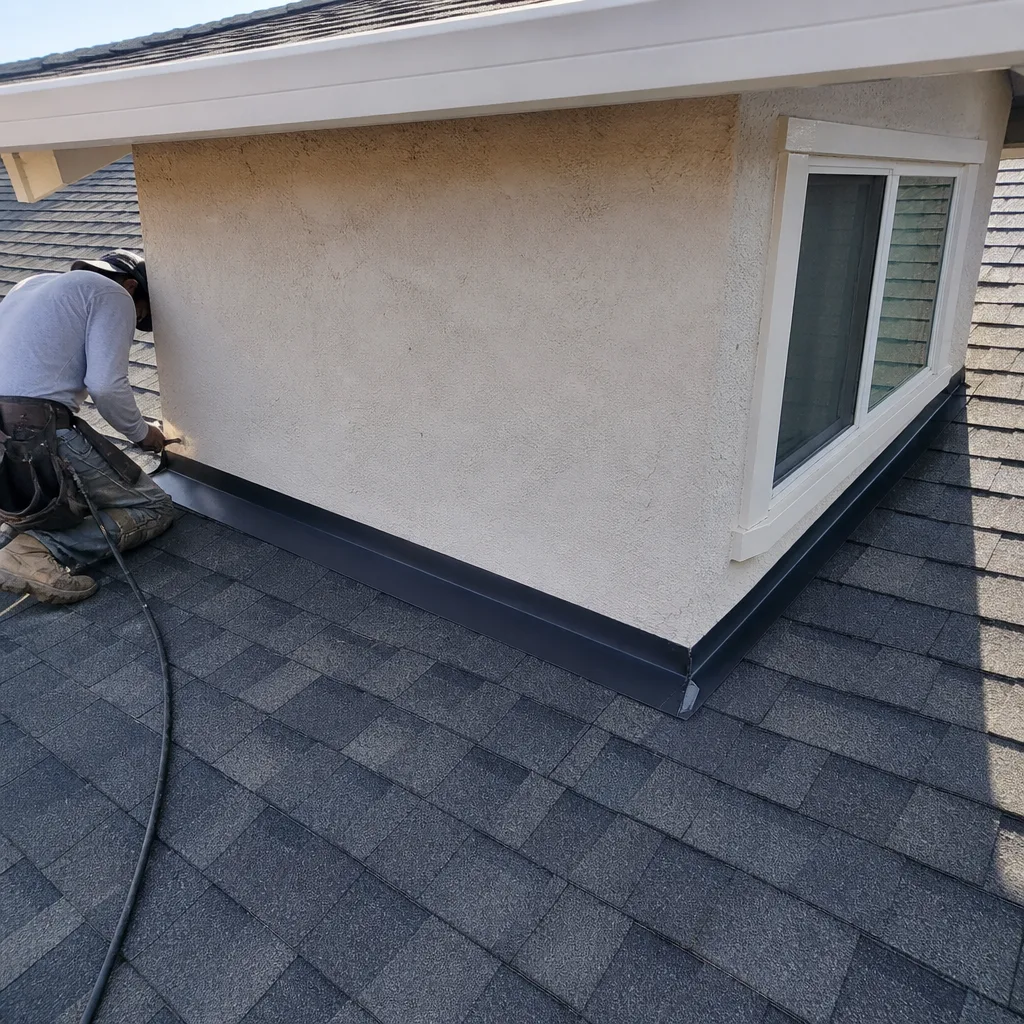 After
AfterReplacement Cost & What’s Included
Here’s what you’ll actually pay in Sacramento, based on the work we’ve quoted across neighborhoods from Land Park to Natomas.
- Single-wall step flashing replacement (one side of a dormer or chimney): $380 – $520
- Full chimney flashing replacement, including counter-flashing and reglet cut: $550 – $750
- Valley flashing replacement where two roof planes meet: $450 – $680
- Pipe boot / vent flashing replacement: $180 – $260
Every quote includes the flashing material, roofing cement and sealant matched to your Atlas system, removal and disposal of the old metal, and the labor to reset any shingles that were lifted during the process. The price you’re quoted is the price you pay – written, line-itemed, and in your hands before work starts. That’s the Kingswell Way, and it’s how we operate every job in Sacramento.
We carry Atlas-compatible flashing on the truck, and the work is covered by our written guarantee. If the repair fails inside the guarantee period, we return at no charge under the 365-Day Done Right Promise. No fine print, no re-quote, no “that’s a different issue” conversation. It’s in writing before the crew leaves your driveway.
DIY or Call Us?
Flashing replacement sits in a weird middle ground. It’s not as dangerous as working on steep slopes or handling electrical components, but it’s also not a caulk-and-go repair. The reason is simple: flashing only works when it’s properly integrated with the shingle course above it and the underlayment below it. A homeowner can caulk a gap at the top of the flashing and make the roof look sealed for about six months, then the caulk fails during the first hard rain of the next season and the leak returns – usually worse, because water has been tracking sideways under the shingles the whole time.
What you can safely check yourself: look for daylight at the wall junction from inside your attic, watch for rust on visible flashing, and clear debris from valley flashing when you’re doing gutter maintenance. What we’d suggest you not attempt: lifting shingles to slide new flashing underneath. Break one shingle seal and you’ve created a new leak. If the flashing is damaged, call us at (279) 348-3049. We’ll tell you the price before we touch your roof – every time, no exceptions.
FAQs
Atlas flashing on a properly installed Sacramento roof lasts 20 to 30 years when installed correctly. The biggest variable is the quality of the sealant joint where the flashing meets the vertical surface – that joint typically needs maintenance every 8 to 12 years, even if the metal itself is still solid.
Small sealant failures at the top of the flashing can often be repaired with new roofing cement and no metal replacement, but once the metal itself is rusted, bent, or pulled away from the wall, replacement is the only fix that lasts. We’ll tell you which one you need and why – no upselling, just straight assessment.
Most flashing replacements take between two and five hours, depending on the location and how many shingles we need to reset. You’re not dealing with a multi-day roofing project here; this is a same-visit repair in nearly every case.
We stock Atlas-compatible flashing profiles on our trucks, including the wider 5-inch base flange that Atlas GlassMaster systems call for on lower slopes. If you have an unusual detail – say, copper flashing on an older home near McKinley Park – we’ll identify the exact profile and have it sourced before we schedule the repair. For context, we also stock parts for GAF, Owens Corning, and CertainTeed systems, so the truck is rarely empty when it arrives.
If your flashing is failing, don’t wait for the next rain to confirm it. Call (279) 348-3049 for a free estimate. A live person answers, day or night – that’s not a call center, it’s us.
Written by Greg Holloway, Owner, Tilehurst Roofing Sacramento at Tilehurst Roofing Sacramento, serving Sacramento and nearby areas.