
 Tile roofing
 Architectural shingles
 Metal roofing
 GAF
GAF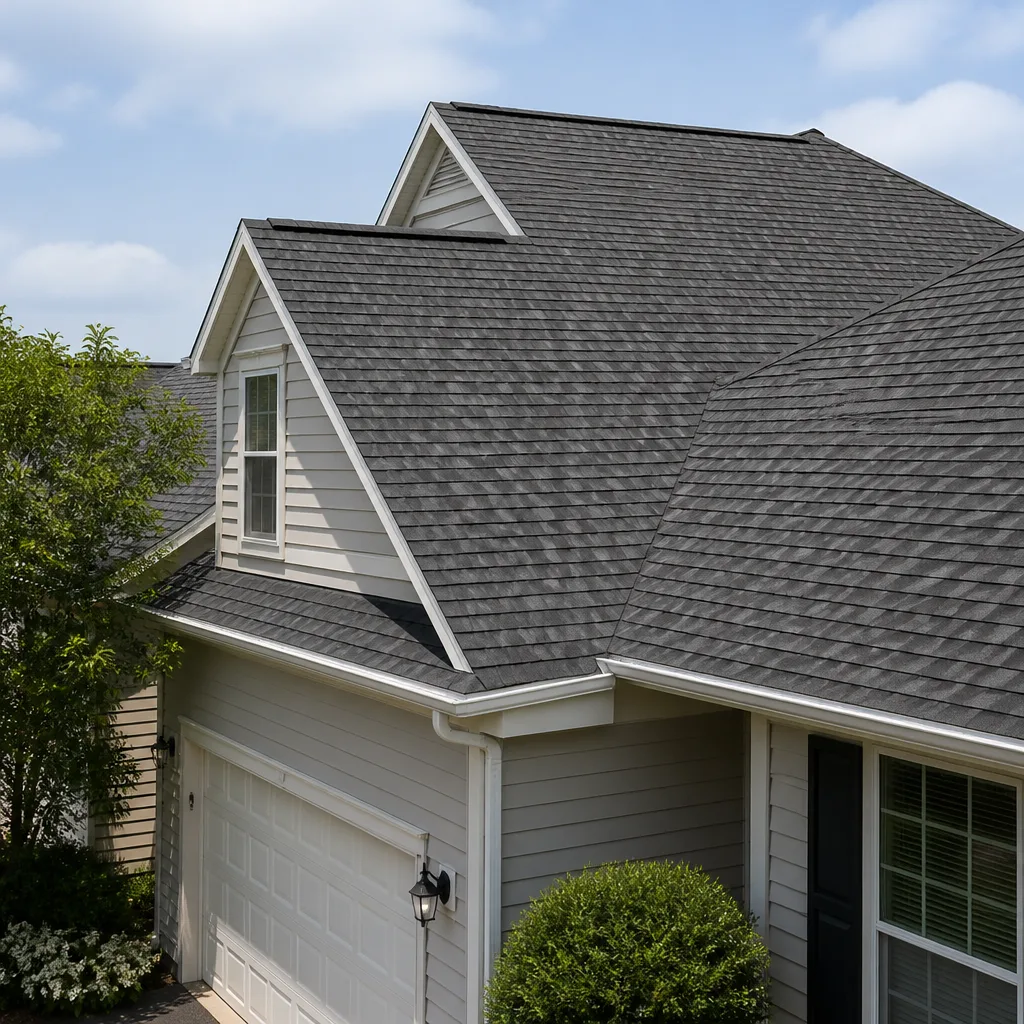 Owens Corning
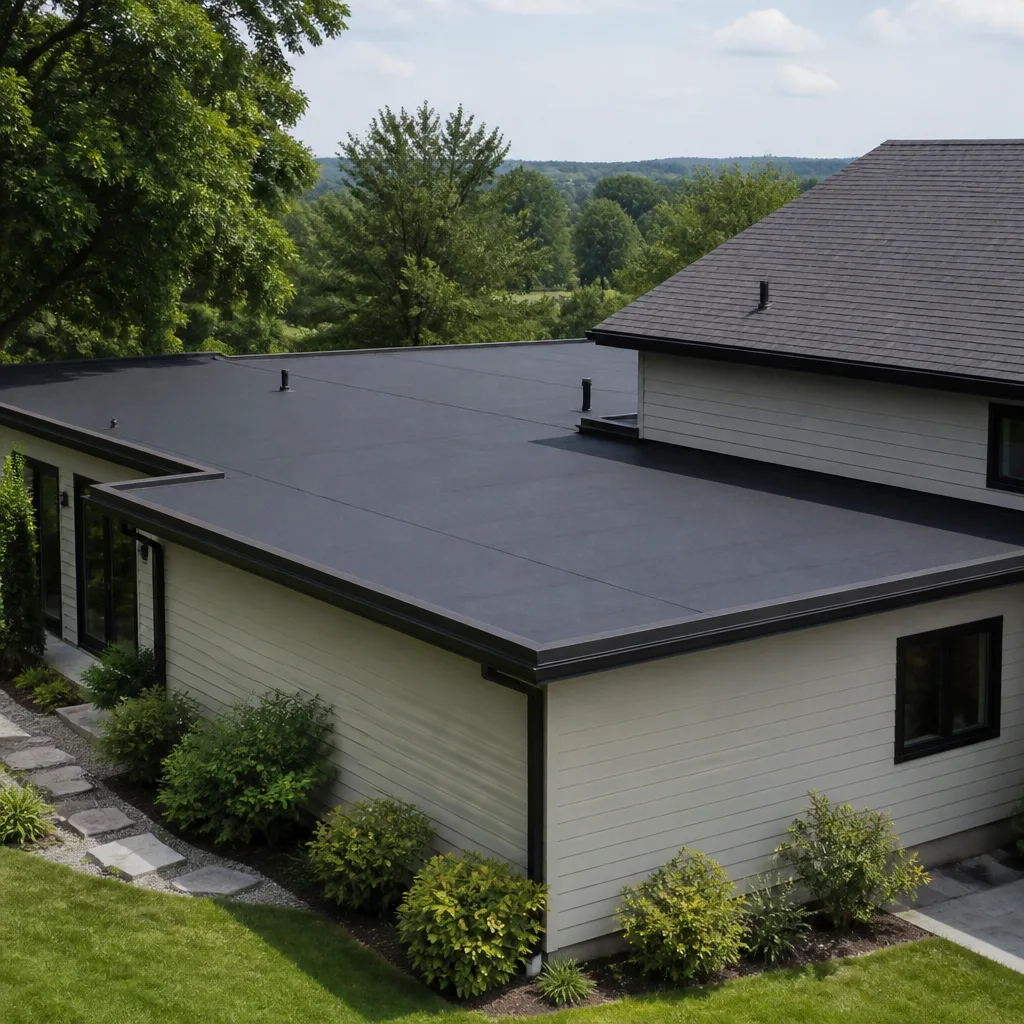 Flat & low-slope
Free roof inspection with deck photos before we talk money - GAF and Owens Corning certified installation
CertainTeed Flashing Replacement: The Sacramento Owner’s Guide
We replace CertainTeed roof flashing throughout Sacramento, and most flashing jobs run between $450 and $900 installed, depending on the flashing type, roof pitch, and how much surrounding shingle or tile work is involved. We keep common CertainTeed-compatible flashing profiles on the truck, so in most cases we can complete the swap the same day we diagnose it. Flashing rarely announces itself when it fails – you usually find out through a water stain on the ceiling, a drip during a February rain, or granules collecting in the gutter below a wall junction.
The good news is that CertainTeed flashing is a known quantity. Its dimensions, alloy types, and profile specs are published by the manufacturer, which means a roofing crew that stocks the right profiles and knows how CertainTeed products mate together can fix this correctly the first time. That’s what Greg Holloway and our Sacramento crews do every week, from East Sacramento to Land Park to the newer tracts off Elk Grove Boulevard.
Which CertainTeed Models This Applies To
CertainTeed doesn’t sell “one flashing” – it engineers flashing profiles to match specific shingle lines and roof junction types. The most common flashing components we replace on CertainTeed roofs in Sacramento include:
- Step flashing – the short L-shaped metal pieces woven between shingle courses where a roof meets a side wall. On CertainTeed Landmark and XT 25 shingle lines, standard step flashing is 5″x7″ or 6″x8″, in 26-gauge galvanized or aluminum. If a previous crew used 4″ pieces, water wicks over the back edge during heavy Sacramento downpours and you get wall staining behind the gutter line.
- Chimney and skylight saddle flashing – the angled “cricket” piece that diverts water around a chimney or skylight. CertainTeed integrates these with its roof deck protection membrane, and the chief gotcha we see is an aftermarket saddle that doesn’t extend the full 6 inches past the obstruction on the upslope side. Sacramento’s winter storms push water hard against these saddles, and a short saddle leaks within a season or two.
- Valley flashing – the W-shaped metal channel where two roof planes meet. CertainTeed’s specs call for a minimum 24-inch-wide valley liner with a 2-inch lap on the shingle overlap. Most failures in Sacramento come from 18-inch liners or a liner that was nailed too close to the valley center, which lets wind-driven rain creep under the shingle edge.
- Drip edge and rake edge – the metal strip that carries water off the roof edge and into the gutter rather than behind it. CertainTeed’s published installation instructions require drip edge along the eaves and rakes, and the most common Sacramento gap we find is rotted fascia directly behind a roof where drip edge was omitted to save $100.
Here’s the compatibility point that matters: CertainTeed’s warranty documentation references flashing installation as a requirement for the shingle warranty to remain valid. That’s not a scare tactic – it’s simply a fact buried in the fine print. A roof with incorrectly installed or absent flashing is a roof whose CertainTeed shingle warranty has a hole in it, literally and figuratively. When you replace flashing on a CertainTeed roof, the flashing type and install method need to match what CertainTeed publishes for your shingle line. Our crews work from those specs, not from whatever is in the back of the truck. We carry both OEM CertainTeed flashing profiles where applicable and quality aftermarket equivalents from Gibraltar and GAF-compatible lines that meet or exceed the same 26-gauge minimum. Tilehurst Roofing Sacramento is an independent service provider, not affiliated with CertainTeed, and we’ll tell you plainly which part is which and what tradeoffs exist before any work begins.
Styles & brands we work with
Signs Your CertainTeed Flashing Replacement Is Failing
Flashing doesn’t fail silently – it leaves evidence. Here are the five signals we see most often across Sacramento roofs, from the older craftsman streets near McKinley Park to the production homes in Natomas and Folsom:
- Water stains on the ceiling below a roof-to-wall junction. This is the classic step-flashing failure. Water runs down the wall line, hits the top edge of the flashing, and finds a nail hole or an unsealed lap. The stain often appears weeks after the rain, which makes owners think the roof is fine when it isn’t.
- Granules collecting in the gutter below a valley or wall junction. Shingle granules in the gutter are normal for a aging roof, but a concentrated pile below a valley or chimney says water is channeling there and eating the shingle from underneath. The flashing has lost its seal, and the shingle is now doing the flashing’s job – badly.
- Rust streaks or peeling paint on the fascia board behind the gutter. That’s drip-edge failure, plain and simple. Water is wrapping around the roof edge and soaking the fascia instead of dropping into the gutter. In Sacramento’s wet winters followed by 100-degree summers, a wet fascia rots fast and paint peels within a year.
- Daylight visible through the roof edge when you stand in the attic and look up at the eaves. If you can see light at the roofline, water can get in. This usually means the drip edge or rake edge was never installed, or it’s been pulled loose by wind. The attic is the one place we always tell owners to look first – it’s free to check and takes 30 seconds.
- A musty smell in the attic or a wet insulation patch near a skylight or chimney. Saddle flashing has separated from the roof deck membrane. The leak is slow and steady, and by the time you smell it, the decking under the flashing is already starting to soften. This is the one we catch on attic inspections that owners had no idea existed.
None of these symptoms get better on their own. Sacramento’s climate – wet winters, triple-digit summers, and the wind that comes off the Delta – cycles metal flashing through expansion and contraction every year. A flashing that’s loose today is a decking replacement in two years. We tell people: if you see any of the five signs above, don’t wait for the next storm.
See the difference
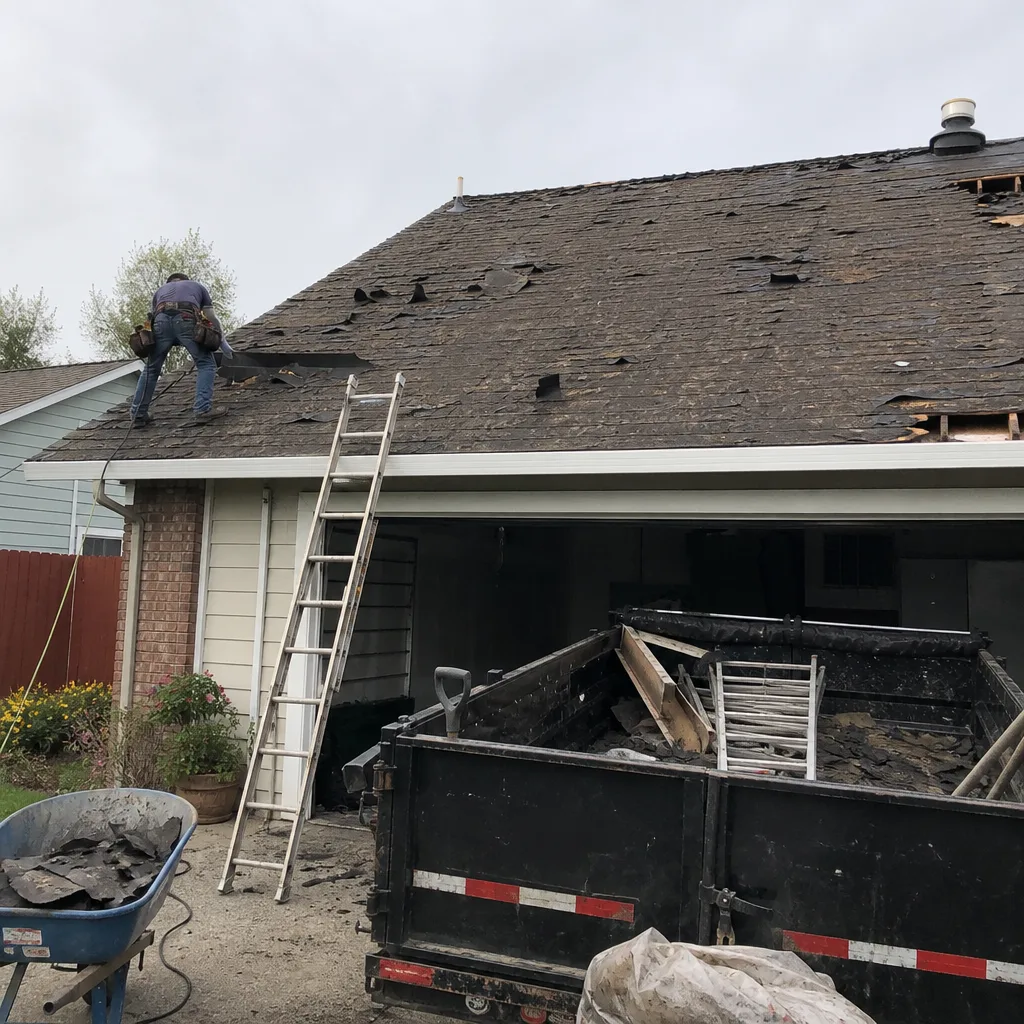 Before
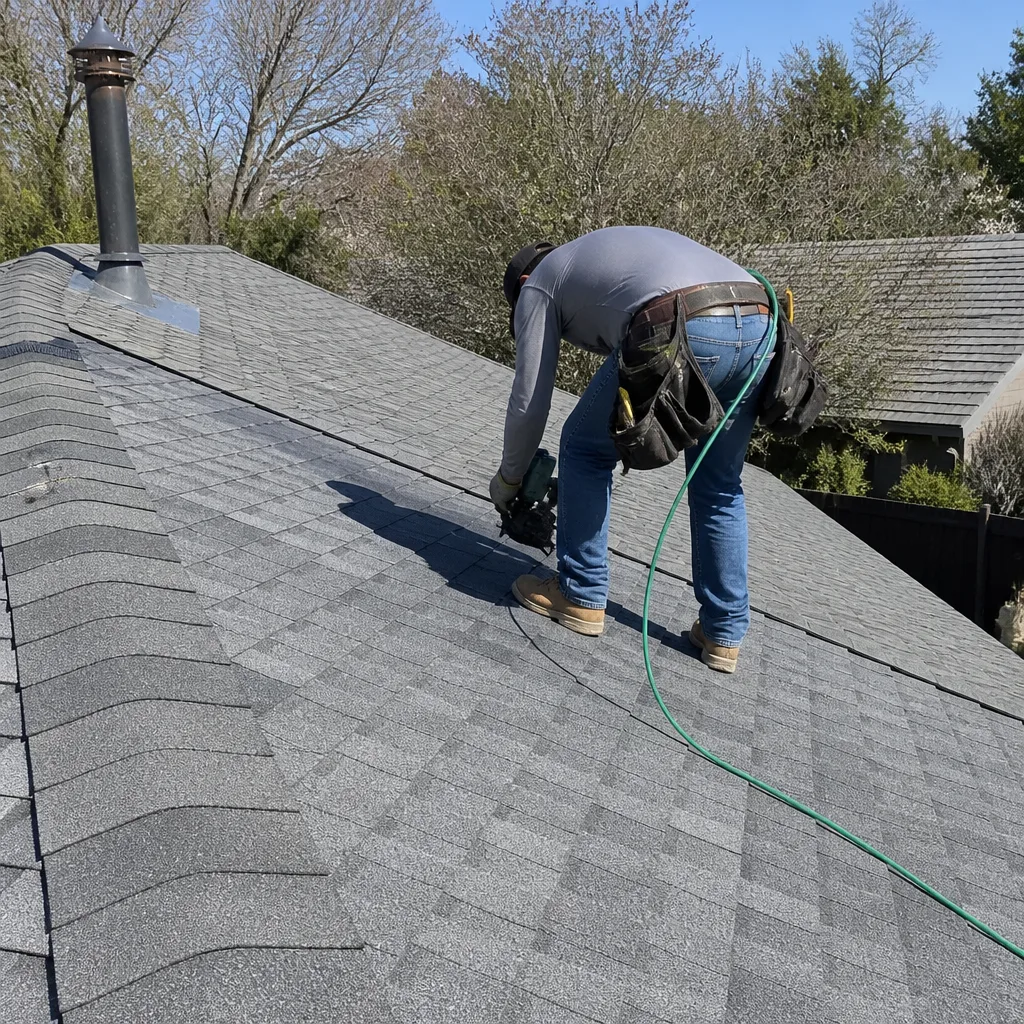 After
After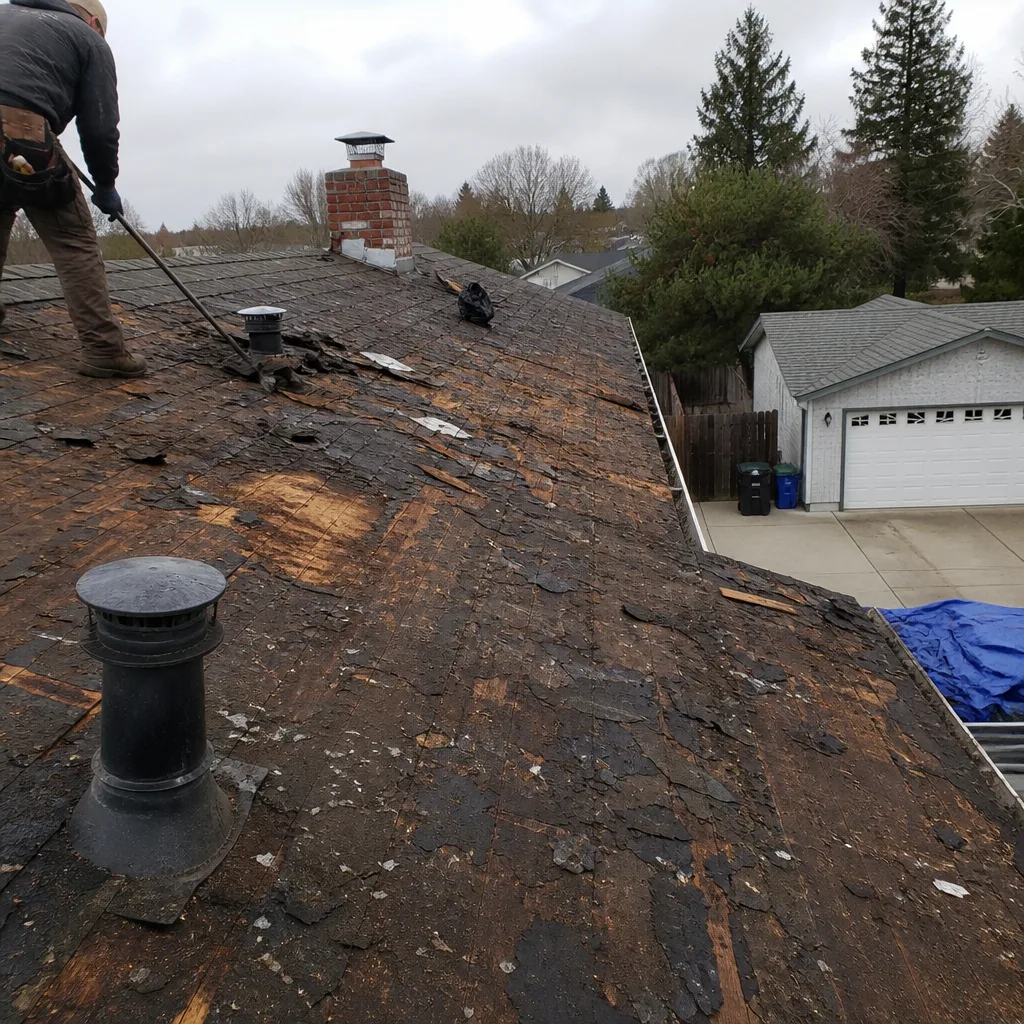 Before
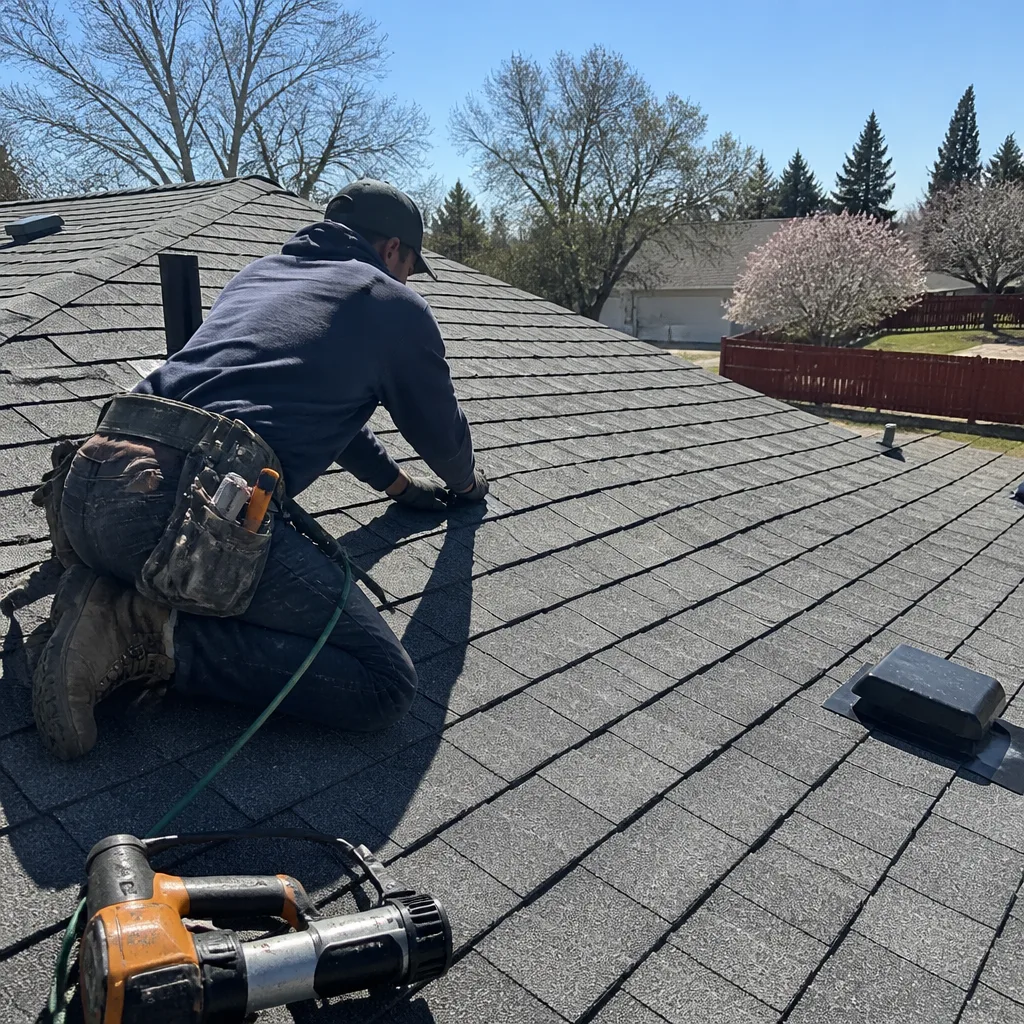 After
After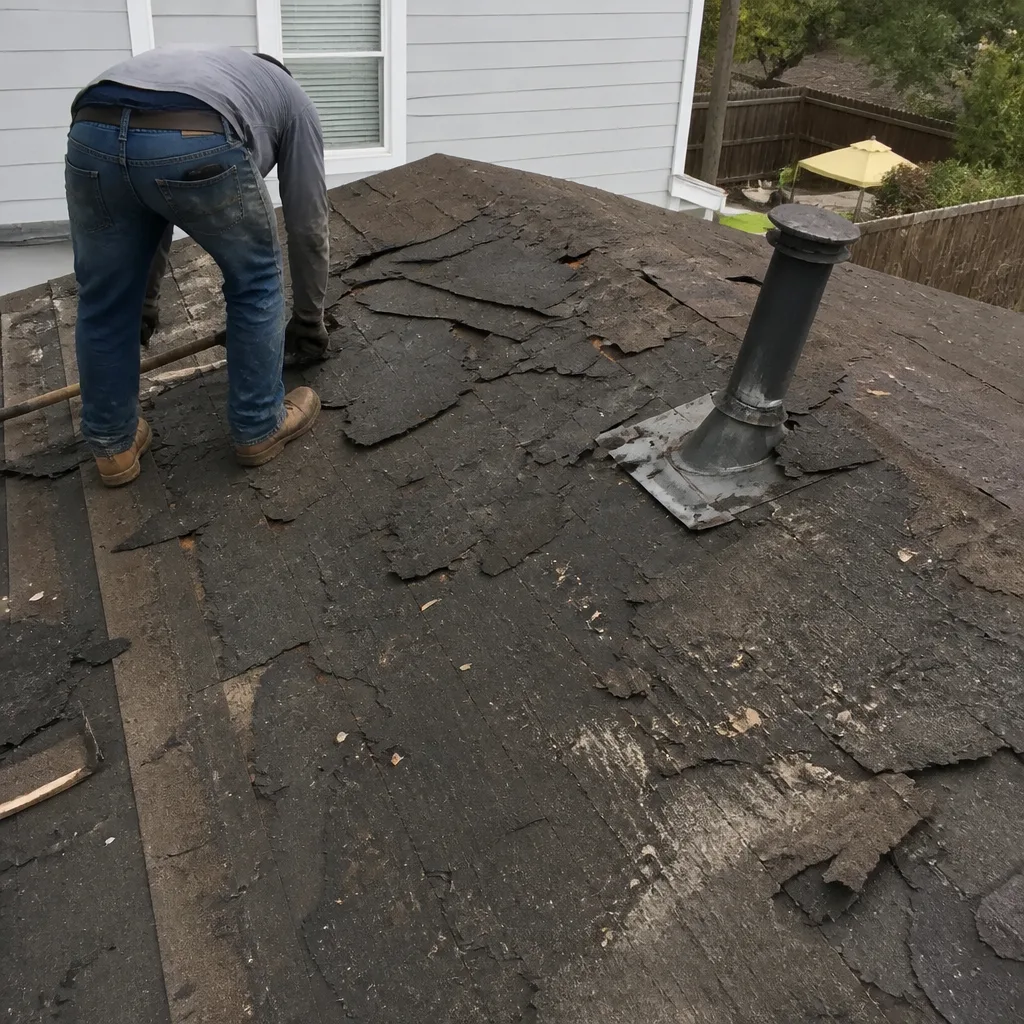 Before
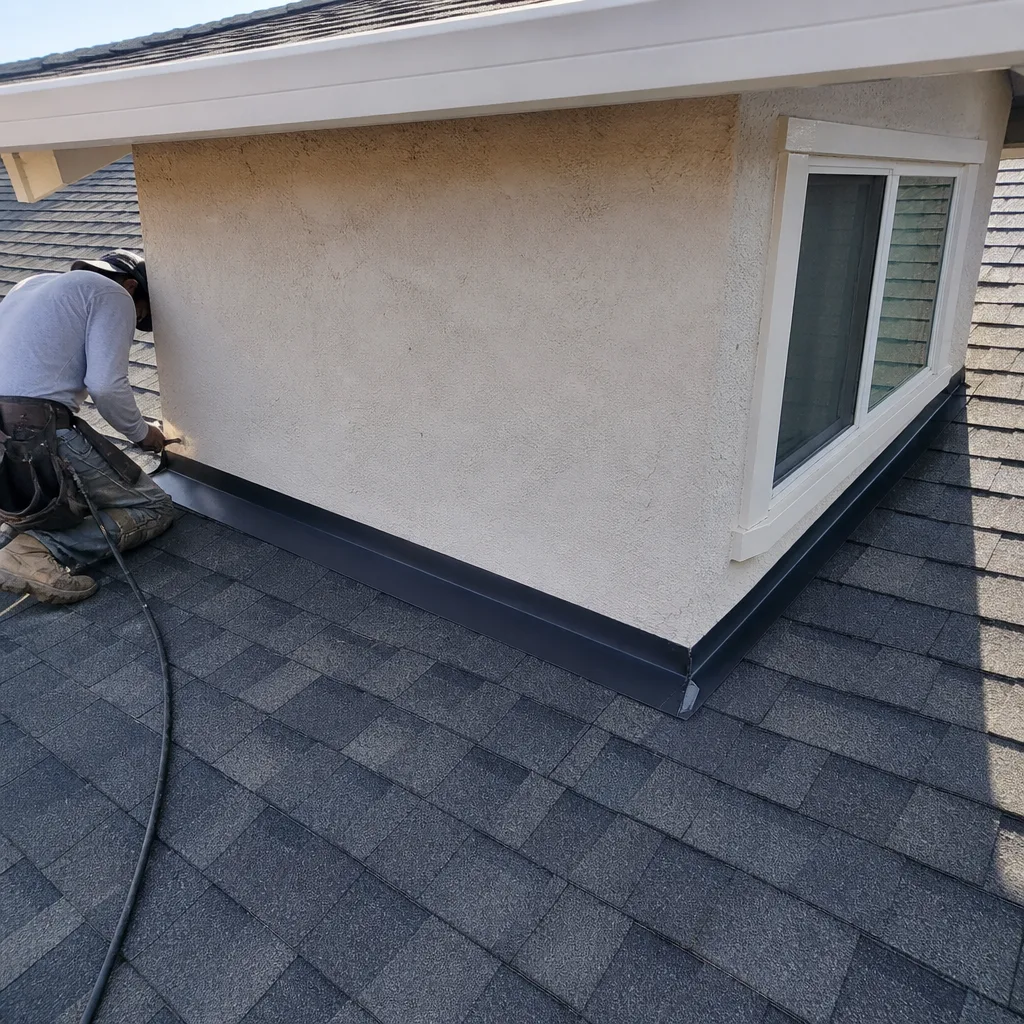 After
AfterReplacement Cost & What’s Included
Here are the installed price ranges we quote in Sacramento for common CertainTeed flashing replacements. These include parts, labor, fasteners, sealant, and the shingle or tile work needed to bed the new flashing correctly:
| Flashing Type | Typical Installed Range | What Usually Drives the Price |
|---|---|---|
| Step flashing (20 – 30 linear feet) | $450 – $700 | Roof pitch, two-story access, shingle removal around the junction |
| Chimney saddle & counter-flashing | $600 – $900 | Chimney height, brick condition, whether a cricket is needed |
| Valley flashing replacement | $500 – $800 | Valley length, whether existing shingles can be reused |
| Drip edge (full perimeter, average roof) | $550 – $850 | Roof size, gutter removal/reinstall, fascia repair if present |
What’s included in every flashing quote from us: a written line-item price before any work starts, the specific flashing profile and gauge we’ll use, the shingle or tile work needed to seat it, sealant and fasteners, and cleanup. We don’t do “estimate adjustments” after we start – the price Greg writes down is the price you pay unless we both agree in writing that additional decking repair is needed and why. Every flashing repair is covered by our written guarantee, and if the repair fails inside the guarantee period, we return and correct it at no charge under the 365-Day Done Right Promise. That’s not a premium add-on – it’s the floor.
DIY or Call Us?
We’ll be straight with you: flashing replacement on a roof is not a weekend DIY project. Working on a roof in Sacramento means working at height, often on a steep pitch, with a roof surface that can be slick with morning dew or algae. We don’t give out step-by-step flashing instructions because the risks – a fall from a two-story roof, a mis-sized flashing that leaks into the wall cavity, a nail driven through the wrong layer – are exactly the things that turn a $600 repair into a $4,000 one. If you’re reading this page because you want to understand the work before you hire someone, that’s smart and we’ll walk you through everything. If you’re reading it because you want to do it yourself from a ladder, we’d rather talk you out of it. The one thing any owner can safely do is inspect from the ground or from the attic: look at the roof edge for rust streaks, check the gutters for granule piles, and shine a light along the attic eaves for daylight. That’s the diagnostic part – the repair part needs a crew with the right flashing, the right ladder setup, and the right liability insurance. If you’ve spotted a problem, call us at (279) 348-3049 and we’ll come walk the roof with you before you spend a dollar.
FAQs
Properly installed CertainTeed-compatible flashing typically lasts 20 to 30 years in Sacramento’s climate, though step flashing and chimney saddles can fail sooner if the roof was installed in a hurry or if the flashing gauge is under 26. The roofing shingles themselves may wear out before the flashing fails, which is why we inspect flashing on every re-roof even when it looks fine from the ground.
In some cases yes – a small lifted corner can be resealed, or a single step flashing piece can be swapped – but the reality is that a failed flashing is usually a series of failures along the same run, and patching one link leaves the next link already compromised. Sacramento’s heat cycling means that a flashing that has lifted once will lift again. We always quote the honest scope: if two or three pieces are bad, we replace the affected run, not just the visible piece.
Most single-flashing replacements – step flashing along a wall, a chimney saddle, a valley – take one crew between half a day and one full day, including shingle or tile removal, flashing install, re-bedding, sealant, and cleanup. Drip edge around a full roof perimeter is typically a two-day job if gutters need to come off and go back on. Greg gives you the timeline in writing before the crew arrives.
We keep the most common CertainTeed-compatible flashing profiles on the truck – standard step flashing, valley liner, drip edge, and saddle stock – in 26-gauge galvanized and aluminum. Specialty profiles or unusual roof geometries we order the same week and schedule the install as soon as the material lands. We also carry flashing from GAF and Owens Corning-compatible lines, which gives us flexibility if a certain profile is backordered. Call (279) 348-3049 and we’ll tell you over the phone whether your flashing is something we have on the truck or need to order.
Written by Greg Holloway, Owner, Tilehurst Roofing Sacramento at Tilehurst Roofing Sacramento, serving Sacramento and nearby areas.